
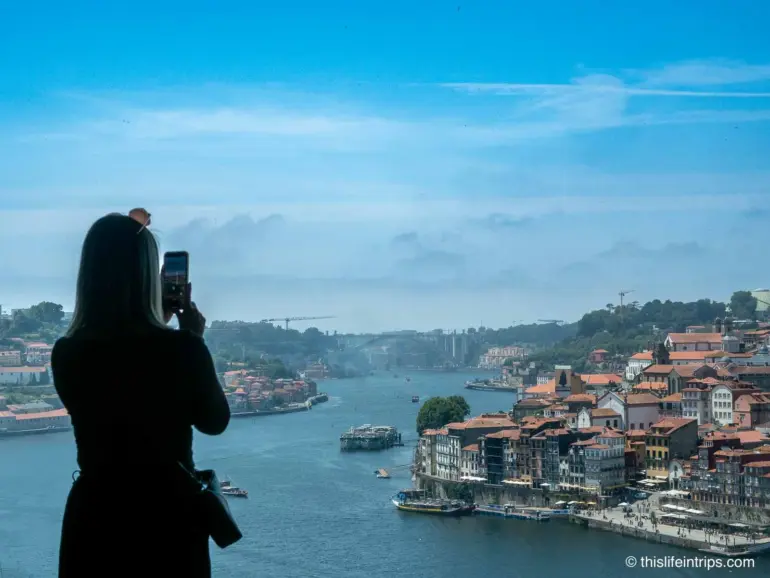
Travel has always been about collecting moments.
A breathtaking sunset, a hidden street discovered while walking through an unfamiliar city, a meal shared with locals, or a quiet landscape seen from a train window can become memories that last for years. Traditionally, travelers preserved these experiences through photographs, journals, and later, social media posts.
However, the way people share travel memories is changing.
Today, travelers are no longer only taking photos. They are creating stories. Short videos, visual diaries, and social media reels have become some of the most popular ways to share adventures with friends, family, and online communities.
The challenge is that creating engaging travel videos requires more than simply recording clips. Selecting the best photos, arranging a meaningful sequence, adding transitions, choosing music, and adapting content for different platforms can take significant time.
This is where artificial intelligence is beginning to change the creative process. AI-powered tools are making it easier for travelers, bloggers, and content creators to transform simple photos into more dynamic visual stories.
Why Travel Photos Are Becoming More Than Static Images
Photography has always played an important role in travel. A single image can capture a feeling, a location, or a personal experience that words cannot fully describe.
But modern audiences increasingly prefer interactive content. A short video can show the atmosphere of a destination—the movement of a busy market, the sound of ocean waves, the energy of a city street, or the changing colors of a mountain landscape.
For travel creators, this creates both an opportunity and a challenge.
Creating video content allows them to tell richer stories, but producing high-quality videos consistently requires time and technical skills. Many travelers have hundreds of photos stored on their phones but lack the editing experience needed to turn those images into engaging content.
AI photo video tools are helping bridge this gap by making video creation more accessible. Instead of starting with complex editing software, users can transform existing photos into videos with automated effects, transitions, and creative arrangements.
The result is a simpler way to preserve travel experiences while creating content that feels more alive.
Turning Travel Memories Into Visual Stories
A great travel story is not only about where someone went. It is about how that experience felt.
A collection of unrelated photos may show different locations, but a carefully created video can connect those moments into a journey.
For example, a traveler visiting Japan might combine images of quiet temples, local food markets, train journeys, and evening city scenes into a visual story that reflects the rhythm of the trip.

AI-powered creation tools can help organize these moments into a more engaging format. Pollo AI’s photo video maker allows users to transform photos into videos, making it easier to create travel highlights, personal memories, and social media content without requiring advanced editing skills.
For travel bloggers and creators, this can be especially useful. Instead of spending hours learning complicated editing techniques, they can focus more on the storytelling itself: choosing meaningful moments, explaining the experience, and connecting with their audience.
The technology does not replace creativity. It simply reduces the technical barriers between an idea and the final piece of content.
How Travel Creators Can Use AI More Effectively
Although AI makes content creation easier, the best results still come from thoughtful storytelling.
A common mistake is assuming that more images automatically create better videos. In reality, the most memorable travel content usually has a clear structure.
A simple travel video might follow a beginning, middle, and end:
The beginning introduces the destination and creates curiosity.
The middle highlights important experiences, local culture, food, or scenery.
The ending leaves viewers with a final impression or emotional connection.
This structure works because audiences are not only interested in locations. They want to understand the experience behind them.
Travel creators can also use AI tools to experiment with different storytelling styles. The same collection of photos could become a relaxing cinematic video, a fast-paced social media reel, or a practical destination guide depending on the intended audience.
This flexibility allows creators to adapt their content for different platforms without completely rebuilding their work.
Creating Consistent Visual Styles Across Travel Content
As more people share travel experiences online, maintaining a recognizable visual style has become increasingly important.
Professional travel creators often develop a consistent approach to colors, editing styles, captions, and storytelling formats. This helps audiences recognize their content and builds a stronger personal brand.
AI creative platforms are also expanding beyond video creation. Many now include image enhancement, style adjustments, and other visual editing features that help creators maintain consistency across different types of content.

Within Pollo AI’s broader creative ecosystem, travelers can also explore tools such as Picsart AI to experiment with different visual styles, enhance travel photos, and prepare images before turning them into shareable content. Combining different creative tools gives travelers greater flexibility while maintaining a consistent visual identity across blogs, social media posts, and digital travel journals.
For travel photographers and bloggers, this means spending less time on repetitive editing tasks and more time focusing on exploring new places and creating meaningful stories.
The Future of Travel Storytelling With AI
Travel content has always evolved alongside technology.
Early travelers recorded their journeys through written diaries. Photography later allowed people to capture visual memories. Smartphones made sharing instant. Now, artificial intelligence is creating another shift by helping people transform simple materials into richer experiences.
The future of travel storytelling will likely not be about replacing traditional photography or human creativity. Instead, AI will become another tool that helps travelers express their experiences in new ways.
A person does not need to be a professional filmmaker to create an engaging travel video. A collection of meaningful photos, a personal perspective, and the right creative tools can already be enough to tell a compelling story.
For travel bloggers, influencers, and everyday explorers, this means more opportunities to share their adventures with the world.
Platforms such as Pollo AI reflect how travel storytelling is evolving. Rather than replacing creativity, they help reduce technical barriers so creators can spend more time focusing on meaningful experiences and less time navigating complex editing workflows.
The most memorable travel content has always come from authentic experiences. AI simply provides new possibilities for turning those experiences into stories that others can see, understand, and enjoy.
What say you?
Thoughts on this AI Photo Video Maker?
Let’s hear it!






The point about having hundreds of photos but no editing experience matches how most trips end up. One practical tweak: before touching any automated tool, sort your photos into a rough chronological folder and delete duplicates and blurry shots first. The sequence matters more than effects, and AI transitions on weak or repeated images just amplify the mess. Ten minutes of culling makes the generated video noticeably more coherent and saves you from re-editing it later.
The point about travelers having hundreds of photos but no editing skills rings true; the bottleneck is usually sequencing, not shooting. One practical tweak: before touching any tool, sort your trip photos into three folders by time of day, then build the video in that order so the light stays consistent and the story reads chronologically. Also export a silent version first and add music last, which makes it easier to cut clips to the beat without re-rendering everything.