Most people plan their Kenya safari with morning and afternoon game drives, with lots of time in between. Even though you have chosen the best parks with the best animals, midday and evening are not given the same amount of attention they deserve.
Your itinerary in the Masai Mara and rest of Kenya’s safari areas does not have to be dictated by your vehicle’s keys. The main issue is working out what is within reach of your accommodation as opposed to you having to travel to a different location to find out about a great experience after you have booked it. That is the question best answered before you travel in the first place as it depends on the location of your accommodation and what is within reach of it.
Why Your Camp Shapes Every Experience
Your time outside of your vehicle starts at camp. Whether you are in or outside of a camp in a protected area, the wildlife does not disappear when you get out of your vehicle. You may even hear the hippos grunting in the river at night or see the elephants pass by your tents.
On its page about luxury safari camps, Governors’ Camp records its operators as the first to establish a permanent luxury safari camp within the Masai Mara National Reserve, along the banks of the Mara River. It’s also worth checking with camps before you book to see what activities are based at their location and can be done from there, such as walks, night drives and balloon rides.
Note that while many activities are offered elsewhere in the Mara, they may not be available from your tented camp. Rules for activities offered in the national reserve differ from those for the neighboring conservancies (whether privately or community managed) outside the reserve boundaries. Check where an activity is offered and how you will get there from your camp.
Ask for an itinerary which includes the departure and return times, not just a list of activities. An outing which involves a separate transfer for you takes a lot more out of your day than an outing that starts near by.
Get Out of the Vehicle
The slower encounters happen on foot or after dark. You’ll usually need to request them separately, so ask about availability rather than expecting your standard itinerary to include them.
Walking With a Guide and Tracking Animals
You look at the animal’s tracks, droppings, insects and plants rather than just looking past them hoping to see a bigger animal. Give your guide space to stop and tell you about a print rather than rushing on to complete the miles of the walk.
Walks depend on park or conservancy rules, so confirm permission before booking. The Kenya Wildlife Service rates list animal tracking at Nairobi National Park at USD 20 (United States dollars) for the African citizen and non-resident category. Non-resident rate: This rate is generally listed for visitors from abroad; check to see which rate applies to you.
Night Drives and Hands-On Conservation
Evening drives allow for the chance to see nocturnal animals such as hyenas, bushbabies and genets. Check with your accommodation to see if evening drives are permitted and where in the area your vehicle will be.
Kenya Wildlife Service includes a night game drive in Nairobi National Park (50)andwildlifeconservationandmanagementexperiences(200) for both the African citizen and non-resident in the above activities list for that park. Note that these activities and prices are for that park and are not a list of activities and costs for other national parks in Kenya.
Even for “conservation” projects, ask what you will actually be doing as part of your participation. Get a sense of your specific role, who will be supervising you, and what you will actually get to observe or do. The fact that it is called “conservation” does not mean you will actually get to do any of the interesting work.
Lakes, Balloons and Village Visits
A dawn balloon flight over the Mara changes your viewpoint from tracks and roadside sightings to grasslands, herds, and winding river courses. Book early, expect a pre-dawn pickup, and leave room in your morning schedule for the return journey.
Make sure to ask about the time of flight in relation to your game drive before booking both. Use the whole outing schedule as a useful booking detail e.g. collect from camp at xx time, return to camp in time for departure at yy time.
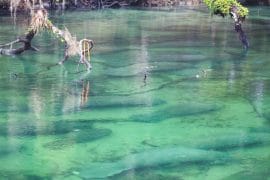
You can get time on the water with a boat trip on one of the Rift Valley lakes such as Naivasha – and see hippos and fish eagles. Kenya’s official tourism board lists a boat experience beneath Lake Nakuru’s cliffs and an immersive conservation experience in the Mt. Kenya and Central Rift region. Before deciding to add a lake stop between overnight bases check the meeting point location against your route.
You need to ask different questions of a Maasai village visit. Ask how your visit fee is going to benefit the community and what your hosts have agreed to show you during your stay. It’s also considerate to ask for the permission of your subjects before taking their photo, rather than assuming that your entry to their land automatically means you can take their picture. Give them space to talk rather than hurriedly setting up your camera.
Building a Safari Around More Than the Drive
The standard game drive is core to your safari but needn’t fill every available slot. Add a guided walk or two, a night drive or two, a water activity and a respected community visit and you have a much more varied and interesting itinerary without having to repeat view from seat time.
First choose your camp as this will influence which additional activities are near by and which will require transfers and possibly additional permissions. Plan your activities around the ones you want to experience most and leave enough time between each activity for return travel before the next pick up time starts.
What say you?
Thoughts on Kenya Safari Experiences?
Let’s hear it!