Travel has evolved in so many ways over the past decade. Quick weekend getaways and tightly packed itineraries still have their place, but many travelers are embracing a slower, more intentional approach to exploring new places. This is known as slow travel. It encourages people to spend more time in one location, immersing themselves in the local culture and enjoying authentic experiences rather than rushing from one attraction to the next.
Orlando is one city where this travel philosophy makes perfect sense. While it’s famous for its world-renowned theme parks, the city offers far more than roller coasters and resort hotels. Visitors who choose to stay for weeks or even months often discover vibrant neighborhoods, outdoor adventures, thriving food scenes, and cultural experiences that short-term tourists miss out on.
What Is Slow Travel?
Slow travel focuses on quality over quantity. Instead of trying to visit multiple cities on a single trip, you can dedicate more time to a single destination. This allows you to build routines, connect with local communities, immerse yourself in Orlando’s culture, and experience everyday life rather than simply checking landmarks off a list.
The concept has become increasingly popular for:
- Remote workers
- Digital nomads
- Retirees
- Students
- Families taking extended vacations
Rather than asking, “What can I see in three days?” slow travelers ask, “How can I experience this place like someone who lives here?”
Orlando Has More to Offer Than Theme Parks
Most first-time visitors associate Orlando with famous attractions. While those attractions certainly deserve their popularity, they only represent one side of the city. Longer stays reveal a completely different Orlando.
Slow travelers often discover hidden gems, like:
- Scenic parks filled with walking trails and lakes
- Independent coffee shops tucked into local neighborhoods
- Weekend farmers’ markets
- Community festivals
- Local art or book clubs with like-minded people
- Countless restaurants representing cuisines from around the world
Neighborhoods such as Winter Park, College Park, Baldwin Park, and the Milk District offer their own unique character. Exploring these areas gives you a deeper understanding of the city’s personality beyond its tourism industry.
Instead of spending every day standing in line for rides, slow travelers have time to enjoy a peaceful morning at a local café, attend community events, meander around a bookstore, or simply relax in one of Orlando’s many green spaces.
Longer Stays Create Richer Experiences
One of the biggest benefits of slow travel is the opportunity to develop familiarity with a destination. After several weeks, visitors begin to recognize favorite restaurants, learn shortcuts through the city, find the best cafes for an iced latte or bagel, and discover hidden gems through conversations with residents.
Many travelers find that their most memorable experiences happen unexpectedly rather than through carefully planned itineraries. A recommendation from a barista, an afternoon spent browsing a local bookstore, taking a walk around a nearby park, or an evening at a neighborhood food market often becomes far more memorable than another crowded tourist attraction.
Spending additional time also reduces travel stress. There’s no pressure to squeeze every attraction into a few days because there’s always tomorrow.
Slow Travel Can Also Save Money
Contrary to what many people assume, staying longer doesn’t always mean spending more.
Frequent transportation costs decrease when travelers settle into one location. Daily restaurant visits often become less necessary when accommodations include kitchen facilities. Weekly grocery shopping can significantly reduce food expenses while allowing visitors to experience local supermarkets and specialty markets.
Accommodation costs may also become more manageable when choosing longer-term housing instead of nightly hotel bookings.
For travelers planning an extended stay, finding affordable accommodations becomes an important part of the overall experience. Platforms like spareroom.com can help people explore long-term room rental options that provide a practical alternative to traditional hotels while making it easier to settle into everyday life in Orlando.
Living Like a Local Changes Your Perspective
One of the defining characteristics of slow travel is participating in everyday routines.
Instead of constantly sightseeing, travelers begin living alongside residents. They shop at neighborhood grocery stores, use public transportation, exercise in local parks, and support independently owned businesses.
This shift often leads to a greater appreciation of the destination.
Rather than viewing Orlando solely as an entertainment hub, visitors begin seeing it as a thriving city with diverse communities, growing business districts, excellent dining, and beautiful natural surroundings.
Many travelers say these ordinary experiences become the highlights of their trip because they create genuine connections that can’t be replicated through traditional tourism.
Orlando Is Ideal for Remote Workers
The rise of remote work has transformed travel patterns across the world.
Professionals no longer need to limit vacations to a single week each year. Many now combine work and travel by temporarily relocating to destinations that offer reliable infrastructure, pleasant weather, and plenty to do outside working hours.
Orlando checks many of these boxes.
The city offers numerous coworking spaces, dependable internet access, comfortable cafés for remote work, and a wide variety of recreational activities after business hours.
Whether someone finishes work with a walk around Lake Eola Park or spends weekends exploring nearby natural springs, Orlando provides an appealing balance between productivity and leisure.
Discovering Central Florida Beyond Orlando
Slow travel also opens the door to exploring nearby destinations without constantly changing accommodations.
Instead of packing and unpacking every few days, travelers can use Orlando as a comfortable base for day trips throughout Central Florida.
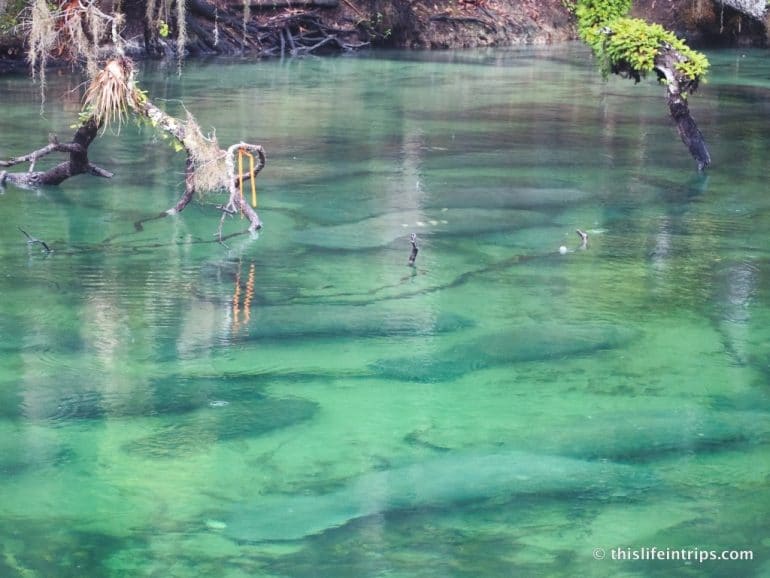
Within a relatively short drive, visitors can reach beautiful Atlantic beaches, freshwater springs perfect for kayaking, charming small towns, wildlife preserves, and state parks filled with hiking opportunities.
Because there’s no rush, each excursion can be enjoyed at a relaxed pace before returning to a familiar home base in the evening.
This flexibility creates a much more enjoyable travel experience than constantly relocating between hotels.
Building Meaningful Memories
Many travelers eventually realize that memorable trips aren’t defined by how many attractions they visit.
Instead, memories often come from conversations with local residents, discovering favorite restaurants, watching sunsets from neighborhood parks, or developing routines that make a destination feel temporarily like home.
Slow travel encourages mindfulness by allowing people to appreciate these everyday moments.
Without constantly racing between attractions, travelers become more observant, more relaxed, and often more grateful for the opportunity to experience another community from the inside rather than simply passing through.
These authentic experiences frequently remain vivid long after the vacation ends.
The Future of Travel May Be Slower
As more people prioritize flexibility, work-life balance, and authentic experiences, slow travel continues gaining momentum around the world.
Orlando is especially well-positioned for this trend because it offers far more than its famous attractions. Its welcoming neighborhoods, diverse dining scene, outdoor recreation, and year-round sunshine make it an ideal destination for travelers seeking a deeper connection with the places they visit.
Choosing to stay longer allows visitors to experience Orlando beyond the postcards and promotional brochures. Instead of simply seeing the city, they become part of its rhythm for a little while.
That shift (from tourist to temporary local) is what makes slow travel such a rewarding way to experience Orlando.
What say you?
Thoughts on these Orlando Experiences?
Let’s hear it!