Spanning roughly 1,330 kilometres, Route 1 circles the entire island of Iceland, offering a front-row seat to active volcanoes, cascading waterfalls, and vast glaciers. While guided excursions provide a structured overview of the landscape, taking the wheel allows travellers to dictate their own pace and linger at lesser-known viewpoints long after the tour buses have departed.
A self-guided itinerary turns a standard holiday into a customizable expedition, opening up rugged coastlines and remote highland passes that remain entirely inaccessible by public transport. Exploring the country independently removes the pressure of rigid schedules. Instead of rushing to meet group departure times, visitors can spend hours watching icebergs drift across glacial lagoons or hunting for the perfect photograph under the midnight sun.
Securing the Right Vehicle for the Route
Before plotting specific photo stops or hiking trails, choosing the appropriate transportation is the foundation of a successful trip. Most international flights land at Keflavik Airport, making the capital region the most practical starting point for picking up a vehicle. The choice of car dictates exactly where visitors can safely travel; a standard two-wheel-drive compact model works well for paved summer routes along the Golden Circle or the accessible southern coast. Matching the vehicle to the intended itinerary prevents avoidable delays and the need for expensive roadside assistance.
Venturing onto the interior mountain F-roads requires a high-clearance 4×4, as these unpaved gravel tracks often involve river crossings and steep inclines. Securing a reliable vehicle from a local provider ensures travellers have the correct equipment for these demanding environmental conditions.
Those familiarising themselves with local traffic rules will find that preparing for the daily realities of driving in Iceland keeps the journey safe and manageable. Understanding single-lane bridges, blind hills, and shifting weather patterns is vital before leaving the city limits. Local rental offices provide essential advice on handling these specific road features, drawing from years of experience operating in sub-Arctic conditions.
Discovering Destinations Beyond the Crowds
The southern coast draws heavy traffic, yet the northern and eastern regions offer expansive geological scenery with a fraction of the footfall. The Trollaskagi Peninsula in the north features basalt mountains rising straight from the Arctic Ocean, alongside historic fishing villages like Siglufjordur. Taking the time to explore these northern coastal routes reveals a quieter daily rhythm, where small cafes serve freshly caught seafood to those passing through.
Driving through the East Fjords reveals a distinct type of isolation. Here, winding coastal roads pass free-roaming reindeer herds and steep, jagged cliffs that plunge directly into the sea. Further west, navigating the steep drops and dirt tracks of the Westfjords rewards visitors with uninterrupted views of the Dynjandi waterfall and the red sands of Raudasandur beach. Having personal transport means travellers can stop at these remote lookout points whenever the light suits their photography, bypassing the constraints of an inflexible group tour itinerary.
Weather Variations and Safe Travel Habits
Icelandic conditions shift rapidly, often presenting sunshine, dense fog, and biting sleet within a single afternoon. Coastal winds can reach gale force without much warning, forcing drivers to remain alert when opening car doors on exposed plains. Strong gusts have been known to bend car doors backward, making wind awareness a crucial part of daily travel preparation. Parking facing into the wind serves as a simple, effective preventative measure.
Consulting the local meteorological office website daily is a necessity rather than a suggestion. Travellers must review road closure forecasts before setting out, as routes can shut down entirely due to sandstorms or sudden snowdrifts. Packing emergency supplies, including thermal layers, food rations, and extra water, ensures comfort if a sudden weather front temporarily delays travel.
Gravel roads, which make up a significant portion of the rural network, demand reduced speeds to prevent loose stones from damaging the vehicle undercarriage or cracking the windscreen. Drivers must consistently slow down when approaching oncoming traffic on unpaved surfaces to minimize the risk of flying debris.
Timing the Journey for Optimal Conditions
The time of year dictates the entire nature of the road trip. Summer months bring the midnight sun, providing nearly twenty-four hours of daylight. This extended visibility allows travellers to visit attractions like the Skogafoss waterfall or the tectonic rifts of Thingvellir National Park late at night, bypassing the daytime crowds. The warmer season also clears the snow blocking the highland mountain passes, granting access to the multi-coloured rhyolite mountains of Landmannalaugar.
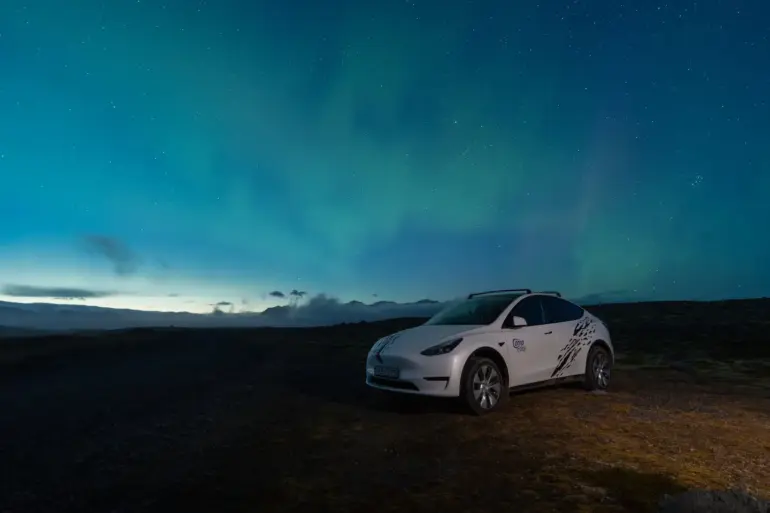
Winter travel covers the landscape in snow and ice, creating dark, clear night skies ideal for spotting the Northern Lights. Shorter daylight hours mean daily driving distances must be reduced to avoid navigating unfamiliar, icy routes in complete darkness. Packed snow and ice make studded winter tires non-negotiable, and visitors must remain flexible with their itineraries to accommodate sudden blizzards.
Delays are a natural part of winter exploration, requiring buffer days in the schedule to account for potential road closures. Regardless of the season chosen for the trip, treating the raw environment with respect guarantees a safe and fulfilling adventure.
What say you?
Thoughts on an Iceland Self-Drive Adventure?
Let’s hear it!