Collaborative post: This article contains general road safety information and discusses legal options following a commercial truck accident.
There’s something special about exploring Texas by car. From the bustling streets of Austin and Houston to the wide-open highways of West Texas, the Lone Star State is made for road trips. Whether you’re heading to Big Bend National Park, discovering small-town barbecue joints, or driving between major cities, getting behind the wheel is one of the best ways to experience Texas.
However, a successful road trip involves more than planning your route and choosing where to stop. Texas road trip safety is just as important, especially when sharing busy highways with large commercial trucks.
Long stretches of interstate, changing weather conditions, heavy freight traffic, and unfamiliar roads can create challenges for visitors. While most journeys go smoothly, knowing how to drive safely around commercial vehicles and what to do if an accident occurs can make a big difference.
This guide covers essential Texas driving tips, common truck accident risks, ways to protect yourself on the road, and what travellers should know about their rights if a collision disrupts their trip.
Why Texas Road Trip Safety Should Be Part of Your Travel Plans
Texas is a fantastic destination for a driving holiday, but its size can catch first-time visitors off guard.
A journey between Dallas and Austin takes several hours, while travelling from Houston to Big Bend National Park can take the better part of a day. Add sightseeing stops, traffic, and unpredictable weather, and even a straightforward journey can become tiring.
Texas highways also carry substantial commercial traffic. Trucks transport everything from agricultural products and construction materials to consumer goods, making them a familiar sight along major routes such as Interstate 10, Interstate 35, and Interstate 45.
According to the Federal Motor Carrier Safety Administration (FMCSA), large trucks can weigh 20 to 30 times more than passenger vehicles, with a fully loaded tractor-trailer weighing up to 80,000 pounds.
That difference in size and weight means truck drivers need more room to brake, turn, and change lanes. For travellers unfamiliar with Texas highways, understanding these limitations is an important part of staying safe.
Fortunately, a few practical precautions can reduce your risk of an accident without taking the fun out of your adventure.
Popular Texas Road Trip Routes and Their Driving Challenges
One of the best things about travelling through Texas is the variety of landscapes and destinations. However, different routes present different driving conditions.
Austin to San Antonio: A Classic Texas Road Trip
The drive between Austin and San Antonio is popular with visitors exploring central Texas.
Along the way, travellers can discover charming towns, local restaurants, and attractions throughout the Texas Hill Country.
However, Interstate 35 is also a major commercial transportation corridor. Traffic congestion, construction zones, and frequent lane changes can make driving stressful, particularly around urban areas.
Allow extra travel time and avoid squeezing between large trucks when traffic slows.
Houston to Dallas: Busy Highways and Commercial Traffic
Interstate 45 connects two of Texas’s largest cities, making it a convenient route for travellers visiting multiple destinations.
The drive features long highway sections, busy interchanges, and plenty of commercial vehicles.
One of the biggest challenges is maintaining concentration during extended periods of driving. Plan regular breaks, avoid distractions, and keep a safe following distance.
West Texas and Big Bend National Park
For travellers seeking spectacular scenery, a West Texas road trip offers desert landscapes, mountain views, and wide-open spaces.
Driving toward Big Bend National Park can be an unforgettable experience, but remote highways require additional preparation.
Fuel stations and services may be far apart, mobile reception can be unreliable, and wildlife may appear on roads, particularly around dawn and dusk.
Before leaving, check your fuel level, download offline maps, carry drinking water, and make sure someone knows your planned route.
How to Drive Safely Around Large Trucks in Texas
Sharing the road with commercial trucks doesn’t need to be intimidating. The key is understanding how these vehicles operate differently from ordinary passenger cars.
1. Avoid Truck Blind Spots
Commercial trucks have substantial blind spots along their sides, directly behind the trailer, and immediately in front of the cab.
A useful rule is that if you can’t see the truck driver in their side mirror, there’s a good chance they can’t see you.
Avoid travelling alongside a truck for extended periods, particularly when approaching highway exits or merging lanes.
When passing, do so confidently at a safe, legal speed rather than lingering beside the trailer.
2. Leave Extra Stopping Distance
One of the most important Texas highway driving tips is to give commercial trucks plenty of room.
The FMCSA explains that large trucks travelling at highway speeds can require the length of up to two football fields to stop safely.
Cutting closely in front of a truck may leave the driver without enough space to react if traffic suddenly slows.
When merging, wait until you can clearly see the truck in your rearview mirror before moving into its lane.
3. Be Careful Around Wide Turns
Large trucks often need extra space when turning, especially at intersections and highway access roads.
A truck preparing to turn right may initially move left to create enough room for its trailer.
Never attempt to squeeze between a turning truck and the curb. Even if the gap looks large enough for your vehicle, the trailer may swing into that space.
4. Watch for Changing Weather Conditions
Texas weather can change quickly, particularly during thunderstorms and periods of heavy rainfall.
Wet roads reduce traction and increase stopping distances for all vehicles. High winds can also affect vehicle stability, especially for trucks carrying tall or heavy loads.
If visibility deteriorates, reduce your speed and increase the distance between your vehicle and surrounding traffic.
When conditions become unsafe, find a suitable place to stop until the weather improves.
5. Take Regular Breaks on Long Drives
Long-distance driving can be surprisingly exhausting, especially when you’re trying to fit several destinations into a short holiday.
Fatigue affects concentration, judgment, and reaction time.
The Texas Department of Transportation recommends stopping approximately every two hours to stretch your legs and rest.
Rather than treating breaks as wasted time, make them part of the road trip experience. Stop at a local café, explore a small town, or enjoy a scenic viewpoint.
You’ll arrive feeling more refreshed, and the journey itself becomes part of the adventure.
Common Causes of Truck Accidents on Texas Highways
Even with careful driving, accidents can happen. Understanding some of the most common contributing factors can help travellers recognize potentially dangerous situations.
Driver fatigue: Commercial truck drivers often spend long periods behind the wheel. Federal regulations establish driving and rest requirements for many commercial drivers, but fatigue can still become a concern when schedules are demanding or rest is inadequate.
Distracted driving: Looking at navigation equipment, using a phone, or adjusting controls can take attention away from traffic. Even a momentary distraction can have serious consequences at highway speeds.
Unsafe lane changes: Trucks require additional space to change lanes safely. Failing to check blind spots or misjudging the position of nearby vehicles can contribute to side-impact collisions.
Improperly secured cargo: Freight that shifts during transportation can affect a truck’s balance and handling. In some circumstances, this can contribute to rollovers or loss-of-control accidents.
Poor vehicle maintenance: Worn tyres, faulty brakes, and defective lighting can create additional risks. Commercial vehicles are subject to inspection and maintenance requirements intended to reduce these problems.
Speeding and unsuitable driving conditions: Driving too quickly for traffic, weather, or road conditions reduces the time available to react to unexpected hazards.
While these factors don’t explain every collision, they highlight why awareness and defensive driving are so important on a Texas road trip.
Types of Truck Accidents Travellers Should Know About
Not all commercial truck accidents happen in the same way. Certain collisions present particular risks for smaller passenger vehicles.
Jackknife Accidents
A jackknife accident occurs when a truck’s trailer swings outward at an angle to the tractor.
This can happen when a truck loses traction or control, potentially blocking multiple traffic lanes.
Travellers should maintain a generous following distance, particularly in wet conditions or heavy traffic.
Truck Rollovers
Rollovers occur when a truck tips onto its side.
Sharp turns, excessive speed for the conditions, uneven loading, or shifting cargo may contribute to these accidents.
Avoid driving directly beside large trucks for long periods, particularly on curves and highway ramps.
Rear-End Collisions
Because commercial trucks require more stopping distance than passenger cars, sudden traffic changes can create dangerous situations.
Never cut sharply in front of a truck or brake unnecessarily after merging.
Sideswipe Accidents
Sideswipe collisions may occur when a truck changes lanes without sufficient clearance.
Pay attention to turn signals and avoid remaining in blind spots. If a truck begins moving into your lane, prioritize creating a safe escape route rather than competing for space.
What to Do If You’re Involved in a Truck Accident During a Texas Road Trip
Nobody plans to experience an accident while travelling. Unfortunately, a collision can turn a relaxing holiday into a stressful situation involving medical appointments, insurance claims, and unexpected expenses.
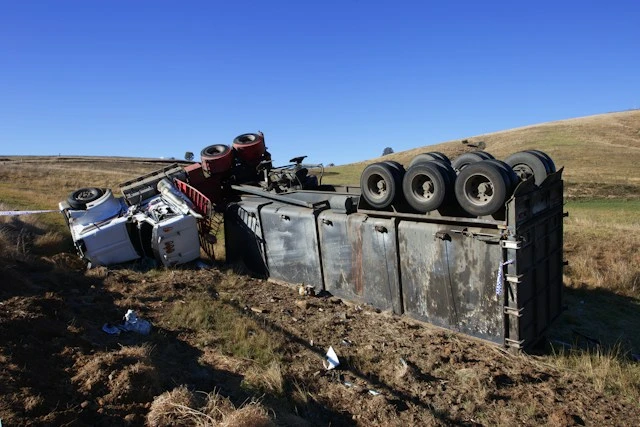
If you’re involved in a commercial truck accident in Texas, knowing what to do next can help protect your safety and your interests.
Prioritize Safety and Seek Medical Attention
Your first priority should always be the wellbeing of everyone involved.
Call 911 if anyone is injured, there is an immediate danger, or emergency assistance is required.
If your vehicle can be moved safely and doing so is appropriate, follow the instructions of emergency responders and avoid remaining in an active traffic lane.
Even if you initially feel fine, some injuries may not become apparent until later. Seek medical evaluation when appropriate, particularly following a significant collision.
Document the Accident
If it’s safe to do so, gather information about the collision.
Useful details include photographs of the vehicles, road conditions, traffic signs, visible damage, and the surrounding area.
Exchange contact and insurance information with the other drivers involved. If witnesses are present, ask whether they’re willing to provide their contact details.
Keep copies of police reports, medical records, receipts, and any communications relating to the accident.
For travellers using a rental car, it’s also important to contact the rental company and follow its accident reporting procedures.
Contact Your Insurance Provider
Notify your insurance provider as soon as reasonably possible and review the requirements of your policy.
If you’re driving a rental vehicle, check whether your coverage comes from the rental company, your personal automobile insurance, or a credit card benefit.
Keep records of your conversations and any expenses resulting from the accident.
Understand When Legal Advice May Be Helpful
Truck accidents can be more complicated than ordinary passenger vehicle collisions because several parties may be involved.
Depending on the circumstances, responsibility could involve the truck driver, trucking company, maintenance provider, or a business responsible for loading cargo.
For travellers who suffer serious injuries or face substantial financial losses, speaking with a qualified Texas Truck Accident Lawyer may help clarify their legal options.
An attorney experienced in commercial vehicle accidents can review the available evidence, explain applicable laws, and help determine whether pursuing a compensation claim is appropriate.
This can be particularly useful for visitors from another state or country who are unfamiliar with Texas legal procedures.
Why Truck Accident Claims Can Be More Complicated
Unlike a minor collision between two passenger cars, a commercial truck accident may require an investigation into several different factors.
For example, investigators may need to examine driver qualification records, hours-of-service logs, vehicle inspection reports, maintenance records, and electronic data from the truck.
Depending on the circumstances, evidence may also include traffic camera footage, witness statements, and accident reconstruction findings.
The purpose of gathering this information is to establish what happened and determine whether negligence or violations of applicable safety requirements contributed to the crash.
Insurance matters can also become complicated when multiple businesses or policies are involved.
A lawyer familiar with trucking regulations may be able to identify relevant evidence, communicate with insurers, and explain potential claims.
However, hiring legal representation does not guarantee compensation or a particular outcome. Every case depends on its facts and the applicable law.
What Compensation Might Be Available After a Truck Accident?
A serious accident can affect much more than your travel itinerary.
Medical treatment, vehicle repairs, missed work, and unexpected accommodation expenses can quickly create financial pressure.
Depending on the circumstances, applicable law, and evidence of liability, an injured person may be able to pursue compensation for medical expenses, lost income, reduced future earning capacity, property damage, and certain non-economic losses such as pain and suffering.
In cases involving especially serious misconduct, exemplary damages may be available if the relevant legal requirements are met.
If a collision results in a fatality, eligible surviving family members may have grounds to pursue a wrongful death claim.
Texas generally has a two-year limitation period for many personal injury and wrongful death lawsuits, although exceptions and other deadlines can apply.
Because the relevant deadlines and legal requirements depend on the circumstances, obtaining timely advice can be important.
For visitors involved in an accident while travelling through Texas, understanding these options may help them make informed decisions about their next steps.
How to Prepare for a Safer Texas Road Trip
The best way to deal with a road trip emergency is to prepare before leaving home.
A little planning can make a significant difference, particularly when travelling long distances or exploring remote parts of Texas.
Choose the Right Rental Car
When renting a car for a Texas road trip, consider more than the daily rental price.
Comfort, visibility, luggage space, and driver-assistance features can all influence your experience.
A compact car may be ideal for city sightseeing, while a comfortable sedan or SUV might be better suited to longer highway journeys.
Review your rental insurance coverage and familiarize yourself with the vehicle’s controls before setting off.
Plan Realistic Driving Distances
Texas is enormous, and driving times can be longer than they first appear on a map.
Avoid planning an itinerary that requires spending every day behind the wheel.
Allow time for meals, sightseeing, unexpected traffic, and rest stops.
When possible, avoid arriving in unfamiliar rural areas late at night, especially if you’re tired after a full day of driving.
Check Road Conditions Before Leaving
Before setting off, review weather forecasts and traffic information.
The DriveTexas website provides road condition information, including construction, closures, and other travel disruptions.
Checking your route before departure can help you avoid unnecessary delays and potentially hazardous driving conditions.
Keep an Emergency Kit in Your Vehicle
A basic road trip emergency kit is a worthwhile addition to your packing list.
Consider carrying:
- Drinking water and non-perishable snacks
- A first-aid kit and essential medications
- A phone charger or portable power bank
- A flashlight and reflective safety equipment
- Offline maps for areas with limited mobile reception
- Insurance, rental car, and emergency contact information
- A spare tyre or tyre repair equipment, where provided with the vehicle
These items are particularly useful when travelling through remote parts of West Texas, where roadside assistance may take longer to arrive.
Understand Texas Roadside Safety Laws
Texas has a Move Over or Slow Down law designed to protect emergency responders and certain roadside workers.
When approaching covered vehicles displaying activated warning lights, drivers must generally move out of the nearest lane or reduce their speed as required by law.
Always pay attention to roadside signs and instructions from emergency personnel.
Frequently Asked Questions About Texas Road Trip Safety
Is Texas safe for a road trip?
Yes, Texas can be an excellent destination for a road trip. As with any driving holiday, safety depends on preparation, weather, road conditions, and responsible driving. Allow plenty of time between destinations, take regular breaks, and remain alert around commercial trucks.
What are the biggest driving hazards in Texas?
Common challenges include heavy highway traffic, large commercial vehicles, sudden weather changes, construction zones, and long distances between services in rural areas. Fatigue can also become a concern during extended drives.
What should I do if a truck hits my rental car in Texas?
First, make sure everyone is safe and contact emergency services when necessary. Document the accident if it’s safe, exchange information, notify your rental car company, and contact the appropriate insurance provider. Seek medical attention when needed and consider legal advice if the accident involves injuries or significant losses.
Can tourists seek compensation after a truck accident in Texas?
Potentially, yes. Visitors from other states or countries may have legal options if they’re injured in a Texas truck accident caused by another party’s negligence. Eligibility and available damages depend on the specific circumstances and applicable law.
Do I need a Texas truck accident lawyer after a crash?
Not every accident requires legal representation. However, consulting a qualified Texas truck accident lawyer may be helpful when serious injuries, disputed liability, multiple potentially responsible parties, or complicated insurance matters are involved.
Final Thoughts on Staying Safe During a Texas Road Trip
A Texas road trip is an incredible way to discover the Lone Star State, whether you’re exploring vibrant cities, driving through the Hill Country, or heading into the desert landscapes of Big Bend.
With so much to see, it’s tempting to focus entirely on destinations, hotels, and attractions. However, preparing for the journey itself is equally important.
Understanding how to share the road with commercial trucks, allowing plenty of time between stops, checking driving conditions, and knowing how to respond in an emergency can help make your trip safer and more enjoyable.
And while nobody expects their holiday to be interrupted by a serious accident, knowing your insurance coverage and understanding when professional legal guidance may be appropriate can provide additional peace of mind.
The best road trips aren’t about reaching your destination as quickly as possible. They’re about enjoying the journey and arriving safely enough to make the most of every stop.
Disclaimer: This article provides general travel safety and legal information, not individualized legal advice. Laws and circumstances vary. Consult a qualified professional about specific legal questions.
What say you?
Thoughts on Texas road trip safety?
Let’s hear it!