If you have ever stood shoulder to shoulder in a summer plaza in Dubrovnik or waited forty minutes just to take a photo at a scenic overlook in Santorini, you already know how exhausting peak-season European travel has become. More and more travelers are flipping the calendar completely and heading north instead. Cold-weather destinations across Europe offer crisp air, dramatic scenery, and something that feels increasingly rare on the continent: actual peace.
Finnish Lapland
While Rovaniemi draws families around December, the far northern stretches of Finnish Lapland around Inari and Utsjoki stay remarkably quiet even in the middle of winter. Frozen lakes stretch out for miles surrounded by snow-heavy pine forests, and you can spend an entire afternoon outside without passing another soul. If you want a true crowd-free winter routine, this region delivers:
- Quiet wilderness trails: Spend the afternoon snowshoeing or cross-country skiing across silent fells and frozen lakes far from commercial ski lifts.
- Traditional sauna culture: Heat up a wood-fired lakeside sauna after sub-zero outings, followed by a quick dip in an ice hole if your nerves hold up.
- Uninterrupted aurora viewing: Watch the northern lights dance overhead straight from your cabin deck with virtually zero light pollution.
The Faroe Islands
Tucked into the North Atlantic between Iceland and Scotland, the Faroe Islands see a fraction of the visitors that flock to Reykjavik every year. Visit outside the brief summer rush and the dramatic sea cliffs, turf-roofed villages, and winding coastal tunnels feel almost entirely yours.
Fog rolls in and out of the fjords within minutes, waterfalls get blown backward by the ocean wind, and sheep routinely outnumber cars on the single-lane mountain roads. It is moody, rugged, and ideal for travelers who enjoy slow drives and dramatic coastal hikes without fighting for parking spaces.
Svalbard, Norway
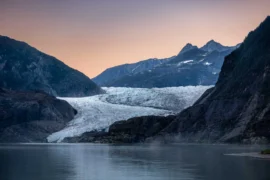
Sitting halfway between mainland Norway and the North Pole, Svalbard is about as far from a tourist trap as you can get in Europe. There are no highways connecting towns, polar bears outnumber people, and the landscape is a stark mix of jagged mountains, frozen fjords, and sprawling glaciers.
Because there are virtually no roads outside Longyearbyen, the best way to see the archipelago is from the water, which is why travelers looking for real solitude often book a Spitsbergen cruise on a small expedition ship that can slip into remote bays where larger vessels simply cannot go. Whether you visit under the endless light of the midnight sun or during the deep blue twilight of polar night, you never feel rushed by crowds.
The Scottish Highlands and Isle of Skye in Late Autumn
Scotland is hardly a secret, yet timing makes all the difference. By late October and November, the tour buses clear out of the Isle of Skye and Glencoe, leaving behind rust-colored valleys, snow-dusted Munros, and empty single-track roads.
Pubs still have peat fires burning, whisky distilleries are open for quiet tastings without long queues, and iconic spots like the Quiraing or Old Man of Storr regain the wild, atmospheric solitude they were famous for in the first place.
Swedish Lapland and Abisko National Park
Abisko sits inside a unique microclimate that keeps its skies clearer than almost anywhere else in Scandinavia, making it one of the most reliable places in Europe to catch the aurora borealis. Despite that reputation, the area keeps a low-key, outdoorsy atmosphere that feels worlds away from commercial ski resorts.
You can take the chairlift up Mount Nuolja in complete silence, hike along frozen canyon trails during the day, or ride the Arctic Circle train across the border toward Narvik for sweeping views of snow-covered mountains dropping straight into Norwegian fjords.
A Few Tips Before Heading North
- Pack in layers rather than one bulky coat: Merino wool base layers, a warm fleece mid-layer, and a windproof outer shell keep you comfortable whether you are standing on an open ship deck or stepping inside a heated lounge.
- Embrace shorter daylight hours: Late autumn and winter bring fewer hours of direct sunlight, but the trade-off is long, pastel twilight skies and a much calmer travel pace.
- Book small-scale transport early: Boutique lodges, local guides, and small expedition vessels have limited capacity by design, so planning ahead secures the quietest routes.
Conclusion
Skipping Europe’s warm-weather hotspots does not mean giving up comfort or memorable experiences. Heading north when temperatures drop gives you room to breathe, landscapes that feel genuinely wild, and the rare luxury of having some of the continent’s most striking places almost entirely to yourself.
What say you?
Thoughts on the Best Cold-Weather Destinations in Europe?
Let’s hear it!