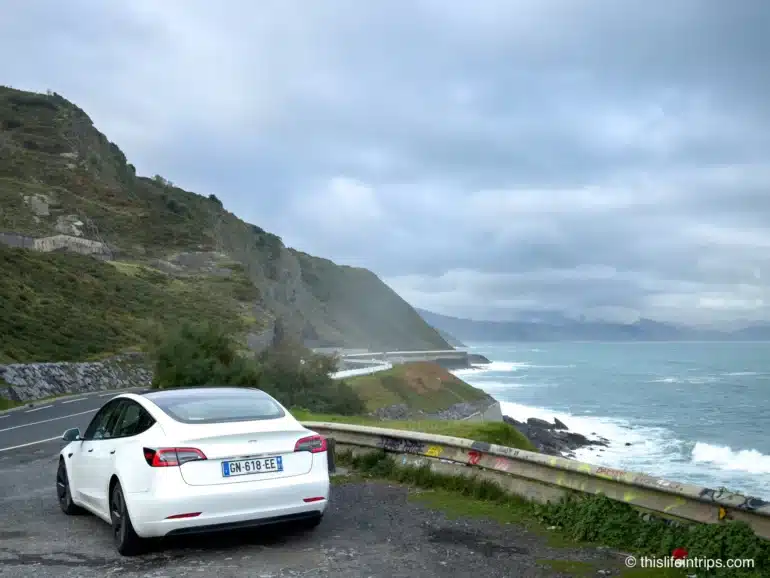
Not long ago, driving an electric car from London to Cornwall meant careful spreadsheets and a nagging fear of running flat somewhere on the A30. Today, it’s far simpler. Britain’s charging network has grown quickly, batteries go further on a single charge, and most modern EVs handle long journeys with ease.
Whether you’re planning a family holiday, a weekend escape or a visit to relatives at the other end of the country, an electric road trip is now a genuinely practical choice.
The biggest change is confidence. With a little planning, a drive from Manchester to the Highlands or Cardiff to the Lake District is less about range anxiety and more about deciding where to stop for coffee. And if you’d like to try EV life before committing, leasing a second-hand car can lower the upfront cost while still giving you access to efficient, modern electric technology.
Planning Your Route
Route planning is the key to a smooth journey. Apps such as Zapmap, A Better Routeplanner and Google Maps can help you identify rapid chargers, check live availability and estimate how long you will need to stop. Many electric cars also have built-in navigation that automatically adds charging stops based on your battery level and driving conditions.
The best approach is to plan around natural breaks rather than waiting until the battery is nearly empty. On a long motorway journey, stopping every two to three hours is sensible anyway. If you combine charging with lunch, a toilet break or a short walk, the waiting time becomes far less noticeable.
Charging on Motorways and A-Roads
Motorway service areas are the backbone of Britain’s EV road-tripping network. Major providers such as Gridserve, Instavolt, Osprey, Tesla Supercharger and BP Pulse operate rapid or ultra-rapid chargers at many key locations. These can often add significant range in 20 to 40 minutes, depending on your car’s charging capability.
However, charging speed is not fixed. A cold battery, a busy charger, or a car with a lower maximum charging rate can all slow things down. It is also worth checking whether your vehicle has a preconditioning feature, which warms the battery before arrival at a rapid charger. This can make a noticeable difference, especially in winter.
Away from motorways, charging provision varies more widely. Rural Wales, the Scottish Highlands and parts of coastal England may have fewer rapid chargers, so it is sensible to identify backup options before setting off. Hotels, supermarkets, council car parks and attractions increasingly offer slower destination chargers, which are ideal if you are stopping for several hours or overnight.
The Real Cost of Charging
The cost of an electric road trip depends heavily on where you charge. Home charging is usually the cheapest option, especially if you have an off-peak electricity tariff. Starting with a full battery before leaving home can dramatically reduce the total cost of a journey.
Public rapid charging is more expensive. Prices vary, but motorway rapid chargers can cost several times more per kilowatt hour than charging at home. Even so, many EVs remain competitive with petrol or diesel cars, particularly if most of your charging happens at home or at lower-cost destination points.
For example, a 250-mile journey in an efficient EV might use around 70 to 80 kWh of electricity. If most of that is charged at home, the cost could be modest. If charged entirely at motorway rapid chargers, the price rises considerably. The real saving comes from mixing charging types: leave home full, use rapid chargers only when necessary, and top up overnight where possible.
Best Routes for EV Travel
Some routes are particularly well suited to electric driving. The London to Cornwall corridor has improved significantly, with useful charging options along the M3, A303, M4 and M5. The journey to the Lake District is also manageable thanks to strong coverage on the M6.
Scotland’s main routes, including the central belt and roads towards Inverness, are increasingly EV-friendly, though remote areas still require more care. For scenic touring, the North Coast 500 can be done in an electric car, but it rewards patient planning and flexible expectations.
In Wales, the M4 corridor is straightforward, while journeys into Snowdonia or along the west coast benefit from checking charger status in advance. The same applies to rural Norfolk, Northumberland and parts of Devon.
Practical Tips Before You Go
Before setting off, download the apps you may need and create accounts with major charging networks. Although contactless payment is becoming more common, apps can still be useful for starting chargers, checking availability and viewing prices.
Pack the correct charging cables, particularly a Type 2 cable for slower public chargers. Keep an eye on tyre pressure, as underinflated tyres reduce efficiency. In winter, allow extra range for heating, wet roads and colder battery temperatures.
It is also wise to avoid arriving at a charger with only a few miles remaining. Aim to keep a buffer of 10 to 20 per cent, especially in unfamiliar areas.
Is It Worth It?
Road-tripping Britain in an electric car is not quite as effortless as filling a tank with petrol, but it can be quieter, cheaper and more relaxing with the right mindset. The secret is to plan intelligently, charge while doing something useful, and understand the real costs before you travel.
For many drivers, the experience is already good enough to make the electric road trip not just possible, but genuinely enjoyable.
What say you?
Thoughts on an Electric Car Road Trip Britain?
Let’s hear it!