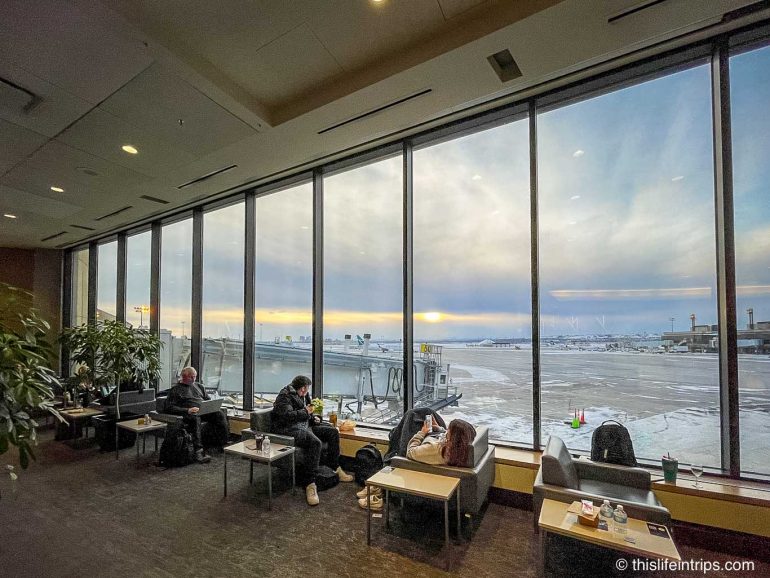
I’ve logged into hotel Wi-Fi in enough different countries to know that the little padlock on a network name means almost nothing. There’s the cafe where I downloaded a boarding pass on someone else’s connection without thinking twice, and the airport lounge where I checked my bank account over public Wi-Fi because there was nothing else to do. I never had a problem, but at some point I started to think about why that might just be luck.
The digital security habit that actually changed things for me was not a VPN, though I do use one. It was switching to a different email provider.
Why email is worth paying attention to on the road
When you’re travelling, your email account is the backbone of almost everything that matters. Booking confirmations, Visa correspondence, bank notifications, and messages from hosts and tour operators all land there. If something goes wrong with your inbox, it tends to go wrong at the worst possible moment, halfway through a trip when you need access to a confirmation you cannot find, or when you discover an account has been compromised from the other side of the world.
Most of us set up our email addresses years ago and have never really questioned them. The providers are free, which means the trade-off is usually data: your messages get scanned, your behaviour gets tracked, and you’re the product rather than the customer.
There’s another reason your inbox deserves a second look: it’s the master key to almost every other account you own. Forgotten your banking password? The reset link lands in your email. Locked out of a booking site? Same again. Anyone who gets into your inbox can work their way into everything else, one password reset at a time. On a trip, when you’re logging in from unfamiliar networks and can’t easily sort out problems, that single point of failure starts to feel a lot more real.
What actually changed when I switched my email provider
I moved over to a privacy-focused mail service about a year before a long trip, and by the time I was on the road I’d almost forgotten I had made the change. That’s the point, really. The switch was invisible in day-to-day use, but I knew my inbox was end-to-end encrypted and my messages weren’t being scanned to serve me adverts. Plus I was confident that logging in from an unfamiliar country wouldn’t trigger a dreaded account lockout.
Before you go on any long trip, I always recommend reading this guide to staying secure online while travelling. It covers all the essentials with practical advice that’s accessible to everyone, including those without much tech knowledge.
A small change with a lasting effect
Admittedly, this isn’t the most dramatic travel tip I’ve ever shared. Switching email provider is nowhere near as exciting as finding a hidden restaurant in a back street or discovering a viewpoint that is not on any map.
For more thoughts on the tools and habits that make travel life run more smoothly, browse our travel tips archive — but choosing a privacy-focused email provider is the kind of low-effort, high-reward change that pays off every time you check your inbox from a hotel lobby or an airport terminal, and that is more than enough of a reason to do it.
What say you?
Thoughts on Keeping in Touch While Travelling?
Let’s hear it!