
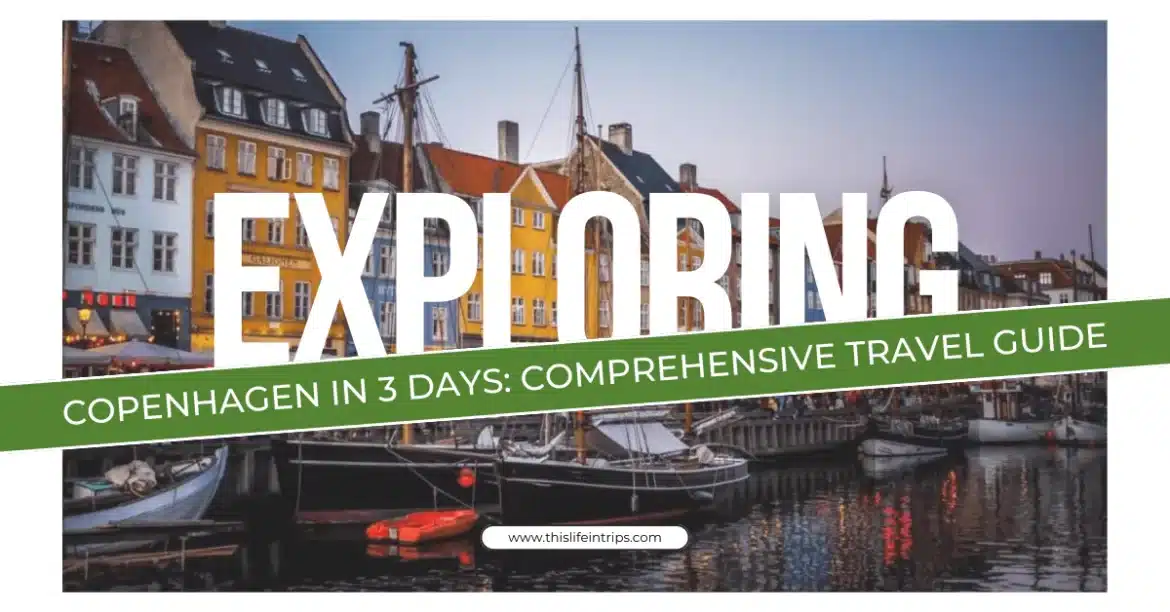
My first visit to Copenhagen was somewhat impromptu—a quick stop between Oslo and Stockholm that left me wanting more. I eventually returned for three days and packed that visit with Copenhagen’s must-see attractions, food, beer, biking and plenty of sightseeing.
Recently, I found myself back in the Danish capital for another three days, only this time the circumstances—and my approach to the city—were completely different.
I was about to pick up a VW ID. Buzz camper from Cabin Campers and begin an EV road trip through Scandinavia, eventually driving north to Nordkapp. Before starting that long drive, three days in Copenhagen gave me some much-needed downtime.
And because I’d already checked off many of the city’s headline attractions, I didn’t feel any pressure to race around trying to see everything.
Instead, I drank some of the best coffee of my Scandinavia trip, ate far too many pastries, discovered a Danish take on brunch, cycled through neighbourhoods I’d barely explored before, returned to a few old favourites and spent a surprising amount of time sitting in public squares with a beer or cocktail watching Copenhagen go by.
Turns out, I really enjoy a good square hang.
I also explored Copenhagen’s Meatpacking District, cycled out to Refshaleøen, ate my way through Torvehallerne and Reffen, revisited Christiania, climbed the Round Tower again and somehow started collecting Copenhagen’s converted historic telephone kiosks along the way.
One of the highlights was getting soaked while experiencing Hey Captain’s small-group canal tour. Despite the rain, their concept of “social sailing” made it one of the most memorable things I did on this return visit. You can also read my full Hey Captain Copenhagen boat tour review for a closer look at what made the experience different from a standard Copenhagen canal cruise.
I think I enjoyed Copenhagen even more this time around.
My first trips were largely about seeing Copenhagen. This visit felt much more like experiencing Copenhagen.
That’s why I’ve updated this guide. Rather than simply giving you a checklist of the top things to do in Copenhagen, I’ve combined what I’ve learned across multiple visits with the places I returned to and the new neighbourhoods, food and experiences that stood out this time.
If you’re planning 3 days in Copenhagen, this guide will help you cover the classics without spending your entire visit racing between attractions. I’ll also share what I’d prioritize if you only have 1 day in Copenhagen, where to eat in Copenhagen, where to stay in Copenhagen, and some of the best things to do in Copenhagen when you simply want to slow down and enjoy the city.
Still working out how to get there? I usually start by checking cheap flights to Copenhagen before locking in the rest of the trip.
Are Three Days in Copenhagen Enough?
Absolutely.
I’ve now visited Copenhagen multiple times, including two separate three-day stays, and I think three days hits a sweet spot for a first visit.
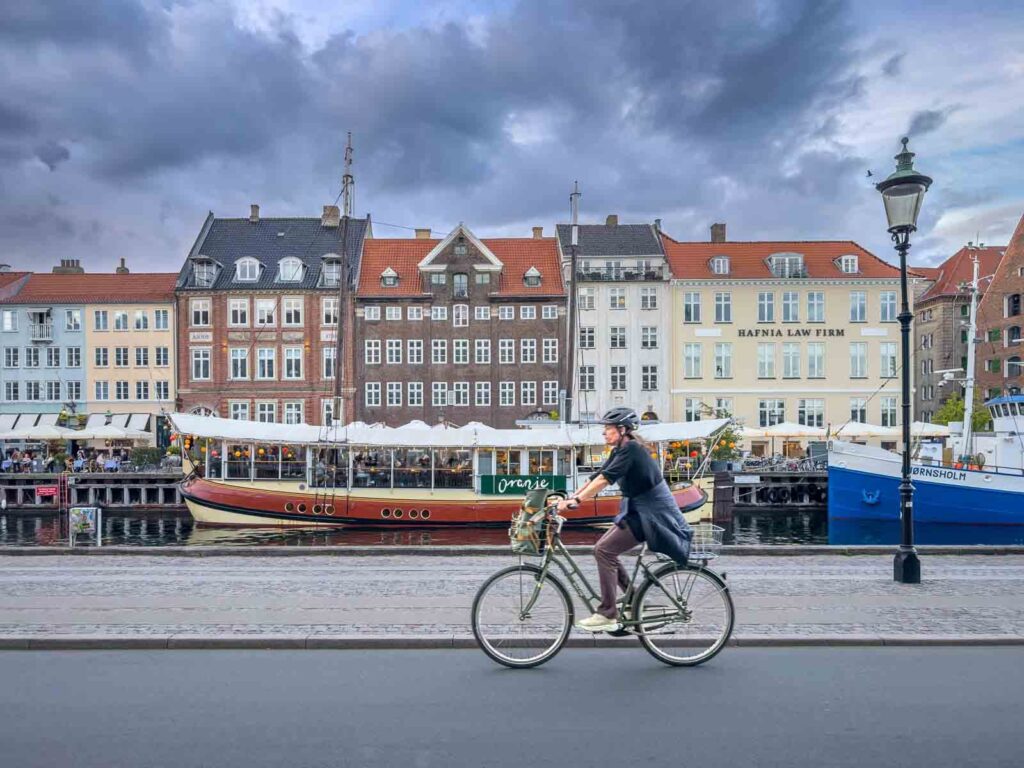
Copenhagen’s compact centre and excellent cycling infrastructure make it relatively easy to cover a lot of ground. With a good 3 days in Copenhagen itinerary, you can see landmarks such as Nyhavn, Amalienborg and the Round Tower while still making time for a canal tour, great food and neighbourhoods beyond the historic centre.
The mistake I’d avoid is trying to cram every Copenhagen must see attraction into those three days.
My return visit reinforced that some of my favourite experiences here aren’t really attractions at all.
Cycling from one neighbourhood to another, building lunch from vendors at Torvehallerne, sitting outside with a beer in Kødbyen, grabbing a pastry before a bike ride or spending an hour beside the water at Refshaleøen can be just as memorable as another museum or monument.
If this is your first visit, you’ll probably want a mixture of both.
Best Things to Do in Copenhagen: What I Would Prioritize
If you’re wondering what belongs at the top of your Copenhagen to-do list, these are the experiences I’d prioritize after multiple visits:
- Explore Nyhavn and Copenhagen’s historic centre
- Rent a bike and experience the city on two wheels
- Take a small-group Hey Captain canal and harbour tour
- Climb the Round Tower for views over Copenhagen
- Explore Freetown Christiania
- Eat your way through Torvehallerne
- Visit Kødbyen and explore Vesterbro
- Cycle to Refshaleøen and eat at Reffen
- Try Copenhagen’s bakeries, pastries and excellent specialty coffee
- Leave yourself enough time to sit somewhere interesting and do absolutely nothing
That last one isn’t filler.

One of the biggest things I learned on this return trip was that Copenhagen gets better when you stop treating it as a checklist.
It’s also one of the easiest cities I’ve visited to explore by bike. If you’d rather combine cycling with eating—which sounds like a pretty good Copenhagen day to me—this Copenhagen culinary bike tour combines two things the city does exceptionally well.
Copenhagen Must See Attractions for a First Visit
There are still several Copenhagen must see attractions I’d recommend to anyone visiting for the first time. Nyhavn deserves its popularity, Amalienborg provides an easy introduction to Copenhagen’s royal history, and the Round Tower remains one of my favourite viewpoints in the city.
Christiania is still unlike anywhere else in Copenhagen, although it has changed considerably since my earlier visits. We’ll get into that below.

Tivoli Gardens is another Copenhagen classic, particularly if you’ve never visited, while the city’s canals give you an entirely different perspective on its architecture and waterfront neighbourhoods. After seeing Copenhagen from street level and by bike, getting onto the water with Hey Captain gave me yet another perspective on the city.
But don’t feel like you need to do everything.
If you’re working with a Copenhagen 2 day itinerary, concentrate on the historic centre, get on a bike and choose one or two larger experiences. With three days, I’d use that extra day to venture farther into neighbourhoods such as Vesterbro or cycle toward Refshaleøen.
That balance between famous sights and simply enjoying Copenhagen is what I’d recommend most after coming back.
And sometimes the smaller discoveries are the ones you’ll remember.
On this visit, those included finding what I consider the best coffee in Copenhagen from everything I’ve tried so far, sampling some excellent bakeries and repeatedly stumbling across Copenhagen’s beautiful old telephone kiosks that have been converted into tiny cafés and bars.
Coffee and bakeries became such a big part of this return trip that I put together a separate guide to the best coffee in Copenhagen, including the cafes, bakeries and pastries I tried.
The historic telephone kiosks became another unexpected obsession while cycling around the city. What started with noticing one soon turned into looking for them everywhere—and occasionally stopping for a cocktail along the way. I’ve pulled those finds together with local recommendations, happy hours and my favourite beer stops in my guide to Copenhagen bars, craft beer and historic telefonkiosker.
Compare prices on flights to Copenhagen, Denmark with Skyscanner
Day 1: Copenhagen Must See Sights and the Historic Centre
For your first day, I’d concentrate on central Copenhagen. This gives you an introduction to the city without spending half the day travelling between attractions, and many of these stops are easy to connect on foot or by bike.
Even after returning to Copenhagen, I still think several of the classic sights are worth seeing. The difference is that I wouldn’t rush between them just to say you’ve been there.
Start With Nyhavn

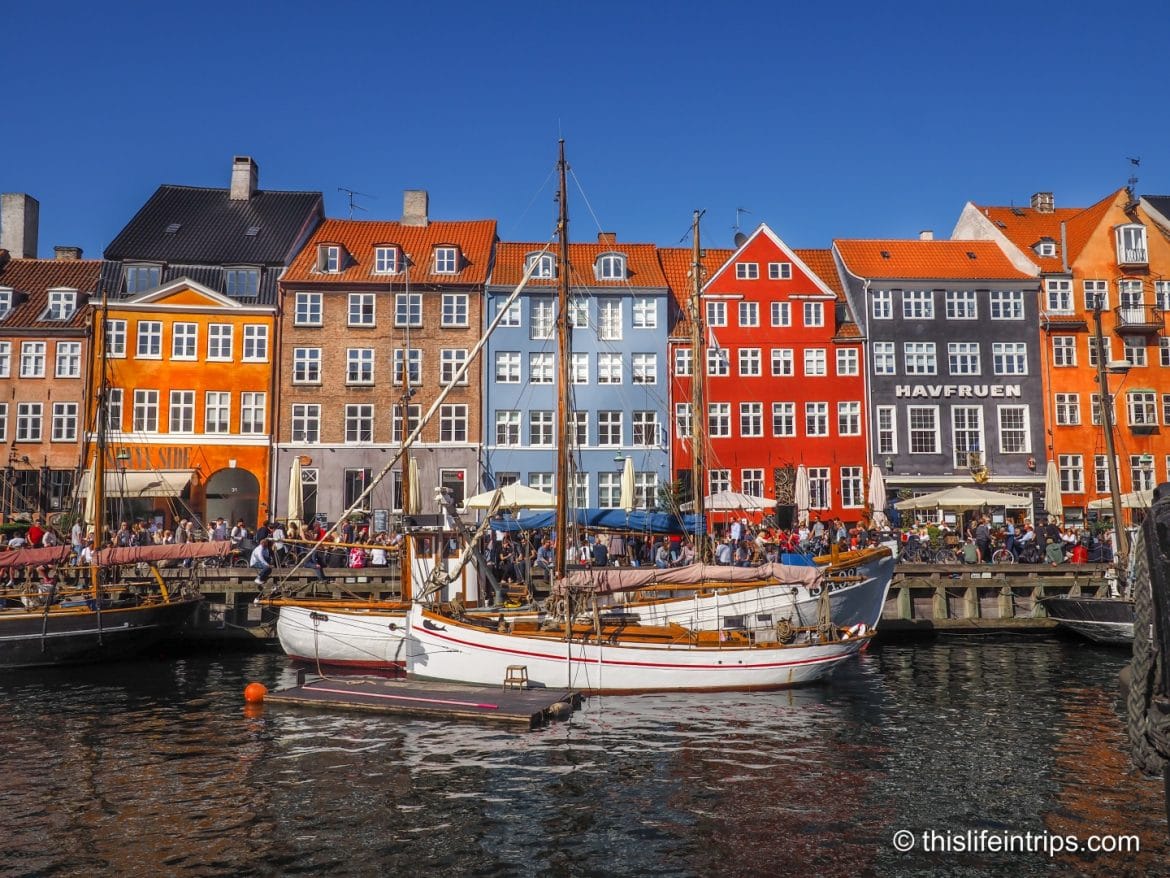
Yes, Nyhavn is touristy. It’s also one of Copenhagen’s most recognizable areas and somewhere I’d still recommend seeing on your first visit.
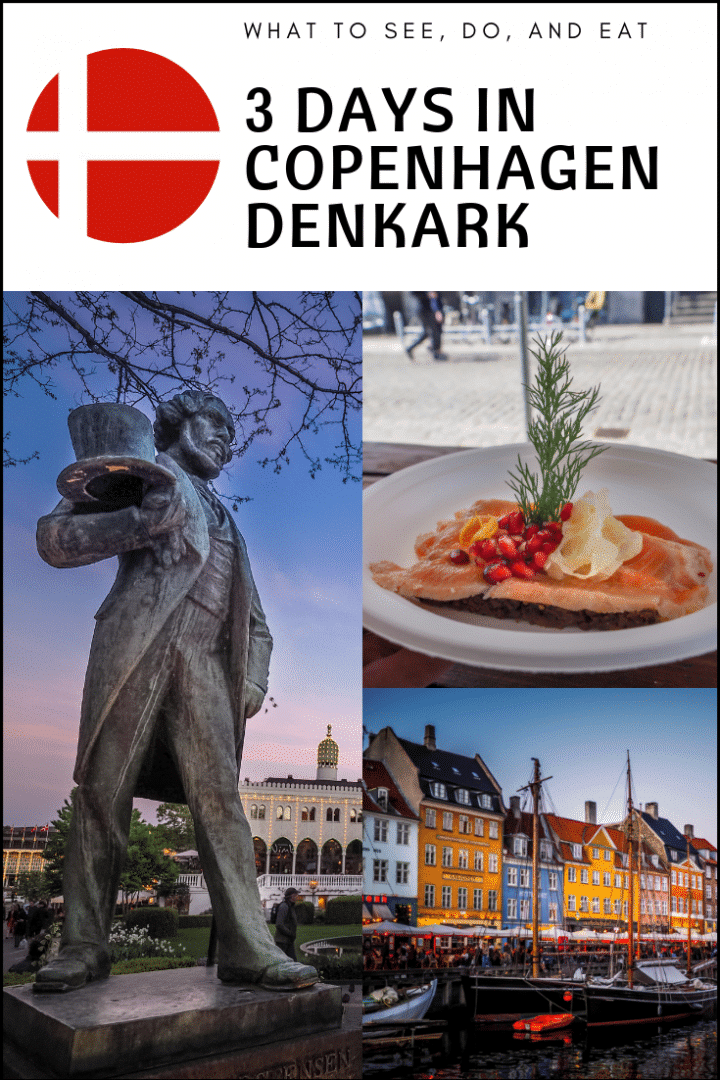
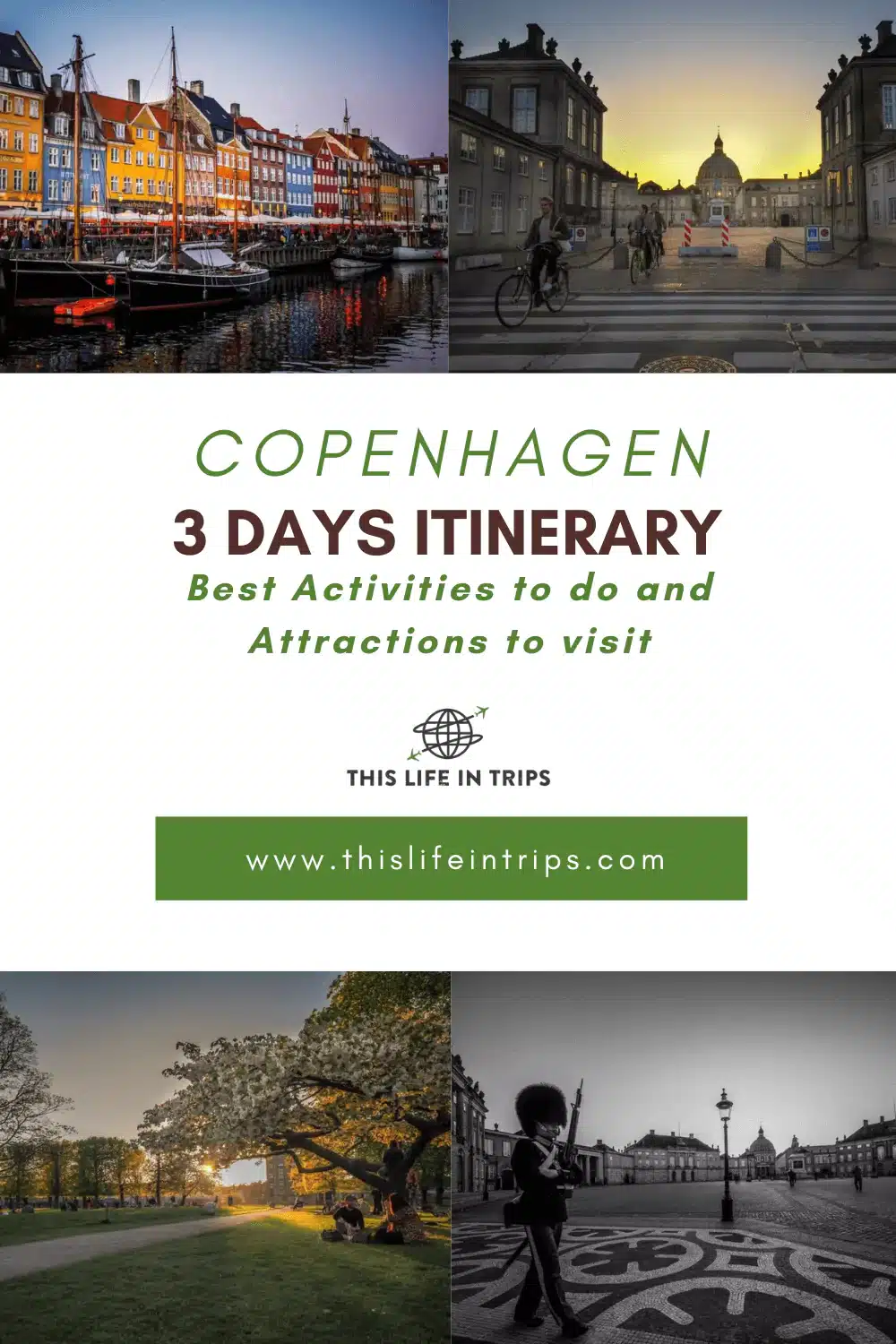
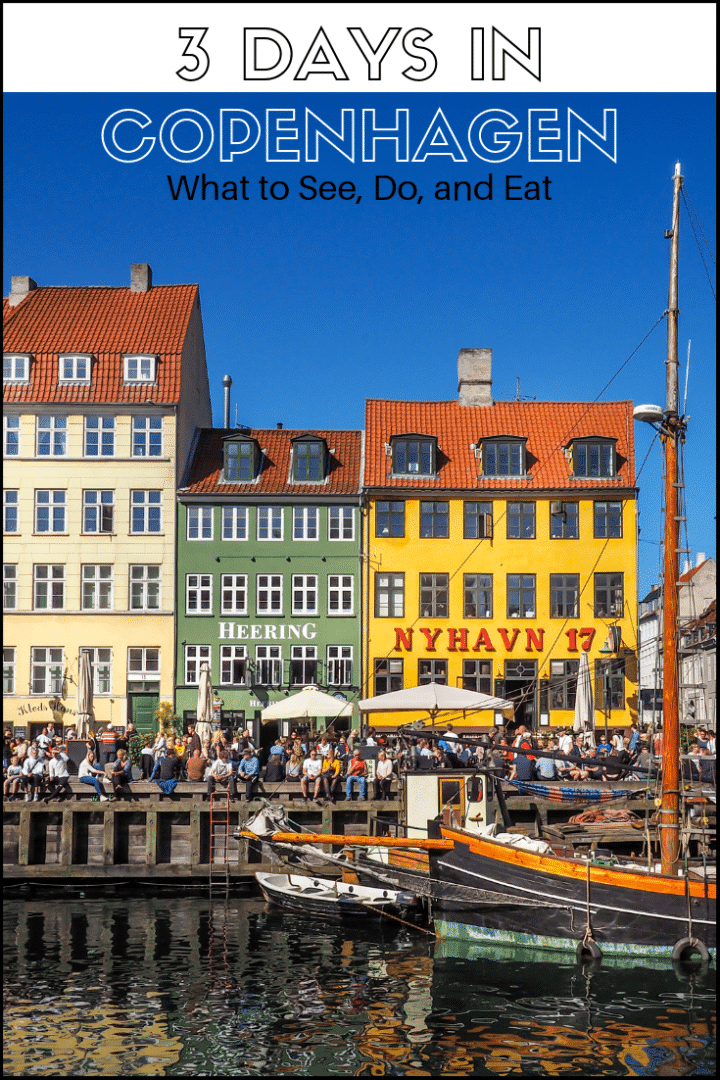
The colourful 17th- and 18th-century townhouses lining the canal make this one of the city’s most photographed spots, but I prefer using Nyhavn as a starting point rather than making it the destination for an entire afternoon.
Walk along the waterfront, take in the old wooden ships and colourful buildings, and then continue toward the nearby royal quarter.
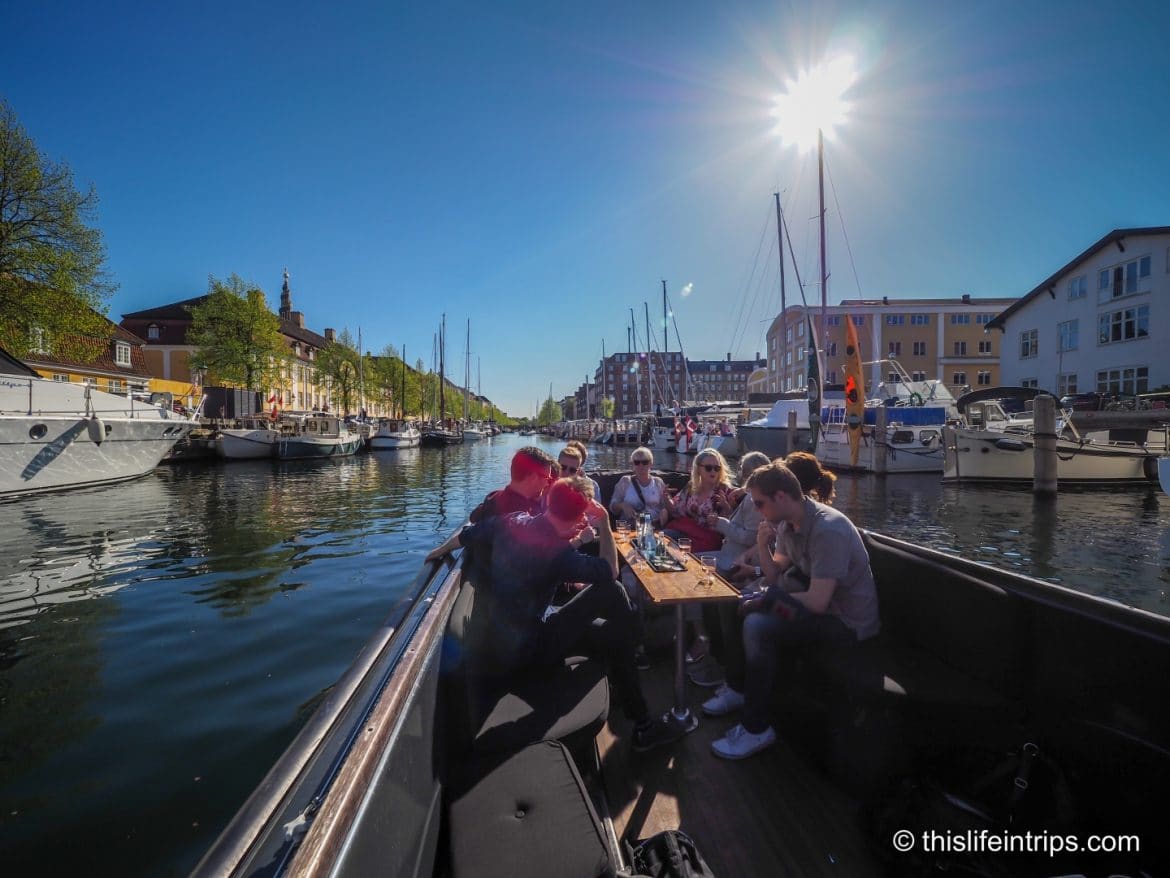
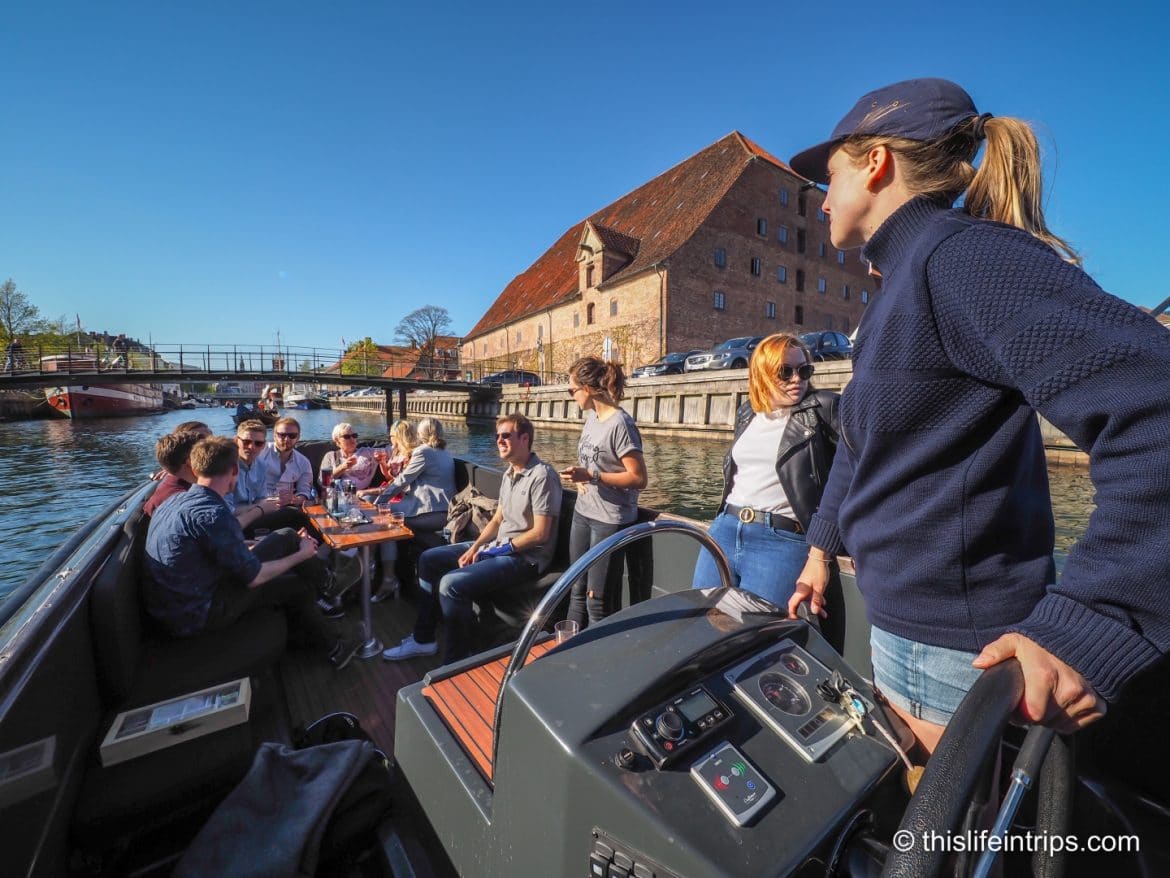
Nyhavn is also a natural place to experience Copenhagen from the water. There are several canal cruises available, but after doing the Hey Captain Copenhagen boat tour, I think a smaller boat provides a much more personal way to explore the harbour.

READ MORE: A Photo Walk Around Bergen, Norway
On my latest visit, it rained through much of our cruise, yet it ended up being one of my favourite experiences of the trip.
Hey Captain calls its approach “social sailing.” Rather than having a guide simply recite facts while everyone silently looks out of the boat, our captain actively involved the group in the conversation.
He asked where everyone was from and somehow managed to connect our different backgrounds with the architecture, neighbourhoods and history we were passing. It felt less like listening to a sightseeing commentary and more like exploring Copenhagen with a group of people who had just met.
Even soaking wet, I came away highly recommending it.
→ Book the Hey Captain Copenhagen canal tour
Walk to Amalienborg Palace
From Nyhavn, continue toward Amalienborg, home of the Danish royal family.

The palace complex is arranged around an impressive octagonal square surrounded by four nearly identical Rococo palaces. Even if you don’t go inside, it’s worth walking through the square and seeing this part of Copenhagen.
If your timing works, you can also catch the changing of the Royal Life Guards. I wouldn’t structure an entire day around it, but it’s an easy addition if you’re already exploring this part of the city.


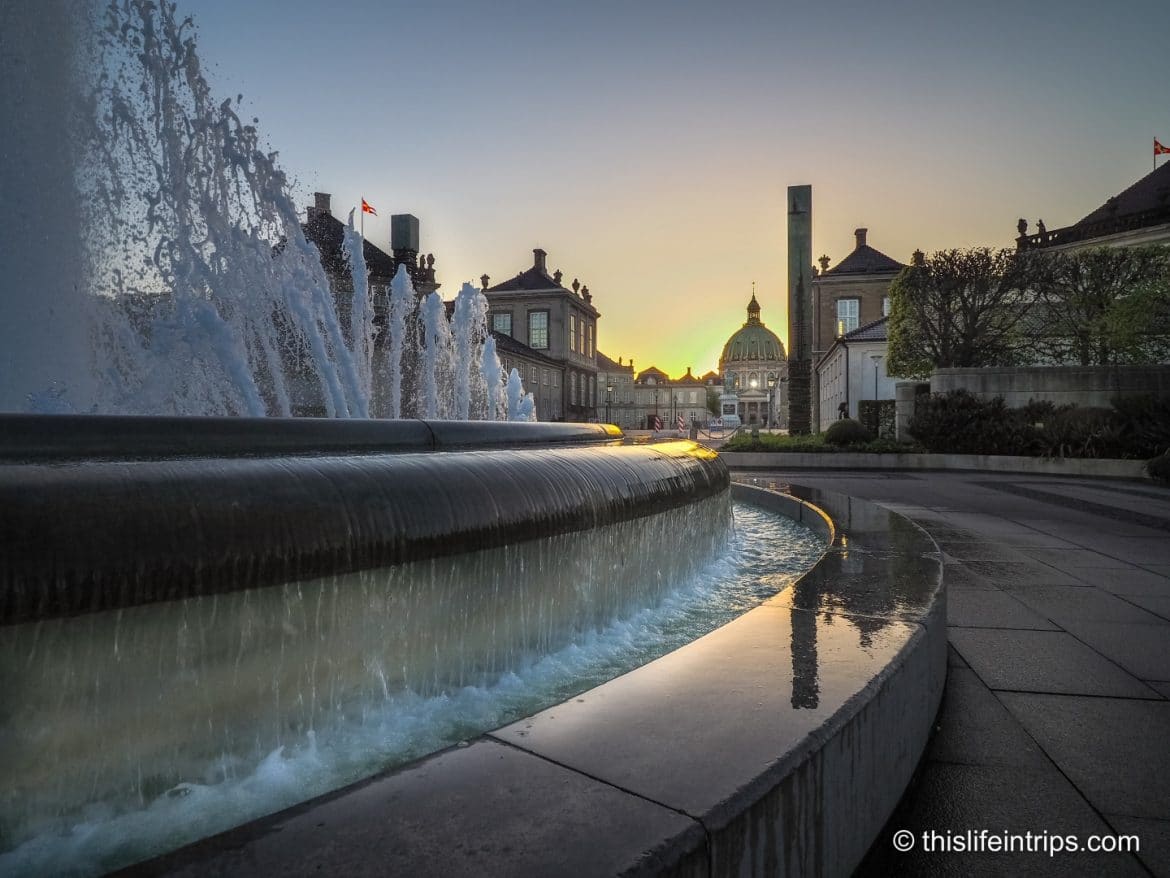
From here, you can continue toward Frederik’s Church—the enormous domed church better known as the Marble Church—or wander back through the historic centre.

Climb the Round Tower
The Round Tower, or Rundetaarn, was one attraction I was happy to revisit.
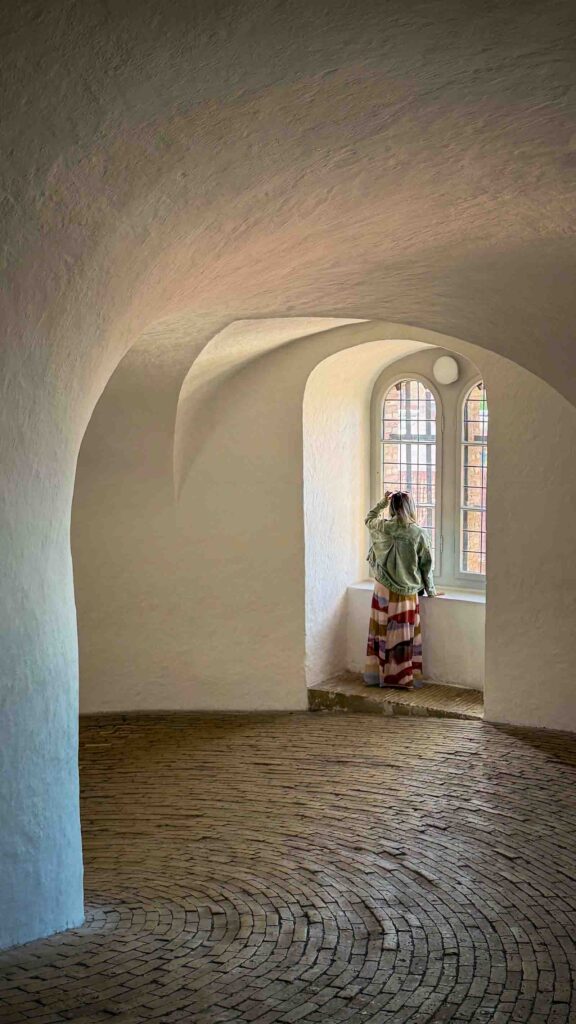
Instead of a conventional staircase for most of the climb, you follow the tower’s distinctive spiral ramp upward. The tower was completed in the 17th century as part of King Christian IV’s Trinitatis Complex and was built to support astronomical study.

Eventually, the spiral gives way to the final climb and observation deck, where you’re rewarded with views across Copenhagen’s rooftops.

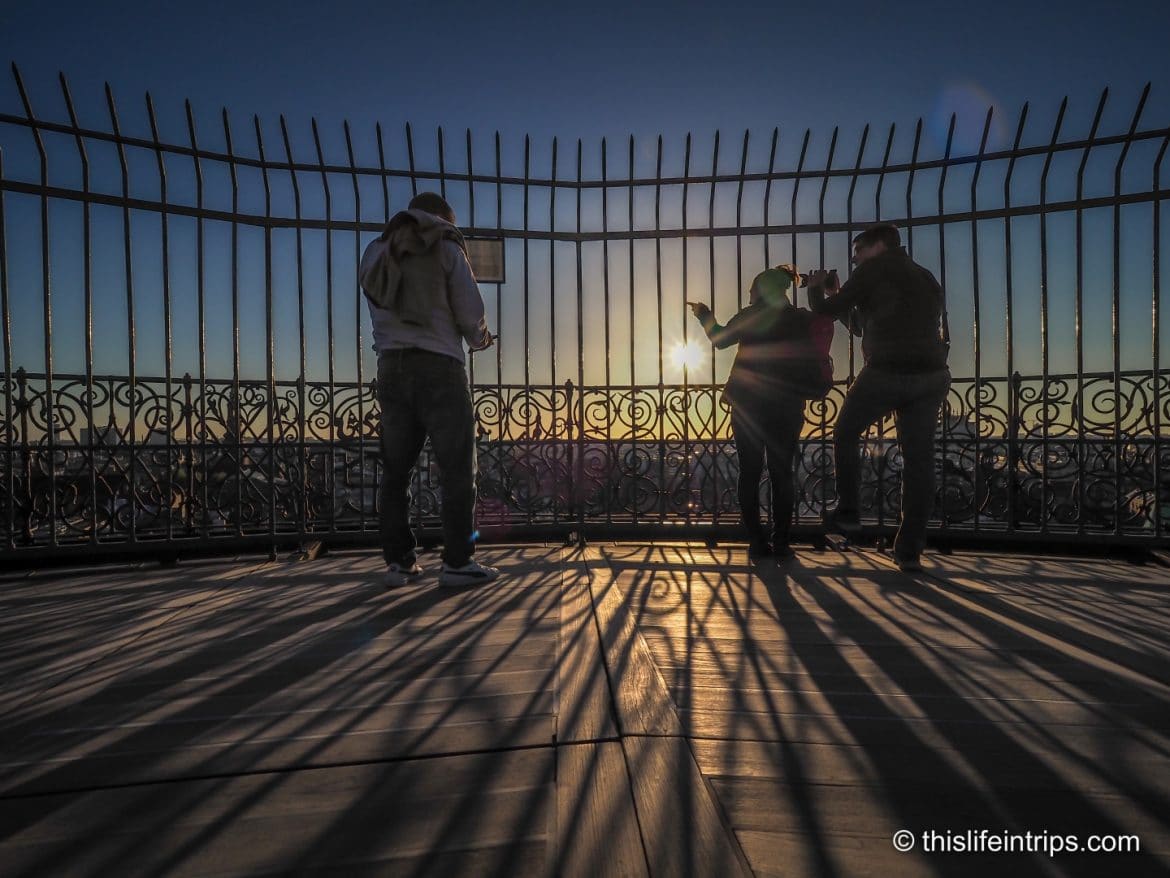

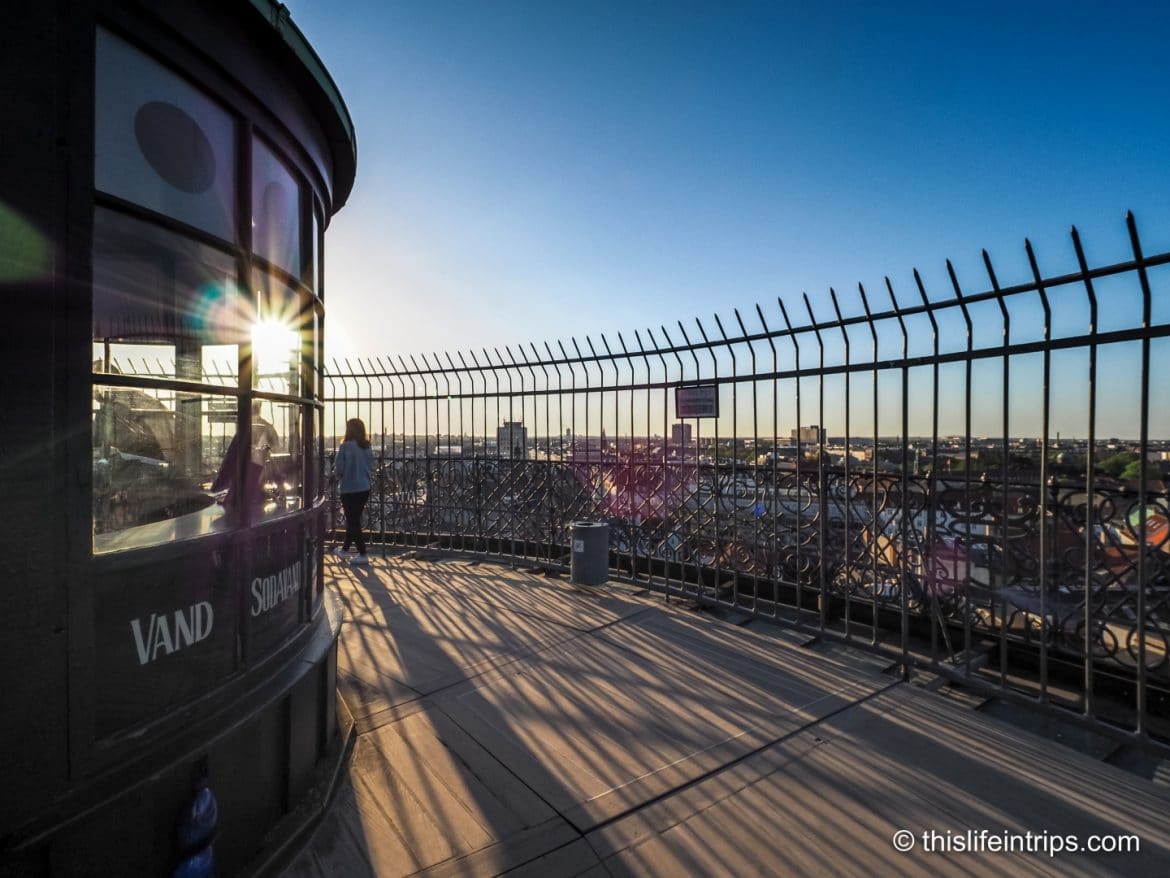

I enjoyed the view, but there was another important incentive for making the climb. Lunch.
Back at street level, I stopped for a Danish hot dog from the famous cart near the tower. After walking up Rundetaarn, I figured I’d earned it.

Sightseeing followed by street food is exactly the kind of cultural balance I can get behind.
Don’t Miss the Old University Library
One of the unexpected discoveries of this return visit was nearby.
We wandered into Copenhagen’s historic university library, close to the Round Tower. Don’t confuse this with the modern Black Diamond on the waterfront—this is the atmospheric old university library with rows of books, historic details and the kind of interior that makes you immediately slow down.
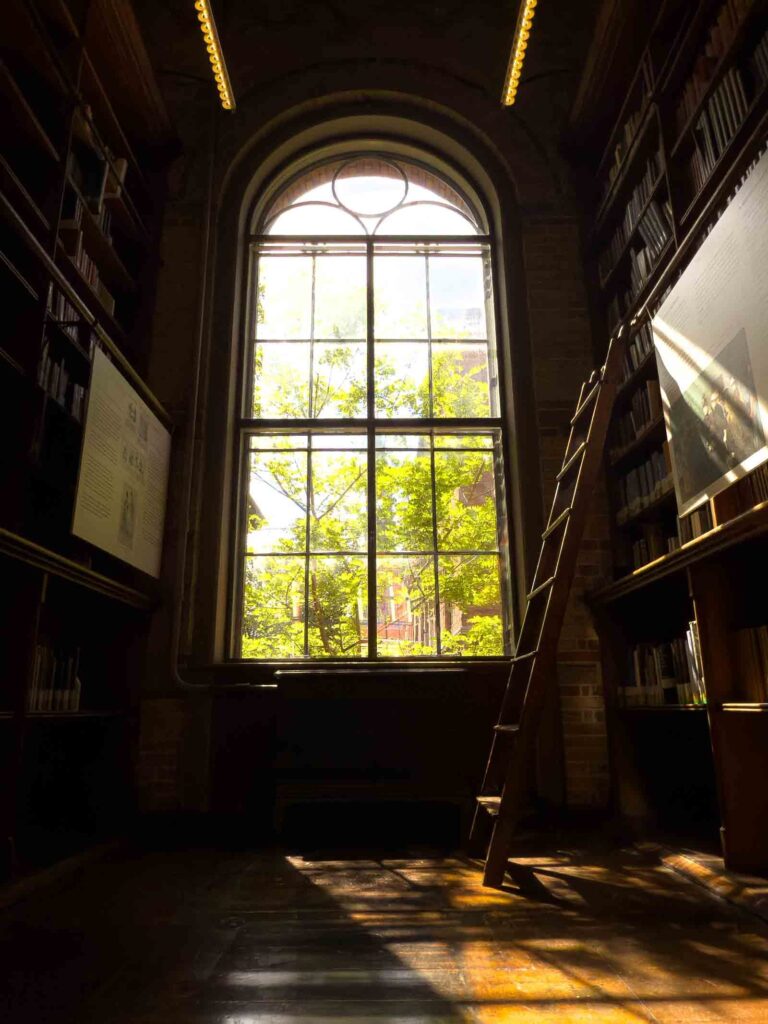

What was supposed to be a quick look somehow turned into an impromptu photo shoot. I hadn’t planned the stop at all, which is probably why I enjoyed it so much.

It’s also a good example of how I’d approach Copenhagen differently after several visits. Leave gaps in your itinerary. If a doorway, courtyard, shop or building looks interesting, go see what’s inside.
Sometimes those unplanned stops are more memorable than whatever you had scheduled next.
Explore Strøget, Squares and Side Streets
From the Round Tower, you’re perfectly positioned to wander through central Copenhagen.
Strøget gets most of the attention as one of the city’s major pedestrian shopping areas, but don’t limit yourself to the main shopping street. Duck down side streets, wander through the surrounding squares and give yourself time to stop when something catches your attention.
That’s exactly how another theme of my return trip developed.
One thing I started noticing everywhere on this return trip was Copenhagen’s distinctive old telephone kiosks. Several have been repurposed as tiny cafés, bars and refreshment stands, and spotting them eventually became something of an accidental scavenger hunt.
Without intending to, I started collecting them. I’d find another kiosk while cycling or walking through the city and inevitably end up stopping for a coffee, cocktail or another drink. After a few of these stops, I realized they perfectly encapsulated something I love about Copenhagen: give me an attractive public square, interesting architecture, somewhere to sit and a coffee, beer or cocktail, and I’m perfectly content watching the city go by.
The obsession eventually turned into a full guide to the bars Copenhagen locals recommended, historic telefonkiosker, happy hours and craft beer I tried. If these little kiosks catch your attention too—or you’re wondering where else I’d stop for a drink in Copenhagen—that’s where I’ve gone into much more detail.
Explore Copenhagen by Bike

If you’re comfortable cycling, renting a bike is one of the best ways to expand what you can see beyond Copenhagen’s historic centre. I relied on bikes much more during this return trip, and they completely changed the pace of the visit.
You don’t necessarily need one for the central sights on Day 1, but I’d strongly consider cycling for Days 2 and 3 when this itinerary heads toward Christiania, Refshaleøen, Vesterbro and Kødbyen. I’ll cover the practical side of renting and riding a bike in the Getting Around Copenhagen section below.
How Much Can You See With 1 Day in Copenhagen?
If you only have 1 day in Copenhagen, I’d essentially use this first day as your itinerary.
Start around Nyhavn, walk through Amalienborg, explore the historic centre and climb the Round Tower. Have lunch somewhere casual, then spend the afternoon on a bike or take a canal tour.
Don’t try to squeeze Refshaleøen, Vesterbro, Christiania, Tivoli and every museum into the same day.
With limited time, I’d rather properly enjoy five or six of the best things to do in Copenhagen than race through fifteen of them.
And if you only have a few hours because you’re connecting through CPH, Copenhagen Airport has a quick rail connection into the city. Depending on your flight and lounge access, you can also finish your visit with some downtime at the airport. I’ve reviewed the SAS Copenhagen Lounge at CPH separately, including my return after its renovations.
Day 2: Christiania, Refshaleøen and Some of the Top Things to Do in Copenhagen by Bike
For day two, get on a bike and head east.
This was one of my favourite days from my return trip because it combined a place I’d visited before—Freetown Christiania—with an entirely new side of Copenhagen around Refshaleøen.

There wasn’t much of a schedule.
We cycled, ate, drank, stopped when something looked interesting and eventually made our way onto the water for our Hey Captain tour. It felt much less like following a 3 days in Copenhagen itinerary and much more like simply spending a day in the city.
If the weather cooperates, I’d highly recommend doing something similar.
Revisit Freetown Christiania
Freetown Christiania was one of the Copenhagen must see stops on my earlier visit, so I was curious to see it again.
Christiania was established in 1971 when people began occupying an abandoned military area in Christianshavn. What followed was a self-governing community that became known for its alternative lifestyle, colourful buildings, workshops, music venues, cafés and, controversially, the cannabis trade along Pusher Street.
That last part has changed significantly since my original visit.
In April 2024, Christiania residents joined Copenhagen officials in physically digging up Pusher Street as part of an effort to end the organized cannabis trade and associated gang activity there.
If you remember Christiania primarily for Pusher Street, don’t arrive expecting exactly the same experience today.
For me, that isn’t necessarily a bad thing.
There’s much more to Christiania than cannabis, and cycling through on this visit gave me an opportunity to appreciate the neighbourhood itself rather than concentrating on its most notorious street.
It also produced an appropriately timed souvenir. I found a tiny VW that immediately reminded me of what was waiting after Copenhagen.
I’d previously taken my Tesla Model Y as far north as I could drive in North America on my road trip up the Dempster Highway to Tuktoyaktuk. After these three days in Copenhagen, I was about to try something similar on the other side of the Atlantic—this time picking up a VW ID. Buzz camper from Cabin Campers and heading north through Scandinavia toward Nordkapp.
Consider the tiny VW a teaser for that upcoming EV road trip.
Cycle From Christiania to Refshaleøen
From Christiania, keep riding toward Refshaleøen.
This is exactly why I recommend renting a bike in Copenhagen. Places that can look slightly disconnected when you’re plotting them on a map become part of one continuous day when you’re cycling.
Refshaleøen was once dominated by the Burmeister & Wain shipyard. Today, the former industrial area has become one of Copenhagen’s most interesting places for food, culture and recreation.
And it doesn’t feel overly polished. That’s what I liked about it.
You still have the industrial surroundings and waterfront, except now they’re mixed with food stalls, bars, creative businesses, communal spaces and Copenhageners hanging out in the sunshine.
There doesn’t need to be one specific attraction you’re coming here to see. Refshaleøen is the attraction.
Stop for a Beer at La Banchina
One of my favourite stops on Refshaleøen was La Banchina, a tiny waterfront restaurant and bar built around an old dock. This isn’t somewhere I’d come with a sightseeing checklist. The appeal is grabbing a drink, finding a spot by the water and doing very little for a while.
We stopped for a beer and watched Copenhagen go by from the waterfront. It was another reminder of what I liked so much about Refshaleøen: there are things to eat and places to visit, but you don’t necessarily need an activity. Sometimes hanging out is the activity.
From here, we continued farther into Refshaleøen toward Reffen, making La Banchina an easy stop on a cycling route rather than a destination that needs its own chunk of the day.
Eat and Hang Out at Reffen
From La Banchina, we continued to Reffen, Copenhagen’s huge waterfront street-food market. It’s built around repurposed shipping containers and industrial spaces, with food stalls, bars and communal areas spread along the waterfront.
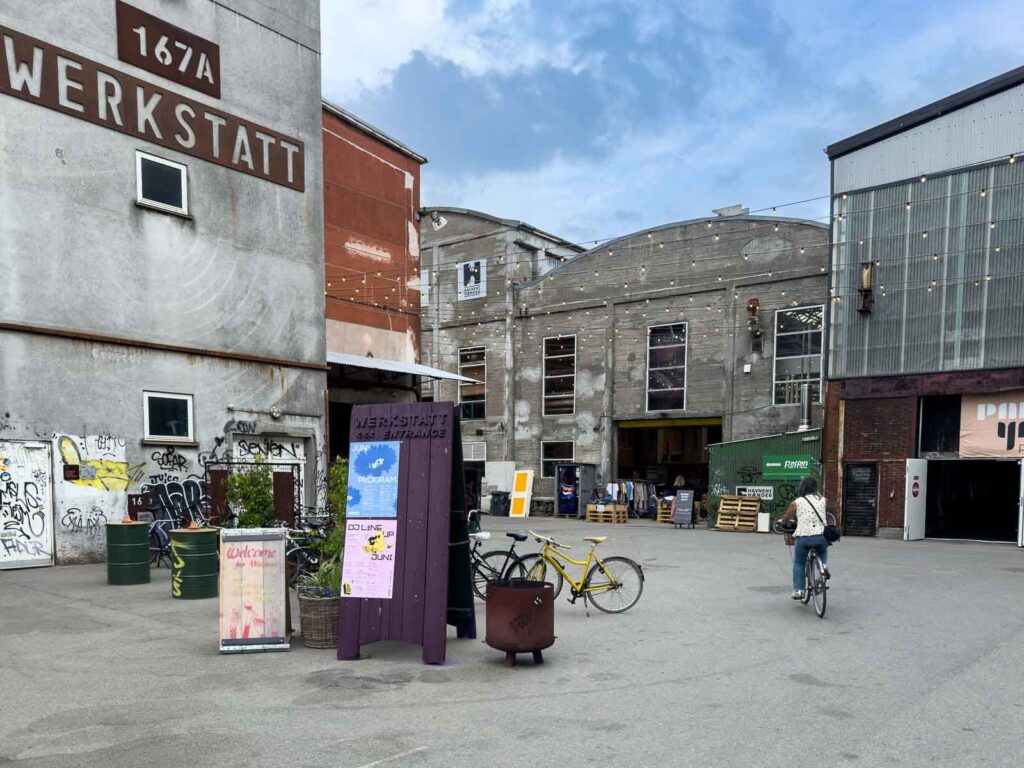
What I liked most wasn’t any one particular food stall. It was the atmosphere. On a sunny summer evening, this is somewhere I’d happily arrive without much of a plan, grab whatever food looks good, find a drink and settle into one of the communal areas. There are places to sit by the water, fire pits and enough going on that hanging out becomes the activity.
That relaxed atmosphere also produced one of the less glamorous moments of the trip. I returned to my bike to discover that a bird had shit directly on the seat, leaving me to clean it off while holding a beer. Travel isn’t always glamorous.
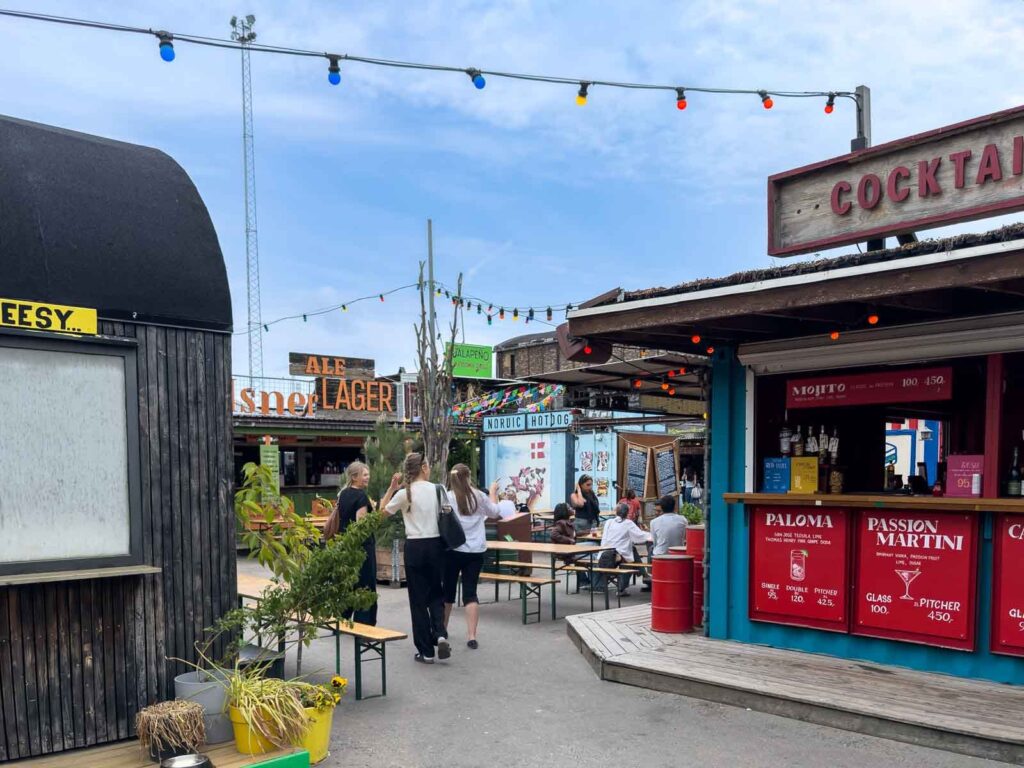
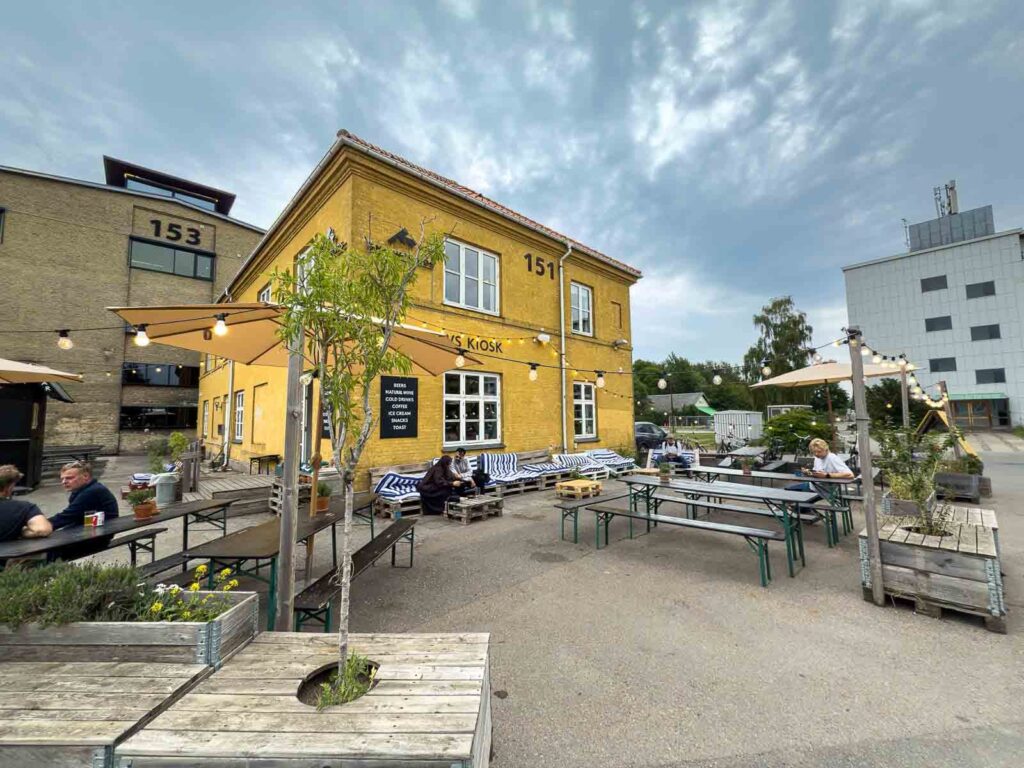
Reffen works particularly well as part of a cycling day rather than an isolated attraction. Combine it with Christiania, Refshaleøen and La Banchina and the journey between them becomes just as much a part of the day as the individual stops.
Stop at Noma Projects
We also stopped at Noma Projects while cycling around the area. To be clear, this isn’t the Noma restaurant experience. Noma Projects develops food products and ideas that grew out of the broader Noma world, making it an interesting quick stop if you’re already exploring this part of Copenhagen.
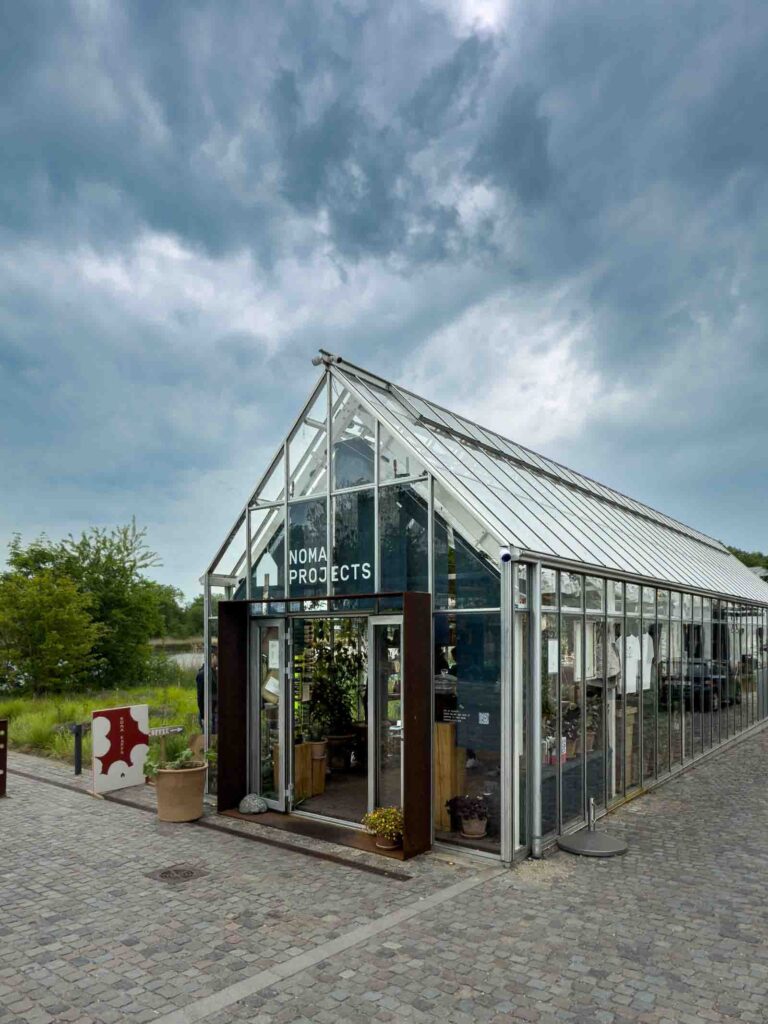
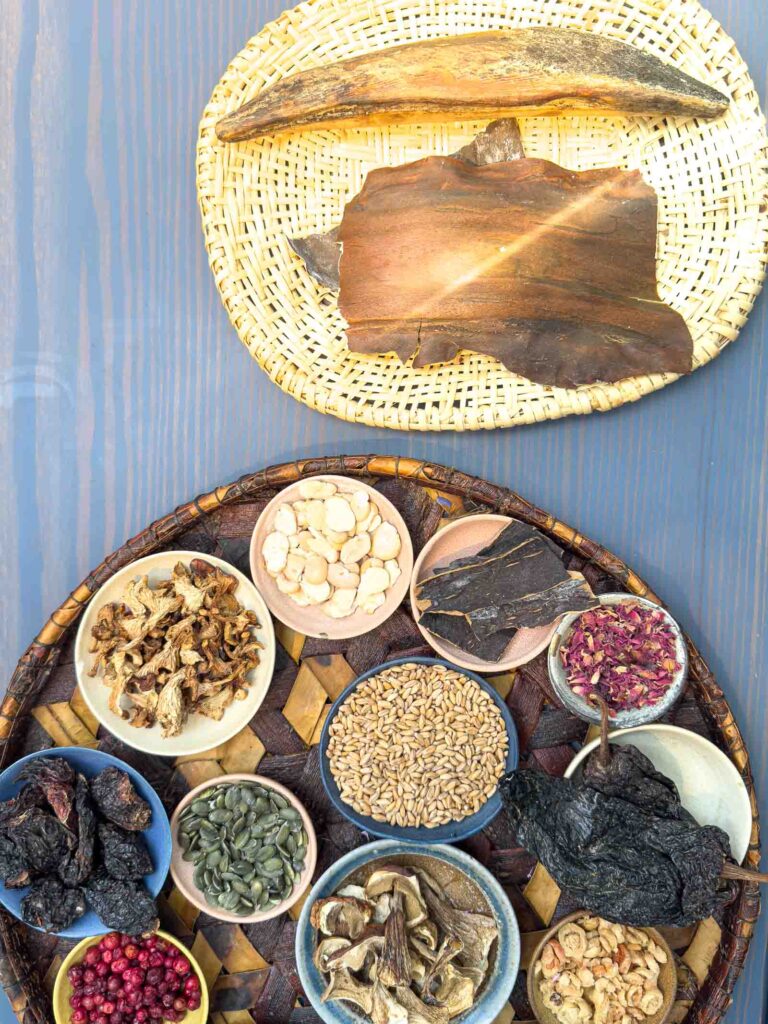
For me, it was another small piece of the city’s food culture rather than a destination meal. The rain started to settle in around this point, which turned out to be good timing because our next stop got us off the bikes and onto the water with Hey Captain.
Get on the Water With Hey Captain
By the time we boarded Hey Captain, Copenhagen had turned properly rainy. That might sound like terrible timing for a harbour tour, but being tucked into the small boat while the rain came down actually made the experience surprisingly cozy.

This was also my second time sailing with Hey Captain, and it reinforced why I recommend them over the larger sightseeing boats. Their approach is what they call social sailing: rather than simply delivering a memorized commentary, the captain gets the group talking, asks where everyone is from and uses those conversations to connect Copenhagen’s history, architecture and neighbourhoods to the people onboard.
It feels much less like sitting through a recorded tour and more like exploring the harbour with a knowledgeable local and a small group of travellers. Even after visiting Copenhagen several times, I was engaged throughout.
You can read my full Hey Captain Copenhagen boat tour review or check current Hey Captain tour options and availability.
The weather improved after we got off the boat, leaving us with a surprisingly nice ride home. Rainy Copenhagen hadn’t ruined the day after all.

Why I’d Make Time for Refshaleøen
If it’s your first Copenhagen visit, I understand the temptation to spend all three days around the historic centre.
I wouldn’t.
Refshaleøen gave me something I hadn’t really experienced during my earlier visits. It’s a glimpse of how Copenhagen continues to repurpose old industrial spaces while maintaining the casual outdoor lifestyle that makes the city so enjoyable in good weather.
Christiania, La Banchina, Reffen and the surrounding waterfront also work extremely well together as a cycling route.
If you only have 1 day in Copenhagen, I’d probably leave Refshaleøen for another visit unless you’ve already seen the major sights. With two or three days, however, I’d absolutely make room for it.
It’s now high on my list of the best things to do in Copenhagen.
Day 3: Explore Vesterbro, Kødbyen and Copenhagen at a Slower Pace
By day three, I’d deliberately slow things down.
If you’ve followed the first two days of this 3 days in Copenhagen itinerary, you’ve already covered many of the major Copenhagen must see attractions, explored the historic centre and spent a good chunk of time cycling around Christiania and Refshaleøen. Rather than packing the final day with another long list of sights, I’d use it to explore some of Copenhagen’s neighbourhoods and leave room for spontaneous stops.
That’s essentially what I did on my return visit. Because I’d already seen many of Copenhagen’s major attractions on previous trips, I didn’t feel the usual pressure to maximize every hour. We could ride somewhere because it looked interesting, stop for a drink because we liked the setting and change plans without feeling like we were missing something important.
It made me like Copenhagen even more.
Explore Vesterbro and Kødbyen
One of my favourite new discoveries was Vesterbro, particularly Kødbyen, Copenhagen’s Meatpacking District. I’d somehow missed properly exploring this area on my previous visits, which is surprising because it turned out to be exactly my kind of neighbourhood.
Kødbyen’s history is still visible in the buildings around you. The Brown Meatpacking District dates to the late 1800s, while the larger White Meatpacking District followed in the 1930s. Although the neighbourhood has evolved considerably, some food-related businesses remain alongside restaurants, bars, galleries and other creative spaces.
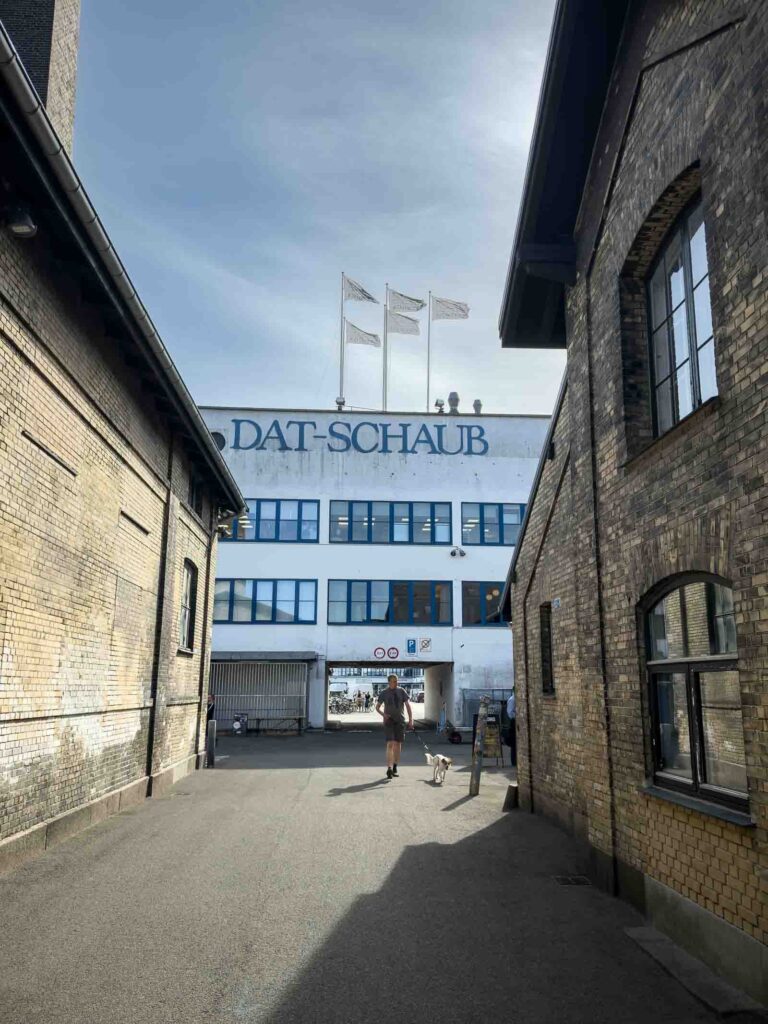
That’s what I liked about it. Kødbyen hasn’t completely hidden its industrial past beneath a polished entertainment district. The old buildings and utilitarian architecture are a big part of its personality.
Rather than arriving with a checklist, we wandered. We grabbed onigiri from Come, walked around the district and eventually settled onto the patio at Warpigs Brewpub for a beer.
This was one of those incredibly simple travel moments that I seem to enjoy more with every trip: old buildings, an interesting neighbourhood, a patio, a beer and people going about their day. No admission ticket required.
If you’ve already covered the top things to do in Copenhagen, I’d make time for an afternoon like this.
Have a Beer at Warpigs and Stay Awhile
Warpigs fit Kødbyen perfectly.
Rather than rushing in for a beer and moving on, we found a spot outside and hung out. The industrial surroundings are part of the experience, and this is somewhere I’d choose when I wanted a break from sightseeing rather than another attraction.
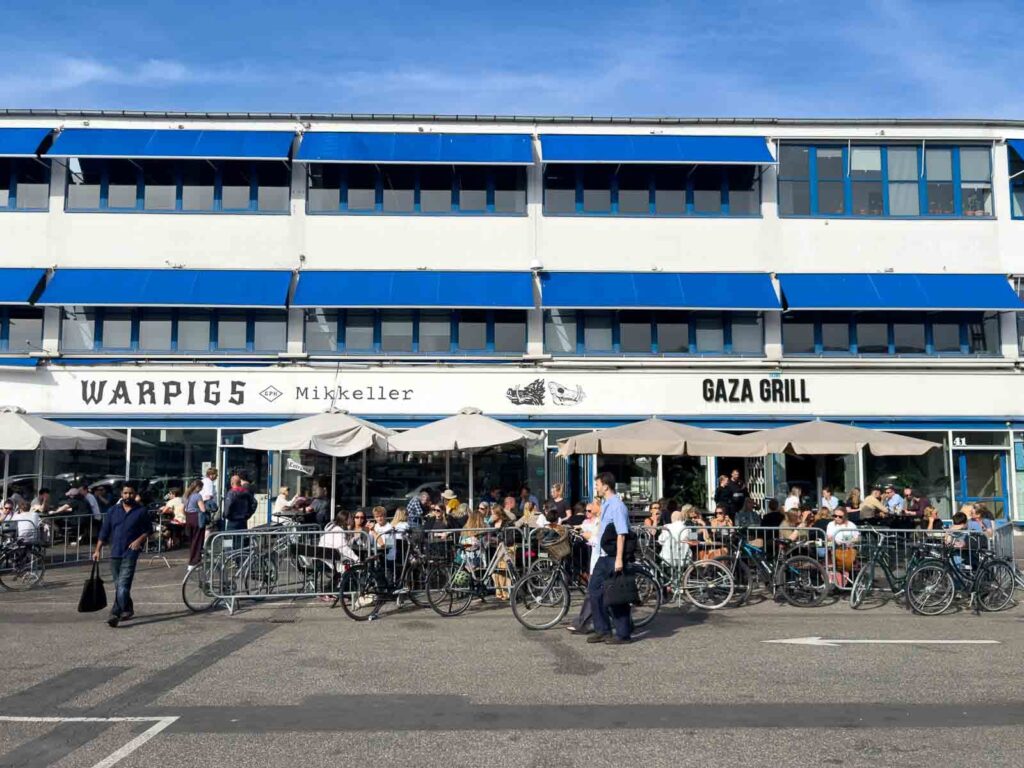
It also reinforced something I’d started noticing throughout this return trip. Some of my favourite moments weren’t necessarily the ones I could have put on an itinerary before arriving.
Cycling along the waterfront, eating outside, finding a good coffee shop or sitting in an old square with a drink became as memorable as visiting Copenhagen’s famous landmarks.
That’s a useful thing to remember when planning three days in Copenhagen. Leave yourself enough unscheduled time to actually enjoy the city you’re working so hard to see.
Wander Beyond the Meatpacking District
Don’t limit a Vesterbro visit to Kødbyen. Part of the fun is simply cycling or walking around the surrounding neighbourhood and seeing where you end up.
We continued eating our way through the area, including a stop at Ismageriet for ice cream. Pistachio was particularly memorable, but I’ll get into that—and the other places I’d recommend eating—in my Where to Eat in Copenhagen section below.
What matters for this itinerary is that Vesterbro works well without a rigid route. Stop when something looks good, explore the side streets and give yourself permission to linger.
This is also where having a bike really pays off. Instead of thinking about whether somewhere is worth a special Metro trip or a long walk, you can simply ride over and have a look.
Hunt for Copenhagen’s Old Telephone Kiosks
One of the more unexpected obsessions from this trip was Copenhagen’s old telephone kiosks.
I kept spotting these distinctive little A/S Københavns Telefonkiosker around the city. Originally built around the turn of the 20th century, they served Copenhagen during the early days of public telephone communication while also functioning as small street-level information and service points.
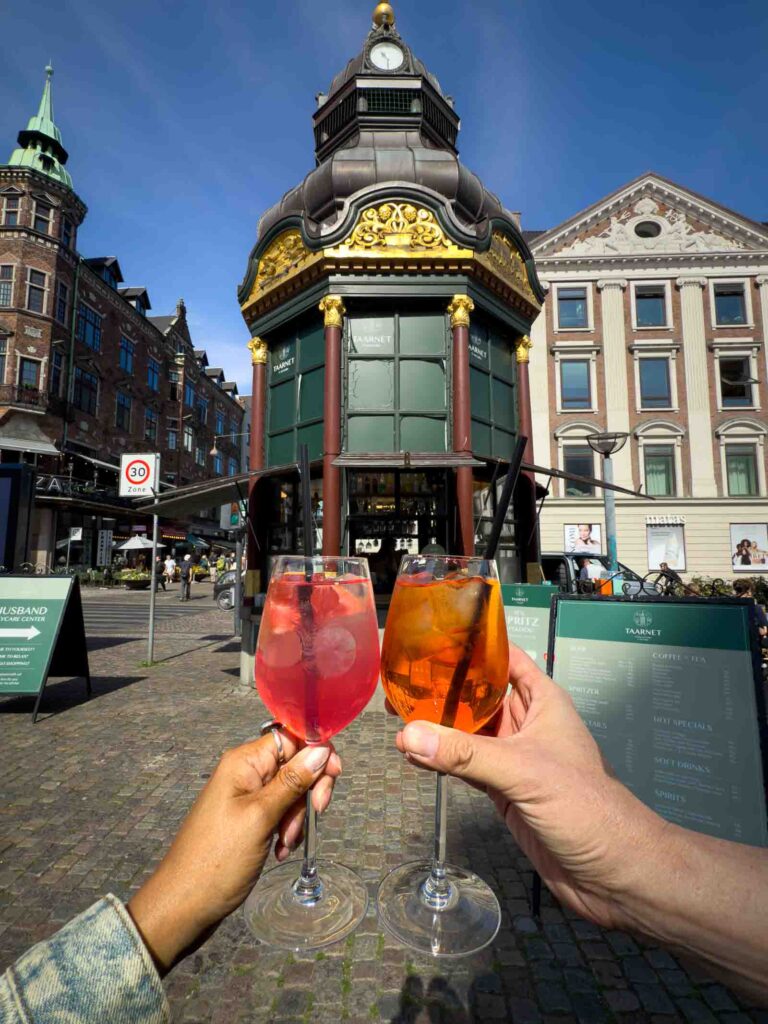
Of course, public telephone kiosks aren’t particularly useful anymore. Thankfully, Copenhagen found better things to do with some of them.
Several surviving kiosks have been repurposed as tiny cafés, bars and refreshment stands. Once I noticed them, I started looking for them everywhere. A coffee here, a cocktail there, another drink somewhere else—it became an accidental scavenger hunt.
I started referring to it as collecting telephone kiosks.
This is exactly the sort of quirky Copenhagen to do that I’d never have thought to search for before visiting. It also combines two things I love when travelling: interesting remnants of everyday history and adaptive reuse.
I’m planning a separate guide to Copenhagen’s old telephone kiosks once I’ve identified the individual kiosks from my photos and mapped out where to find them. When that’s live, I’ll link it here.
Until then, keep your eyes open as you explore. They’re easy to walk past if you don’t know what you’re looking for.
Embrace the Copenhagen Square Hang
The telephone kiosks also helped me put a name to another recurring theme from this visit: I love a good square hang.
Give me an attractive European square, interesting architecture, somewhere serving coffee, beer or cocktails and a decent place to people-watch, and I’m happy. I don’t necessarily need another attraction.
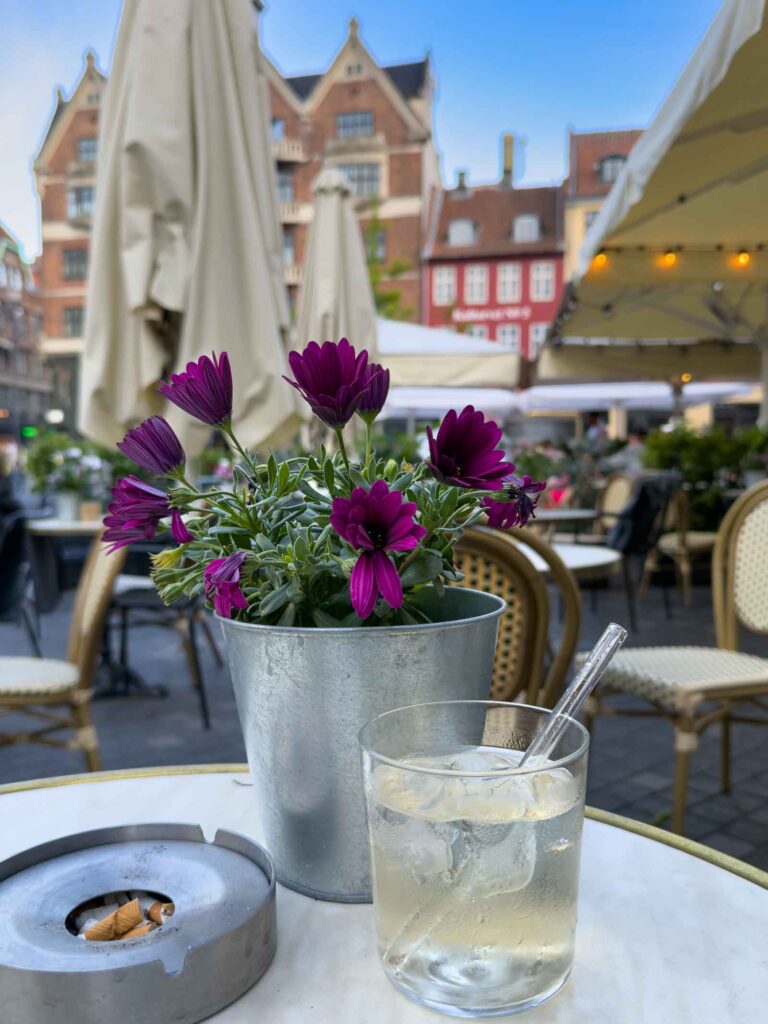
On my earlier Copenhagen trips, I was much more focused on seeing the city. Nyhavn, Tivoli, Christiania, the Round Tower, Carlsberg—there was always somewhere else to go.
This time, I was much happier simply being in Copenhagen.
That doesn’t mean I’d tell a first-time visitor to skip the major sights and spend three days sitting in squares drinking beer. You came all this way, so absolutely see the things that interest you. But don’t schedule your 3 days in Copenhagen so tightly that there’s no room for an afternoon to take an unexpected turn.
Why Cycling Made This Return Trip Better
Cycling is what tied this entire return visit together.
Instead of treating transportation as the time between attractions, riding through Copenhagen became part of the day itself. We cycled between neighbourhoods, bakeries, coffee shops, markets and waterfront areas, often deciding where to go next while we were already on the bikes.
One day took us from Christiania toward Refshaleøen, La Banchina and Reffen before eventually looping back toward the harbour. Another could just as easily involve Vesterbro, Kødbyen and the centre without feeling like you’re crossing half the city.
It changes how you experience Copenhagen. Distances feel smaller, spontaneous detours become easier and you start seeing far more of the everyday city between the famous sights.
That’s why renting a bike remains one of my best things to do in Copenhagen recommendations after multiple visits. If you’re nervous about navigating Copenhagen’s bike lanes independently, a guided Copenhagen culinary bike tour is another way to combine cycling with something you’re probably going to spend a lot of time doing here anyway: eating.
Seeing Copenhagen vs. Experiencing Copenhagen
Seeing Copenhagen vs. Experiencing Copenhagen
My earlier visits were largely about seeing Copenhagen. This trip gave me enough familiarity with the city to slow down and experience it instead.
I still revisited favourites like Christiania and the Round Tower, but some of the moments I remember most were much simpler: a great coffee, a cardamom croissant before getting on the bike, a beer beside the water and sitting in Kødbyen with nowhere urgent to be.
That slower pace was exactly what I wanted before picking up our VW ID. Buzz camper and beginning the much bigger drive north through Scandinavia toward Nordkapp.
More Things to Do in Copenhagen
Even with three days in Copenhagen, you won’t see everything. The itinerary above combines what I enjoyed most across my visits, but there are several other Copenhagen attractions I’ve experienced that are absolutely worth considering.
Depending on your interests, swap one or two of these into the itinerary rather than trying to cram them all in. That’s especially true of Tivoli and Carlsberg, which deserve enough time to actually enjoy them.
Relax in King’s Garden and Visit Rosenborg Castle
If you’re looking for some greenery between attractions, head to King’s Garden. Located beside Rosenborg Castle, it’s the oldest royal garden in Copenhagen and remains a popular green space right in the centre of the city.

I’ve always liked how green Copenhagen feels. Even when you’re covering the Copenhagen must see attractions in the centre, you’re never far from somewhere you can stop, sit down and escape the streets for a bit.
King’s Garden also makes Rosenborg Castle an easy two-for-one stop. If you’re interested in Danish royal history, tour the castle; otherwise, simply walking through the gardens and seeing Rosenborg from outside makes an easy addition while exploring central Copenhagen.

And given what I learned about myself on this latest trip, I’d resist the urge to rush through. Find a bench, enjoy the park and embrace the square-hang philosophy in garden form.
Walk Through City Hall Square and Strøget
City Hall Square is another stop from my original Copenhagen itinerary that’s easy to combine with other things rather than treating it as a standalone attraction. Copenhagen City Hall overlooks the square, with Tivoli Gardens just beyond it, and you’ll also find the Hans Christian Andersen statue looking toward Tivoli.

From here, continue onto Strøget, the pedestrian shopping route connecting the City Hall area with Kongens Nytorv. It runs for roughly 1.1 kilometres through central Copenhagen, but the shopping itself isn’t necessarily why I’d recommend it.
Instead, use Strøget as a route through the centre. Wander off onto the smaller streets and surrounding squares, look for those converted telephone kiosks I became obsessed with and stop when somewhere looks interesting. This is Copenhagen to do at your own pace rather than another attraction you need to check off a list.
Spend an Evening at Tivoli Gardens
Before there was Disneyland or Universal Studios, there was Tivoli Gardens.
Tivoli Gardens remains one of the best things to do in Copenhagen for a first visit, particularly if you’ve never experienced a historic European amusement park.
Tivoli opened in 1843, meaning Copenhageners were riding rides here more than a century before Disneyland opened. Part of its appeal is that it doesn’t feel like a modern theme park dropped into the middle of Copenhagen. Gardens, restaurants, entertainment and historic architecture are as much a part of the experience as the rides.
One of my favourites is Rutschebanen, Tivoli’s wooden roller coaster dating from 1914. It still operates with a brakeman onboard controlling the train—something you’re unlikely to encounter at your average amusement park.



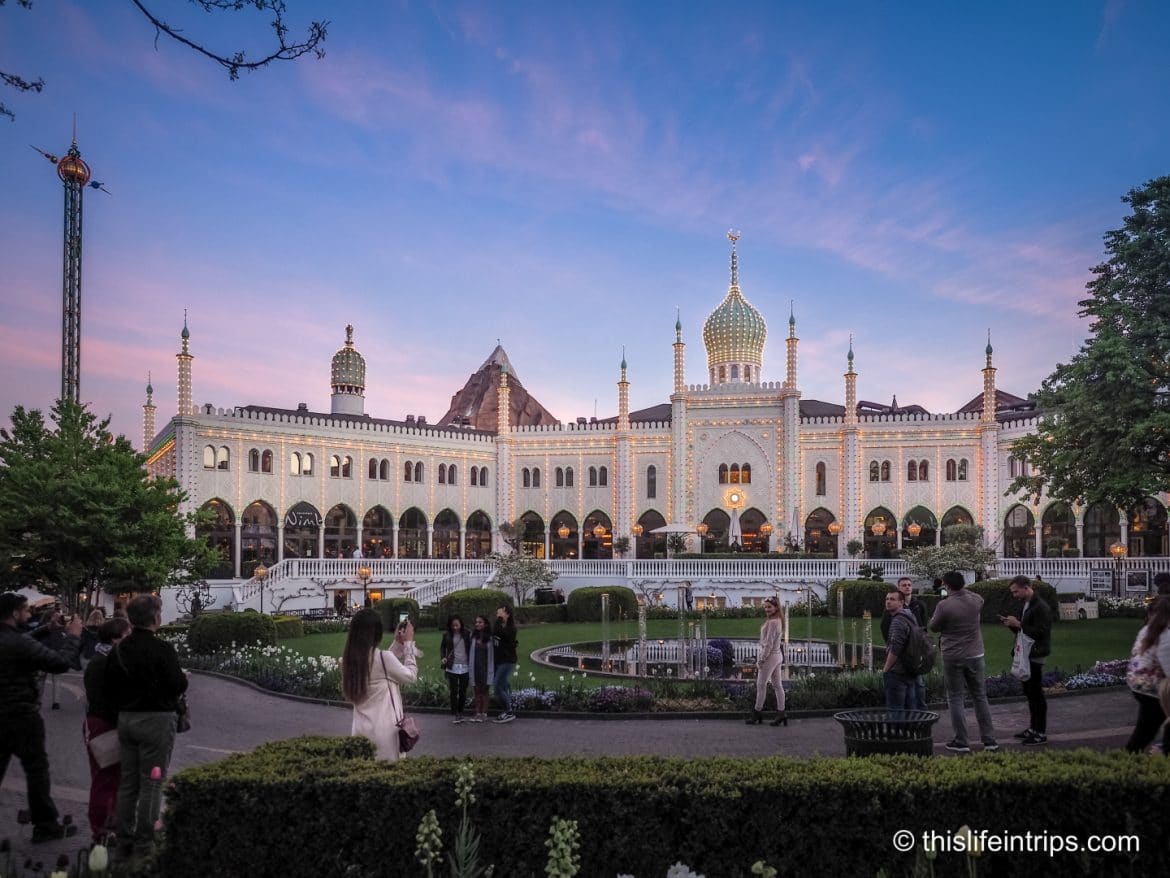

I’d save Tivoli for late afternoon or evening rather than sacrificing the middle of a sightseeing day. That gives you time to see the gardens in daylight, have something to eat and then experience the park illuminated after dark.
Tivoli is also seasonal, so check its operating calendar before building it into your 3 days in Copenhagen itinerary.
And if sleeping beside one of Copenhagen’s most famous attractions sounds appealing, check rates at Nimb Hotel, the distinctive luxury hotel located at Tivoli Gardens.
Revisit Copenhagen’s Carlsberg History
Beer was a big part of my earlier Copenhagen visit, particularly Carlsberg.

The visitor experience has changed considerably since then, so this is one recommendation that definitely needed updating. What I originally visited as the Carlsberg Brewery visitor attraction has since been transformed into Home of Carlsberg, an updated experience devoted to the brewery’s history, beer and the Jacobsen family behind it.




READ MORE: Tips on Visiting Carlsberg Brewery
My original visit included plenty of Carlsberg history, beer and an impressive collection of unopened beer bottles. While the visitor experience has evolved, I still think the Carlsberg story is worthwhile if you’re interested in beer or Danish industrial history.
I’ve kept my original experience in my separate guide to visiting the Carlsberg Brewery in Copenhagen. Just keep in mind that the attraction you’ll encounter today is the newer Home of Carlsberg experience rather than exactly what I toured on that earlier trip.
Pair Carlsberg With Cisternerne
One of the more unusual combinations from my original visit was heading from Carlsberg to nearby Søndermarken and Cisternerne.
Cisternerne was once part of Copenhagen’s underground water-supply system. Today, the enormous subterranean space beneath Søndermarken is used for contemporary art installations.

Calling it atmospheric doesn’t really cover it.
The underground setting is dark, damp and slightly eerie, which is precisely what makes seeing art there so interesting. Exhibitions change, so I’d check what’s currently installed before visiting rather than going with expectations based on an old photo or review.
Carlsberg and Cisternerne also work well together geographically. If either appeals to you, combining them gives you a reason to spend part of the day beyond Copenhagen’s historic centre.
What Should You Skip if You Only Have a Copenhagen 2 Day Itinerary?
With a Copenhagen 2 day itinerary, don’t try to squeeze every recommendation in this guide into 48 hours. I’d spend the first day around Nyhavn, Amalienborg, the Round Tower and central Copenhagen, then use your second day for the experiences that best match your interests.
That might mean Christiania and Refshaleøen by bike, Tivoli and Vesterbro, or a food-heavy day with Torvehallerne and Kødbyen. I’d also make room for a Hey Captain canal tour, particularly if it’s your first visit, because seeing Copenhagen from the harbour covers a surprising amount of the city without requiring you to race around it.
Three days gives you much more breathing room. That’s ultimately why I continue to recommend it: you can cover the top things to do in Copenhagen while still having enough time for the coffee, pastries, patios, markets and aimless wandering that made me enjoy the city even more on my return.
Where to Stay in Copenhagen
Where to stay in Copenhagen depends on how you plan to explore the city. For a first visit, staying relatively central makes it easy to walk to many of the major sights. After this latest trip, though, I wouldn’t hesitate to stay slightly outside the tourist centre if you have easy access to the Metro or a bike.
I’ve now stayed in very different Copenhagen accommodations, from a hostel on an earlier visit to Zoku Copenhagen this time around. Rather than pretending there’s one best hotel for everyone, these are the places I’d consider depending on your budget, location and travel style.
Zoku Copenhagen: Where I Stayed This Time
On my latest three days in Copenhagen, I stayed at Zoku Copenhagen, a hotel and social-living concept outside the busiest part of downtown. For this particular trip, I really liked the location because I wasn’t interested in spending all three days walking between the same central attractions I’d already visited.
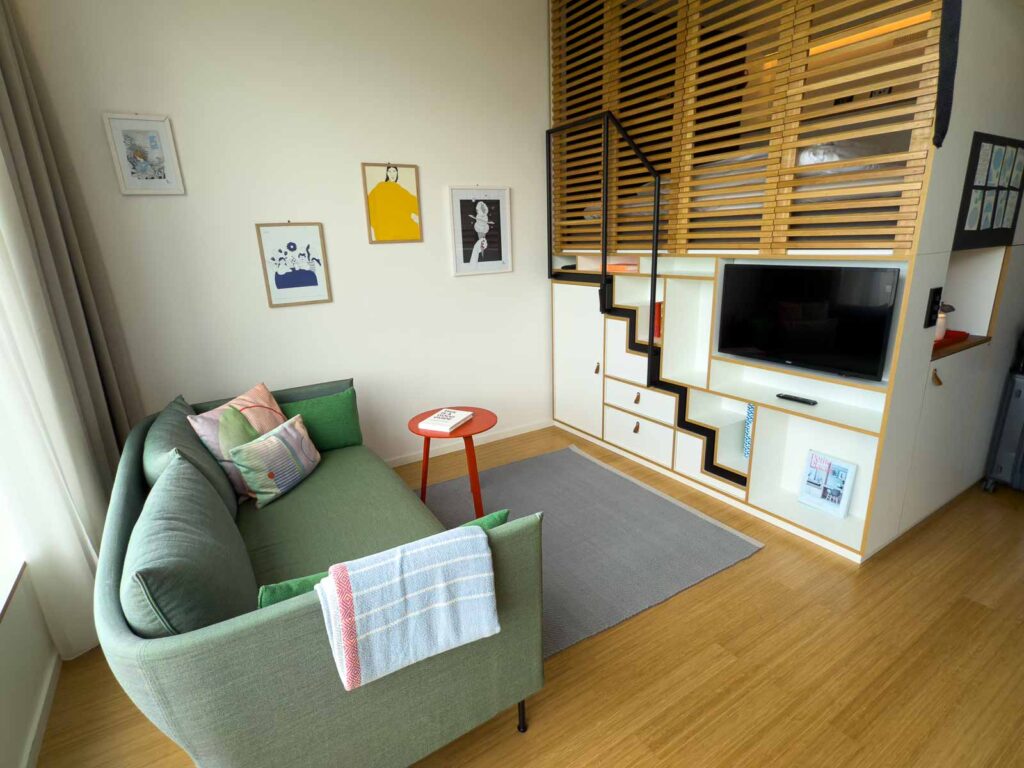
The rooms are cleverly designed around a loft concept, making much better use of the available space than a typical hotel room. Zoku also puts considerable emphasis on its communal areas, with spaces designed for working, eating, drinking and hanging out rather than simply giving guests a lobby to walk through.
One of my favourite features was the rooftop area, with a patio, lounge and restaurant space that made the hotel somewhere you could actually spend time. They also had bikes available to rent, which was a major plus for this visit. Having a bike made it easy to head toward Christiania, Refshaleøen, Vesterbro and the other neighbourhoods I wanted to explore without constantly thinking about transportation.
I did have one issue: the air conditioning in my room didn’t work particularly well, and the room became uncomfortably warm. I’d still stay at Zoku again because I liked the design, atmosphere and location, but during warmer weather I’d make sure the AC is working properly as soon as you check in rather than discovering the problem when you’re trying to sleep.
Overall, Zoku was a particularly good fit for this slower return visit. If you like apartment-style rooms, communal spaces and being able to hop on a bike rather than staying directly among Copenhagen’s busiest tourist streets, it’s worth considering.
Steel House Copenhagen: My Previous Stay
Steel House Copenhagen: My Previous Stay
On an earlier three days in Copenhagen visit, I stayed at Steel House Copenhagen, a modern property that bills itself as a luxury hostel.
The city was hosting the World Cup of Hockey at the time, accommodation was expensive and I ended up booking a dorm. I arrived sleepy and ready to crash only to discover someone already occupying my assigned bunk. Rather than sorting it out, I decided on the spot that perhaps my dorm-room days were behind me and upgraded to a considerably more expensive private room.

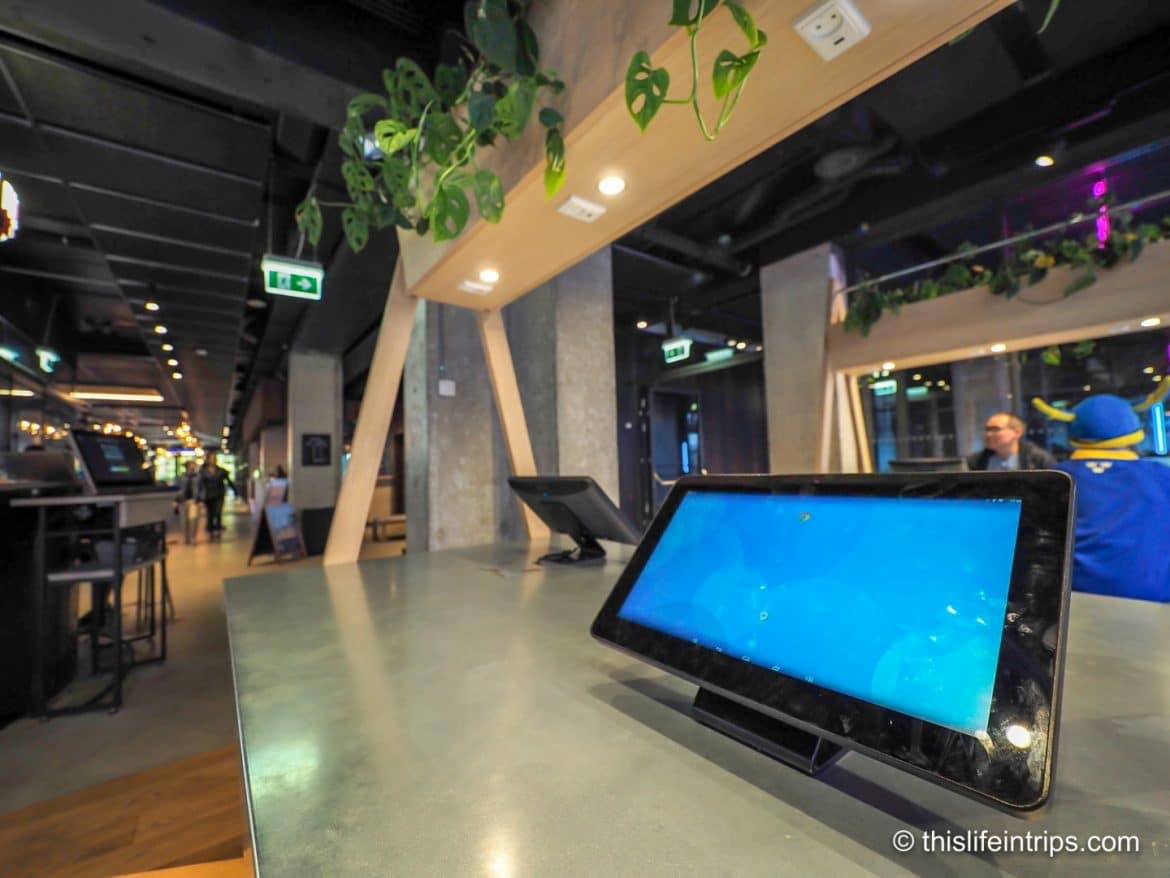
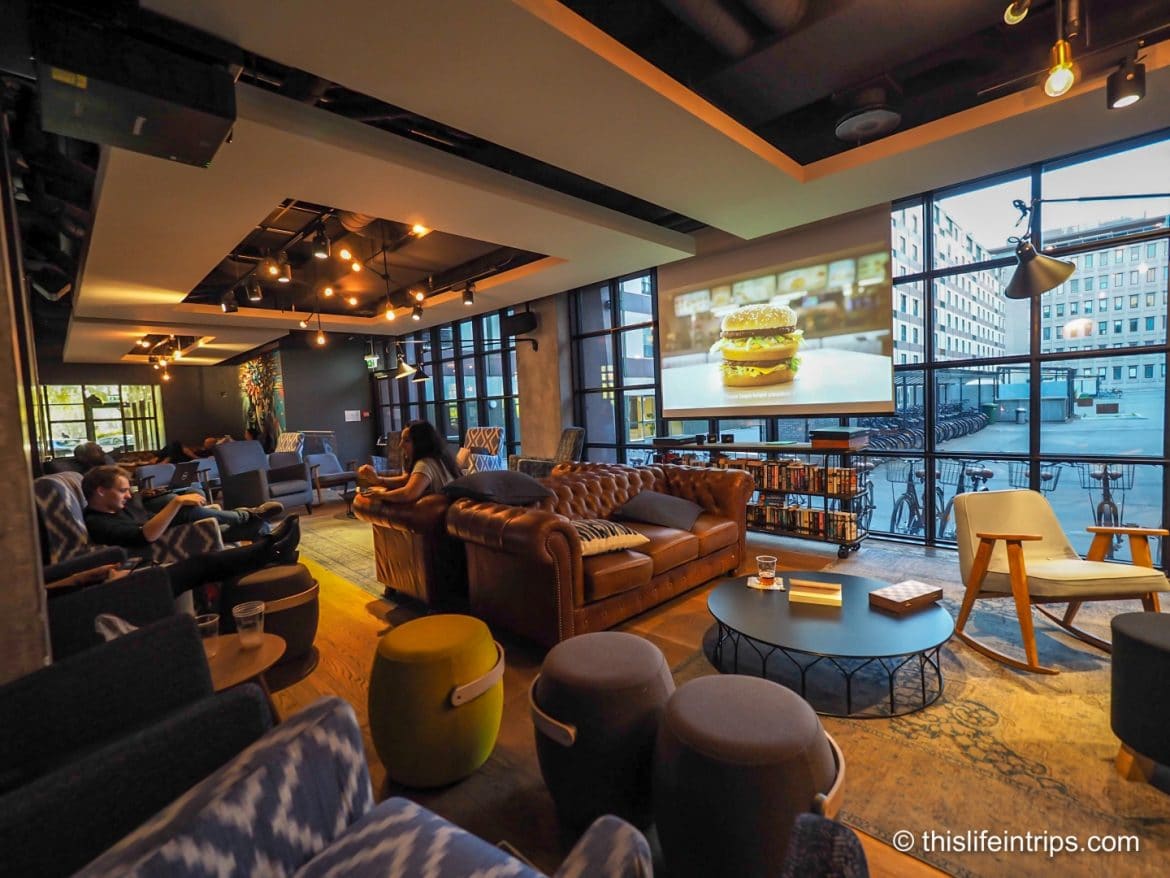
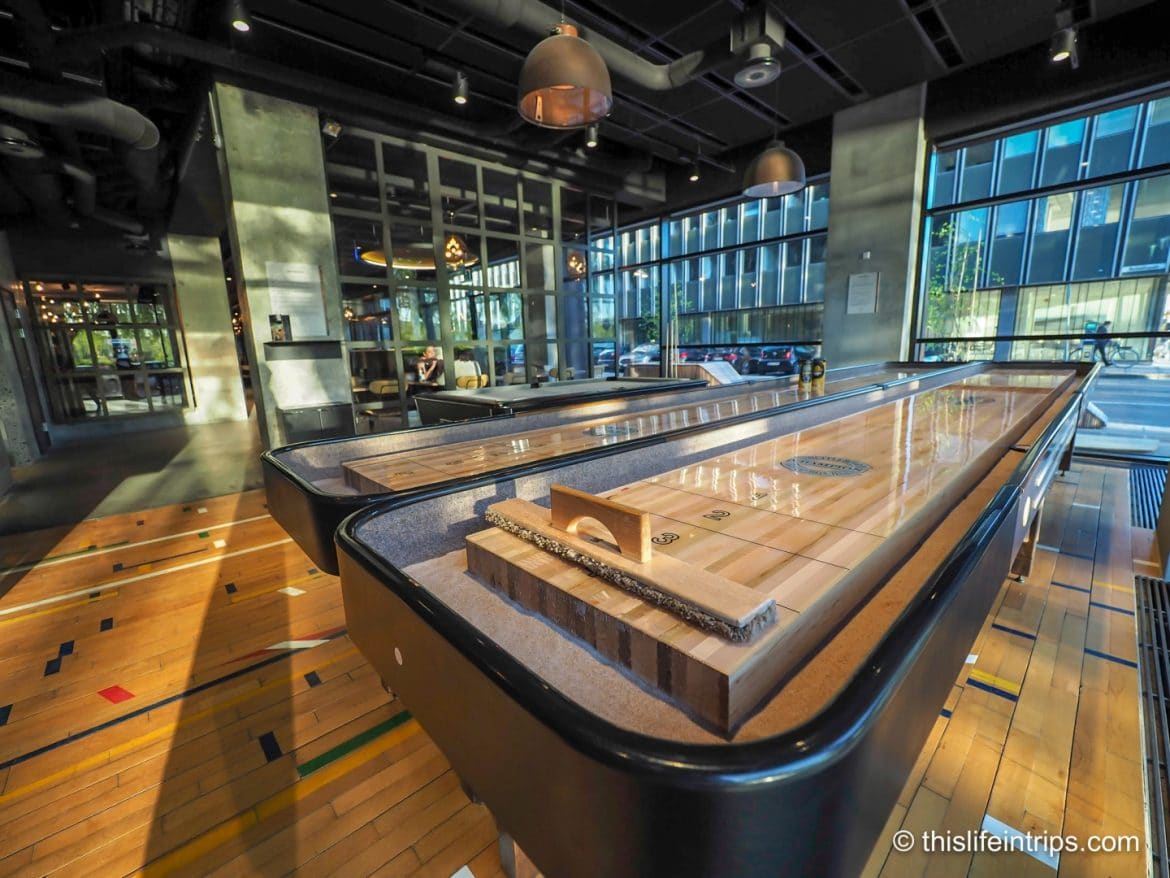
That part wasn’t Steel House’s fault, and the upgrade actually worked out well. The private room was small but modern and comfortable, while the property had far more amenities than I associate with a traditional hostel, including a gym, pool, bar and movie theatre.
Its location also works well for a short Copenhagen trip, particularly if you want easy access to the centre and Vesterbro. If you’re comfortable with hostel-style accommodation, the dorms can help keep costs down; if you’ve reached the same stage of life I apparently had that night, check the private-room prices instead.
→ Check current rates at Steel House Copenhagen
Wakeup Copenhagen: A Budget-Friendly Hotel Alternative
If a hostel isn’t your thing but you’re still watching accommodation costs, Wakeup Copenhagen is another option worth checking. The brand focuses on compact, modern rooms and has multiple Copenhagen locations, allowing you to choose based on where you want to spend most of your time.
Wakeup Copenhagen Borgergade is the location I’d look at if sightseeing is your priority. It’s centrally positioned for exploring areas around Nyhavn, Kongens Nytorv, Amalienborg and the historic centre.
Wakeup Copenhagen Carsten Niebuhrs Gade puts you closer to Copenhagen Central Station, Tivoli and Vesterbro. That makes it particularly interesting if you’re following this itinerary and want easy access to Kødbyen as well as the major central attractions.
You can also compare Wakeup Copenhagen locations and rates before deciding which property works best for your itinerary.
Copenhagen Downtown Hostel

Another central budget option is Copenhagen Downtown Hostel. Its location makes it particularly convenient if you want to spend most of your first visit exploring Copenhagen on foot and don’t mind a more social hostel environment.
I’d compare it directly with Steel House rather than automatically choosing whichever appears cheaper. Location, room type and the kind of hostel atmosphere you prefer can matter more than a small difference in nightly price.
→ Check rates at Copenhagen Downtown Hostel
Nimb Hotel: The Splurge
At the opposite end of the budget spectrum is Nimb Hotel.
Sitting at Tivoli Gardens, Nimb is the option I’d consider if the hotel itself is going to be part of the Copenhagen experience. Its distinctive Moorish-inspired façade is hard to miss, and the location puts Tivoli and Copenhagen Central Station immediately at your doorstep.
It’s obviously a very different proposition from Zoku, Steel House or Wakeup Copenhagen. This is the splurge option rather than somewhere I’d recommend to travellers primarily looking for a bed between long days of sightseeing.
For a special occasion—or if you’ve simply decided Copenhagen is the place to blow the hotel budget—check current rates at Nimb Hotel.
Which Copenhagen Area Would I Choose?
For a first visit focused on Copenhagen must see attractions, I’d stay reasonably central. Being able to walk or bike to Nyhavn, the Round Tower, Tivoli and the surrounding historic centre makes a short trip considerably easier.
For a return visit, I’d broaden the search. Staying somewhere such as Zoku worked well for me because cycling was part of the experience, while Vesterbro would be high on my list after spending more time around Kødbyen on this trip.
Whatever you choose, don’t get too hung up on being beside one particular attraction. Copenhagen is compact, public transportation is good and getting around by bike is part of the fun.
For the best time to visit Copenhagen, I’d personally favour the warmer months if cycling, patios, Reffen and long evenings outdoors are priorities. Just remember that summer popularity can also mean higher accommodation prices, so I’d compare hotels before locking in your dates.
Where to Eat in Copenhagen
After several visits, where to eat in Copenhagen has become almost as important to me as what to see. My earlier trips introduced me to Danish staples like smørrebrød and pølse, while this return visit added some of my favourite meals yet.

I wouldn’t spend three days eating only traditional Danish food. Copenhagen’s food scene is far too interesting for that. I’d mix the classics with some of the newer places I loved, leave room for bakeries and coffee, and avoid booking every meal so you can still follow your stomach when something looks good.
For more background before you go, I have a separate guide to understanding Copenhagen’s food scene.
Slurp Ramen Joint: My Favourite New Restaurant
Slurp Ramen Joint: My Favourite New Restaurant
Slurp Ramen Joint gets one of my strongest recommendations from this return trip for a very simple reason: I ate there twice in three days.
I’ll admit I was initially skeptical about going for ramen in Copenhagen. Japanese food might sound like an odd choice when you’ve travelled all the way to Scandinavia and only have a few days to eat your way through the city. But Copenhagen has such a strong food scene—and generally such high standards when it comes to ingredients, technique and restaurants—that limiting yourself to traditionally Danish food would mean missing a big part of what makes eating here so interesting.
Slurp proved the point. I rarely repeat restaurants on a short trip because there are always more places I want to try, but after my first bowl, I wanted to go back.
Slurp Ramen Joint opened its original small Nansensgade restaurant in 2017 and has since added a second location on Borgergade. They make their noodles in-house and build their ramen around slow-cooked broths, but you don’t need to know any of that to understand my recommendation.
I went once, loved it and went back.
If you’re looking for one casual meal to add to your 3 days in Copenhagen itinerary, Slurp would be high on my list—even if ramen wasn’t what you pictured yourself eating in Denmark.
Come for Onigiri in Vesterbro
Come was another favourite from the new trip and another example of why I stopped questioning whether I should be eating Japanese food in Scandinavia.
I had the same initial hesitation here: I’m in Copenhagen, should I really be eating onigiri instead of something Danish? The answer turned out to be yes.
Copenhagen’s reputation as a serious food city isn’t limited to New Nordic cuisine or Michelin-starred restaurants. That attention to good ingredients and well-made food carries into much more casual and international places as well, and Come fit perfectly into that side of the city.
We stopped for onigiri while exploring Vesterbro and Kødbyen, and it was exactly the kind of quick, satisfying food that works when you don’t want lunch to interrupt an entire afternoon.
I wouldn’t necessarily cross Copenhagen solely for an onigiri stop, but if you’re following my Day 3 route through the Meatpacking District, I’d absolutely work Come into it. Grab something to eat, continue wandering Kødbyen and then settle in somewhere for a beer.
Slurp and Come also changed how I’d answer the question of where to eat in Copenhagen. Yes, try the smørrebrød, pølse and pastries—you should. But don’t assume that travelling to Denmark means every meal needs to be Danish. Copenhagen’s broader food scene is too good to restrict yourself that way.
Try a Danish Build-Your-Own Brunch
One of my favourite food experiences from this trip was my first proper Danish-style brunch. Instead of ordering one enormous plate, I chose several smaller dishes to build my own breakfast from a mixture of breads, cheese, eggs, yogurt-style dishes, meats, and sweet and savoury options.
I loved the format. Choosing five to seven little dishes means you can try several things without committing your entire breakfast to one choice, and it naturally turns brunch into a slower meal.

Unfortunately, I didn’t record the name of the restaurant where I had mine, so I’m not going to pretend I did. If you want to try the same concept, Wulff & Konstali is a current option I’d look at. Their brunch lets you select five or seven small dishes from a larger menu, including eggs, cheese, yogurt and baked goods.
That’s exactly the style of brunch I’d make room for on a Copenhagen morning. Don’t schedule your next attraction 45 minutes later. Have another coffee and enjoy it.
Hallernes Smørrebrød at Torvehallerne
For something traditionally Danish, smørrebrød remains a must for me.
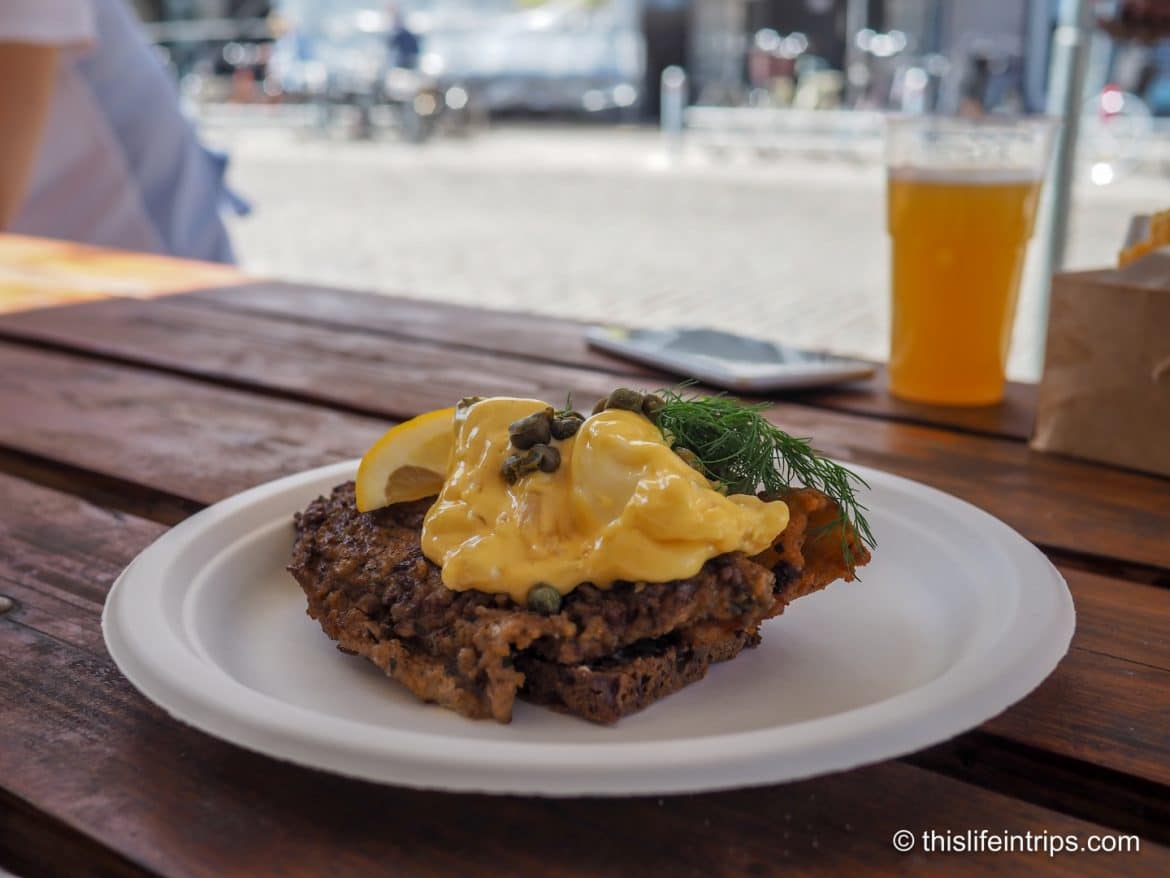
On an earlier trip, Hallernes Smørrebrød at Torvehallerne was one of my favourites. I worked my way through several of their open-faced sandwiches, including versions with salmon, shrimp and egg, and fried fish.
Hallernes is still at Torvehallerne, so this is one original recommendation I’m happy to keep in the updated guide. Better yet, my latest trip gave me another reason to recommend the market itself.




Instead of simply wandering around Torvehallerne looking at the stalls, we bought cheeses, cured meats and other things that caught our attention from different vendors and assembled our own charcuterie-style lunch.
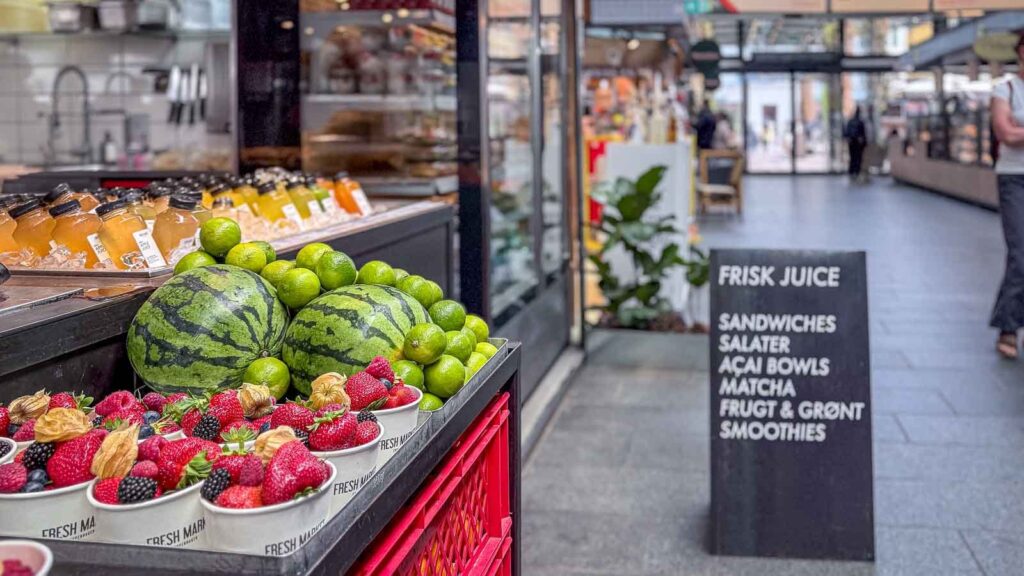
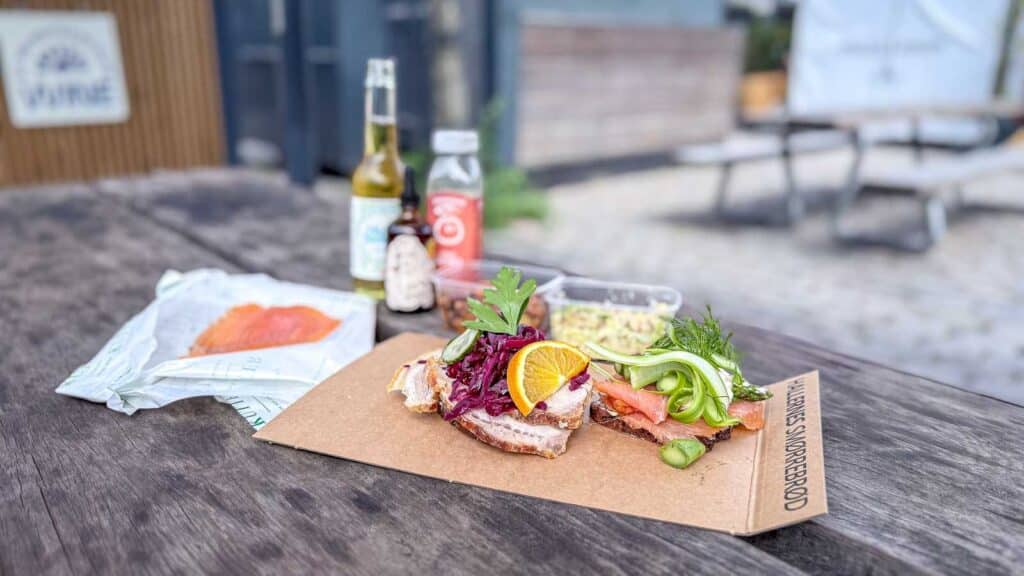
My advice is to do both. Try some smørrebrød and then explore the market rather than treating Torvehallerne as a sightseeing stop. Come hungry.
Grød: Porridge Is More Interesting Than It Sounds
Grød was another discovery from an earlier visit that changed my opinion about something I thought I already understood.

Porridge doesn’t exactly scream exciting Copenhagen meal, but Grød takes the basic idea and gets considerably more creative with it. I tried a savoury curry-style version topped with salted almonds, cherry tomatoes and fresh cilantro, while sweeter combinations featured ingredients such as yogurt, berries and fruit compotes.
It was memorable precisely because it wasn’t something I would have sought out before visiting. Copenhagen has a knack for taking relatively simple foods and making you reconsider them.
Get a Danish Hot Dog at DØP
A Danish pølse is another Copenhagen food experience I’d keep on the list, particularly because it works so easily around sightseeing.
DØP near the Round Tower became my favourite hot dog stop on an earlier visit. On this return trip, revisiting Rundetaarn gave me the perfect excuse for another Danish hot dog afterward.

I’d just climbed the tower. I’d earned it.
This is one of the easiest inexpensive meals to work into a sightseeing day. If you’re short on time—or putting together a 1 day in Copenhagen itinerary—you can visit the Round Tower and grab a hot dog afterward without adding another restaurant detour.
Winterspring Has Closed — Go to Ismageriet Instead
(Updated for 2026)
Winterspring was my ice cream recommendation in the original version of this guide, but it has since closed. It doesn’t make sense to keep sending readers somewhere based solely on a good experience I had years ago.

Thankfully, I found a replacement on this trip.
I stopped at Ismageriet and particularly enjoyed the pistachio. They have multiple Copenhagen locations, including one in Kødbyen, which makes it especially easy to combine with the Vesterbro portion of this itinerary.
If you’re following Day 3, that makes for a pretty good progression: explore the Meatpacking District, grab something casual to eat, have a beer and finish with ice cream.
Don’t Ignore Copenhagen’s Beer Scene
Carlsberg is the obvious Danish beer name, and my earlier Copenhagen visit included a trip to the historic brewery complex. That visitor attraction has since evolved into Home of Carlsberg, but you can still read about my original experience in my guide to visiting the Carlsberg Brewery in Copenhagen.

For craft beer, Mikkeller Bar was one of my favourites from an earlier visit. I particularly enjoyed ordering smaller pours and sampling several beers rather than committing to a full pint each time. A fellow Canadian I met there was attempting roughly the same strategy with full-sized beers, which was considerably more ambitious.

On this return visit, Warpigs in Kødbyen provided the memorable beer stop. I’ve already covered that afternoon in Day 3, so I won’t repeat it here, other than to say that Copenhagen does patio-and-beer time exceptionally well.
Make Time for Copenhagen Coffee, Bakeries and Pastries
Coffee and baked goods became such a significant part of this latest visit that they ended up getting their own guide.
Norange was the standout. In my opinion, it served the best coffee in Copenhagen that I tried and my favourite cup of the entire Scandinavia trip. It also produced one of my favourite little moments when my travel partner asked for sugar and the staff seemed genuinely confused by the request. There wasn’t any—the milk, we were told, would make the coffee sweet enough.
They were right.

Meyers Bageri was another good stop for Danish baked goods, while a cardamom croissant from Hart Bageri provided excellent fuel before one of our days on the bikes.
I’ve gone into much more detail in my guide to the best coffee in Copenhagen, including cafes, bakeries and pastries I tried. It includes my firsthand recommendations, a few other Copenhagen specialty-coffee shops worth knowing about, Danish brunch and what I learned about the city’s Scandinavian-style coffee culture.
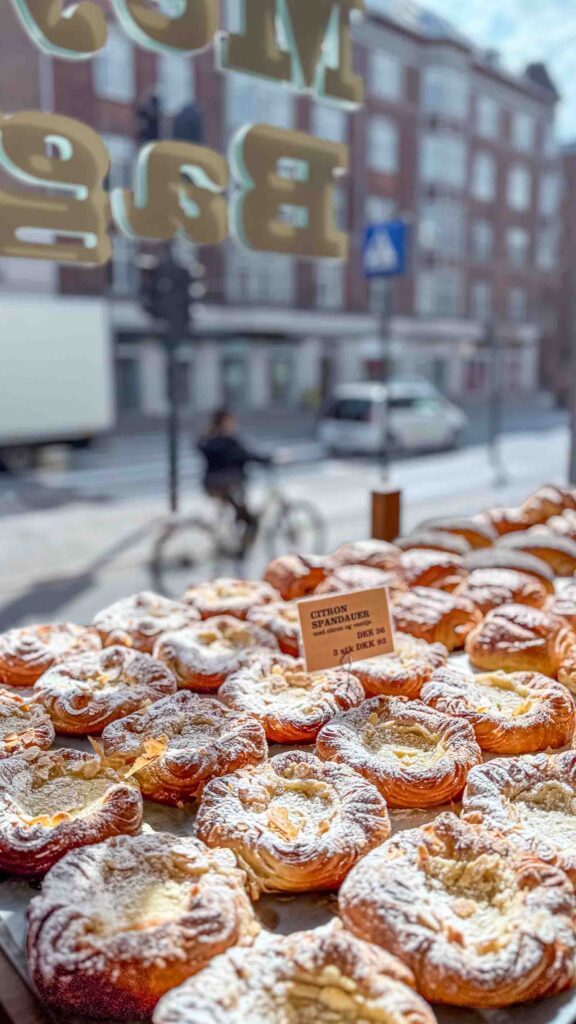
If coffee and pastries are anywhere near as important to your travels as they are to mine, give that guide a read before deciding where to stop during your three days in Copenhagen.What Would I Prioritize?
If it’s your first trip and you only have three days in Copenhagen, I wouldn’t try to eat at every place above. I’d prioritize one traditional smørrebrød meal, a Danish hot dog, a proper bakery stop and at least one meal that shows off Copenhagen’s more international food scene.
From this latest visit, Slurp would be my strongest new casual restaurant recommendation. I’d also make time for the Danish brunch experience, especially if you enjoy long breakfasts, and I’d use an afternoon in Vesterbro to sample places like Come and Ismageriet without turning them into separate trips across town.
Most importantly, leave a couple of meals unplanned. Some of my best food experiences in Copenhagen happened because I was hungry, somewhere looked good and I went in.
Best Time to Visit Copenhagen
The best time to visit Copenhagen depends on what you want to do, but after multiple visits, I’d give summer the edge—particularly if you want to experience the city the way I did on this latest trip.
Copenhagen is a city I like exploring outdoors. Cycling between neighbourhoods, sitting on patios, eating at Reffen, having a beer beside the water and stopping in parks and squares were some of the highlights of my return visit. Longer summer days make it much easier to enjoy that side of the city without constantly watching the clock.
June through August generally brings Copenhagen’s warmest weather, but don’t mistake that for guaranteed sunshine. We still ended up cycling and taking our Hey Captain harbour tour in the rain. Thankfully, the weather improved afterward, and the rain actually made the small boat feel surprisingly cozy.
I’d pack a light waterproof layer regardless of what the forecast says.
Is Summer the Best Time to Visit Copenhagen?
For the itinerary in this guide, I’d say yes. Summer is particularly well suited to cycling, exploring Refshaleøen, spending an evening at Reffen and enjoying Copenhagen’s outdoor drinking and dining culture.
The trade-off is that summer is also a popular time to visit. Hotels can be more expensive, and major attractions and central areas such as Nyhavn will naturally be busier. Booking accommodation earlier gives you a better chance of finding something reasonably priced in the area you actually want to stay.
Spring and early fall can be good alternatives if you’d rather trade some warmth and daylight for fewer peak-season crowds. I’d still happily visit Copenhagen during these shoulder periods, but I’d pay closer attention to opening hours for seasonal attractions and outdoor venues.
Winter is a very different Copenhagen experience. The colder temperatures and shorter days make the cycling-and-waterfront version of this itinerary less appealing to me, although Christmas markets, decorated streets, cozy cafés and seasonal events give you other reasons to visit.
Check Seasonal Attractions Before You Book
One reason there isn’t a single perfect month for three days in Copenhagen is that some of the experiences in this guide are seasonal.
Tivoli Gardens operates different seasons throughout the year rather than simply remaining open in exactly the same format every day. Reffen also has a strong seasonal component, and outdoor restaurants, patios and waterfront spots can adjust their schedules as the weather changes.
Before booking around one specific attraction, check the current schedule rather than relying on an itinerary—including this one—that may have been written months before your trip. The official VisitCopenhagen events calendar is a useful authority source for checking what’s happening during your dates.
If your dates are flexible, I’d start by comparing cheap flights to Copenhagen and accommodation prices before committing to a specific weekend. Sometimes shifting a trip by a few days can make more sense than choosing a month based solely on average weather.
For me, though, the deciding factor is how much of Copenhagen I want to experience outside. If cycling between neighbourhoods, lingering over patio beers and spending long evenings by the water sounds like your kind of trip, I’d choose late spring through summer.
Getting Around Copenhagen: Bike, Walk or Take the Metro?
One reason three days in Copenhagen works so well is that getting around is relatively easy. You can cover a surprising amount of the centre on foot, public transportation fills in the gaps, and once you’re comfortable cycling, a bike opens up neighbourhoods that might otherwise feel just far enough away to skip.
After this latest visit, cycling would be my first choice.
Rent a Bike in Copenhagen
Copenhagen is one of those rare cities where getting from one attraction to another can become part of the experience rather than simply transportation.
On my earlier visits, I already knew cycling was one of the best ways to explore the city. This time, having bikes changed the entire rhythm of our three days in Copenhagen. We could leave the centre, ride through Christiania, continue toward Refshaleøen, stop at La Banchina and Reffen and still make our way back toward the harbour without feeling like we’d spent the day commuting.
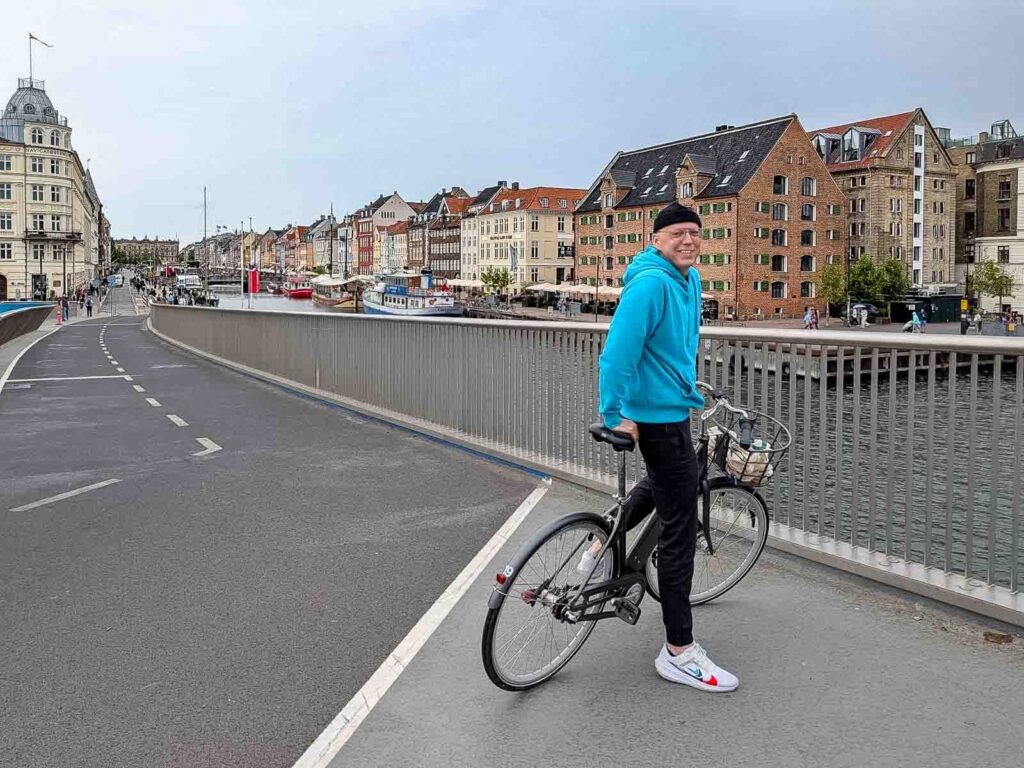
The same applied to Vesterbro and Kødbyen. If somewhere sounded interesting, getting there rarely felt like a major commitment.
That freedom was a big reason this visit felt less like following an itinerary and more like actually spending time in Copenhagen.
If you aren’t completely comfortable navigating the bike lanes independently, pay attention to how locals ride before jumping in. Copenhagen’s cycling infrastructure is excellent, but these are functional commuter routes, not leisurely bike paths filled exclusively with tourists. Be predictable, stay aware of other cyclists and don’t stop in the middle of a bike lane to check Google Maps.
For something more structured, this Copenhagen culinary bike tour combines cycling with stops focused on the city’s food scene. It’s a good option if you want to get comfortable travelling around by bike while also having a local guide provide some context.
Copenhagen Is Also Easy to Explore on Foot
You don’t need a bike for everything. Much of Day 1 works perfectly well on foot, particularly around Nyhavn, Amalienborg, Strøget, the Round Tower, King’s Garden and the historic centre.
In fact, walking is often better in the centre because you’ll notice the smaller streets, courtyards, cafés and old telephone kiosks that are easy to miss when you’re concentrating on bike traffic.
I’d use a combination: walk when several sights are clustered together and grab a bike when you want to explore farther out.
Use the Metro for Longer Hops
Copenhagen’s Metro is useful when your destination doesn’t fit naturally into a walking or cycling route, and it’s particularly convenient for getting between Copenhagen Airport and the city.
For this three-day itinerary, I wouldn’t build every day around public transportation. One of Copenhagen’s strengths is how much you can see while moving between places under your own power. But having the Metro available means there’s no reason to force yourself into a long walk when you’re tired, it’s raining or you’ve spent considerably longer at a bar than originally planned.
If you’re flying through Copenhagen rather than immediately heading into the city, I’ve also reviewed the SAS Copenhagen Lounge at CPH after returning to see the completed space following its earlier renovations.
Do You Need a Rental Car in Copenhagen?
No. For the three days in Copenhagen itinerary in this guide, I wouldn’t rent a car.
Between walking, cycling and public transportation, having a vehicle in the city would add an expense without providing much benefit. Parking and navigating city streets are things I’d rather not deal with when Copenhagen already gives you easier alternatives.
A rental car starts making more sense if Copenhagen is the beginning rather than the entirety of your trip.
That’s essentially what happened on this latest visit. After three days eating, drinking and cycling around Copenhagen, I picked up a VW ID. Buzz camper from Cabin Campers and started driving north through Scandinavia toward Nordkapp.
It was a fun contrast: three days deliberately avoiding a car followed by a road trip where the vehicle became a major part of the adventure.
If you’re planning your own road trip or continuing beyond Copenhagen, you can compare rental cars in Copenhagen here. I would pick up the vehicle when you’re ready to leave the city rather than paying to have it sit around while you explore Copenhagen by bike.
Copenhagen Airport Before You Leave
Copenhagen Airport has become a recurring part of my travels as well. On this trip I returned to the SAS Lounge, which I’d previously visited while renovations were underway, and finally got to see the finished space.
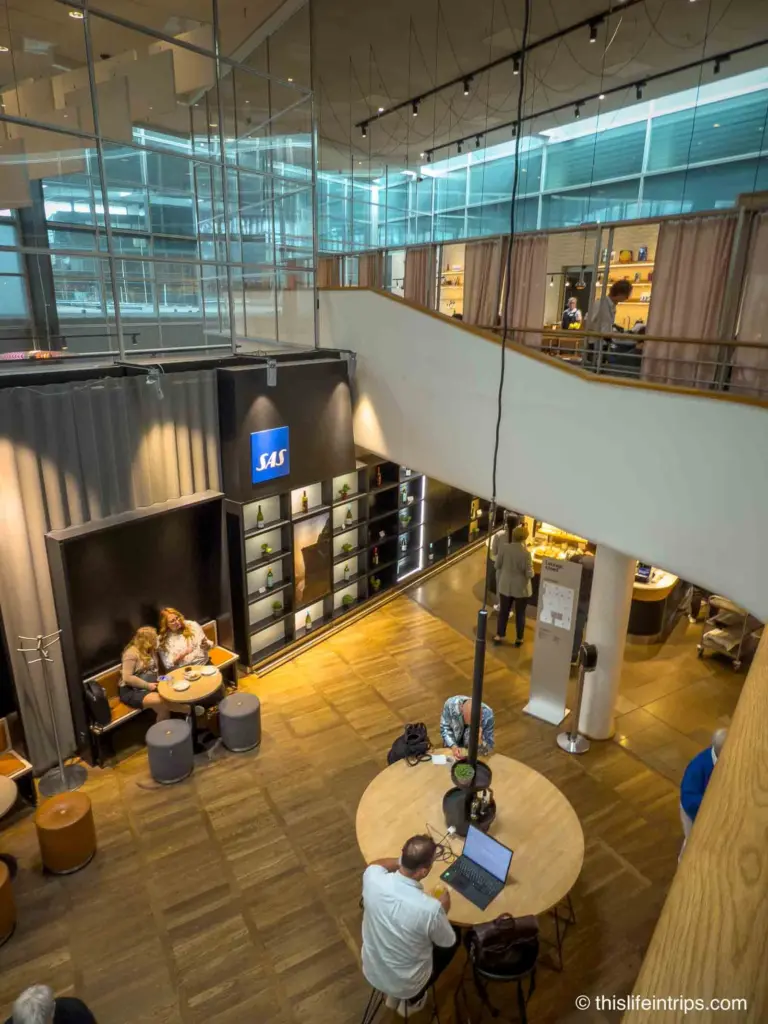
I also checked out the Carlsberg Aviator Lounge, giving me another Copenhagen Airport lounge option to compare. You can read my Carlsberg Aviator Lounge Copenhagen review if you’re deciding where to spend a layover before your flight.
For most travellers, though, the transportation advice is straightforward: don’t complicate Copenhagen. Walk the historic centre, rent a bike when you want to explore farther and use the Metro when it makes your day easier.
Save the car for the road trip.
Is Three Days in Copenhagen Worth It?
Absolutely. After visiting Copenhagen multiple times, I actually like the city more now than I did after my first trip.
My earlier visits were largely about seeing Copenhagen. I wanted to visit Nyhavn, climb the Round Tower, explore Christiania, drink beer at Carlsberg, wander Tivoli and work through the list of Copenhagen must see attractions. Those are still worthwhile experiences, and if this is your first visit, you should absolutely make time for the ones that interest you.
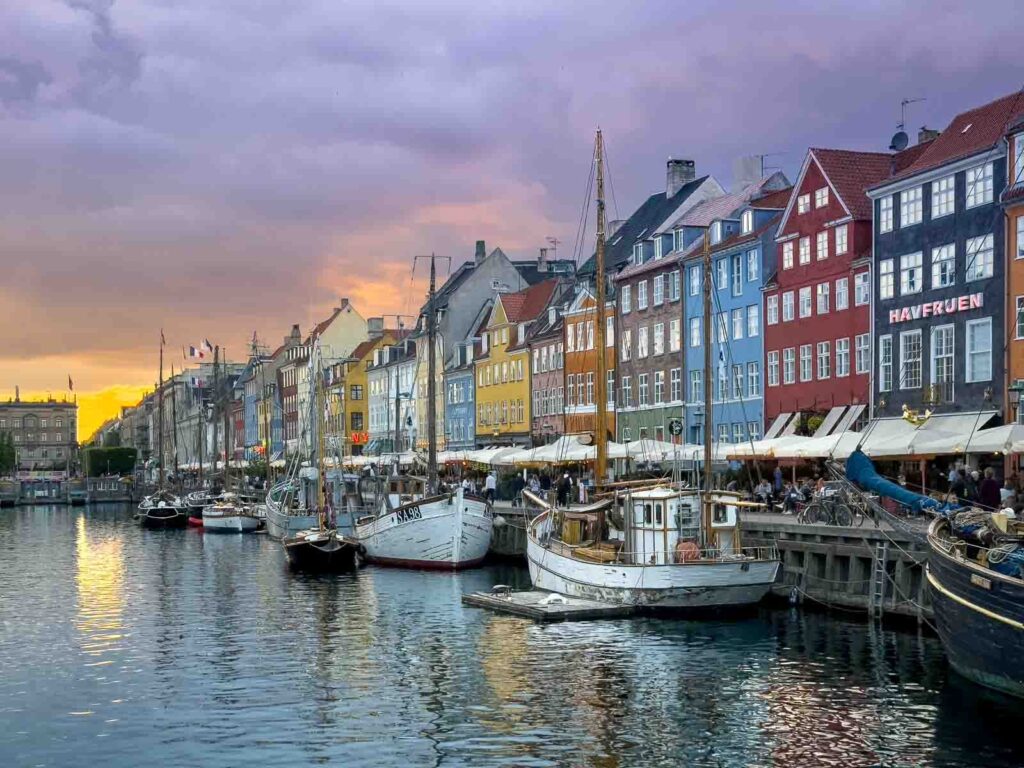
This latest three days in Copenhagen felt different. Because I’d already checked off many of the major sights, I could slow down and experience more of the city between them. We cycled through neighbourhoods, ate ridiculously well, discovered Kødbyen and Refshaleøen, lingered over coffee and pastries, sat beside the water with beers and somehow turned finding old telephone kiosks into an excuse for cocktails.
Even the rain worked out. Our wet Hey Captain harbour tour became a cozy afternoon of social sailing, and by the time the weather cleared, we were back on our bikes.
That’s ultimately how I’d approach a 3 days in Copenhagen itinerary. See the landmarks, but don’t make the mistake of treating Copenhagen like a checklist. Pick the best things to do in Copenhagen for you and leave enough room between them for the city to surprise you.
For me, some of those unplanned moments ended up being the best ones.
The slower pace was also exactly what I needed before the next part of this trip. After three days of cycling instead of driving, it was time to pick up our VW ID. Buzz camper and point it north. Copenhagen had been the warm-up; ahead was an electric road trip through Scandinavia all the way toward Nordkapp.
That’s a story for another post.
For now, if you’re wondering whether three days in Copenhagen is enough—or whether Copenhagen deserves a stop on a larger Scandinavian trip—my answer is an easy yes.
Just don’t schedule every minute of it.
Copenhagen Itinerary FAQ
Is 3 Days in Copenhagen Enough?
Yes. Three days in Copenhagen gives you enough time for major sights like Nyhavn, Amalienborg and the Round Tower, plus neighbourhoods such as Christiania, Refshaleøen or Vesterbro. After multiple visits, I think three days is the sweet spot because you can see the highlights without scheduling every hour.
What Should I Do With 1 Day in Copenhagen?
With 1 day in Copenhagen, stay fairly central. I’d prioritize Nyhavn, Amalienborg, the Round Tower and the historic centre, stopping for a Danish hot dog or smørrebrød along the way. If time allows, finish with a canal tour rather than trying to cram every Copenhagen attraction into one day.
What Would You Recommend for a Copenhagen 2 Day Itinerary?
For a Copenhagen 2 day itinerary, spend day one exploring the historic centre and add Tivoli in the evening if it’s open. On day two, rent a bike and explore Christiania and Refshaleøen, or head toward Vesterbro and Kødbyen. If possible, I’d still add a third day for a more relaxed visit.
Is the Copenhagen Card Worth It for Three Days?
It depends on how many paid attractions you plan to visit. I’ve used the Copenhagen Card and found it convenient on a sightseeing-heavy trip, but it made less sense on my latest visit because cycling, neighbourhoods, markets and waterfront stops dominated my itinerary. Compare your planned admission costs with the current card price before buying.
Is Copenhagen Expensive?
Yes, Copenhagen can be expensive, especially for hotels, restaurants and alcohol, but plenty of the best things to do in Copenhagen cost little or nothing. Walking neighbourhoods, cycling, parks, waterfront areas and exploring places like Christiania can balance more expensive attractions and meals.
What are your
thoughts on this Three Days in Copenhagen itinerary?
Let’s hear it!
Looking for more Europe?
— Visit Copenhagen Tourism on Facebook —
— Visit Copenhagen Tourism on Twitter —

My 3 days in Copenhagen was made possible in part by Visit Copenhagen.
As always, the experience, opinions, and hygge fun are my own.







Copenhagen should be a must on any person’s bucket list if they intend to travel, and though it may not be the first name someone thinks of, you outlined the reasons why heading there is worthwhile. Thanks for sharing!
I think I would have to spend the bulk of my 3 days eating and drinking. Your photos were amazing and inspiring. Thanks for this write up!
Great itinerary for Copenhagen with lots of useful information. Your photos are very beautiful as well, makes we want to plan a trip sooner rather than later.
Wow these photos are amazing! I have to go back to Copenhagen after seeing all these breathtaking photos. Such a great trip!
We only spent one day there this year, on a cruise, but my husband fell in love with the city and is dying to return.
We loved Copenhagen, although we found it quite overpriced. Did not do the Christiania tour nor the Kings Garden, and now I regret it.
Your pictures look stunning! I love that they have so many parks and green areas in the city, definitely will have to visit Copenhagen someday 🙂
becksplore briefly
becksplore yes
You take stunning photos. Along the canals reminds of the quaint fishing village of Peggy’s Cove. Atowle|https://formationvacations.com/
Your photos are gorgeous!! I love all of the colorful buildings/houses!
Copenhagen is on my list of travel for when I eventually get overseas to visit all those wonderful places. Your pictures are beautiful too!