

If I had a time machine, I would use it to go back to 2015. Besides being the year I committed to travelling full time, it was also the year I chose to live in different places along the way. After spending three days in Porto, it became clear that I had overlooked one of Europe’s most captivating cities.
Set along the Douro River, Porto’s easy-going pace, colourful riverside neighbourhoods, affordability, incredible food scene, and welcoming locals made it the kind of place where I could happily unpack my bags and live like a local.
Since that first visit, I’ve returned to Porto to experience even more of what the city has to offer. That second trip only reinforced my original impression while introducing me to some unforgettable new experiences—from exploring Mercado do Bolhão with a local chef during one of the best Porto cooking classes, to sampling Portuguese wines, discovering boutique hotels, and diving even deeper into Porto’s incredible culinary scene.
It’s a city that rewards repeat visits, with each trip revealing another reason to fall in love with it.
That said, Porto is also one of Europe’s best weekend escapes. Whether it’s your first visit or you’re returning like I did, three days is enough time to experience many of the city’s highlights while still leaving room to slow down and soak up its atmosphere. Armed with a Porto Card, I set off to explore as much of the city as possible. Since then, I’ve updated this guide with my latest recommendations, including where to stay, unforgettable food experiences, and some of the best tours I discovered along the way.
So, here’s my updated guide to three days in Porto, including what to see, do, eat, and experience to make the most of your visit.
Best Time to Visit Porto, Portugal
Before diving into this three days in Porto itinerary, it’s worth considering the best time to visit Porto, Portugal. While the city is a fantastic destination year-round, your experience can vary depending on the season and what you’re hoping to see and do.
For most travellers, the best time to visit Porto is during April to June and September to October. During these months, you’ll typically enjoy pleasant temperatures, fewer crowds than the peak summer season, and ideal conditions for wandering Porto’s colourful neighbourhoods, strolling along the Douro River, and taking in the city’s many viewpoints.
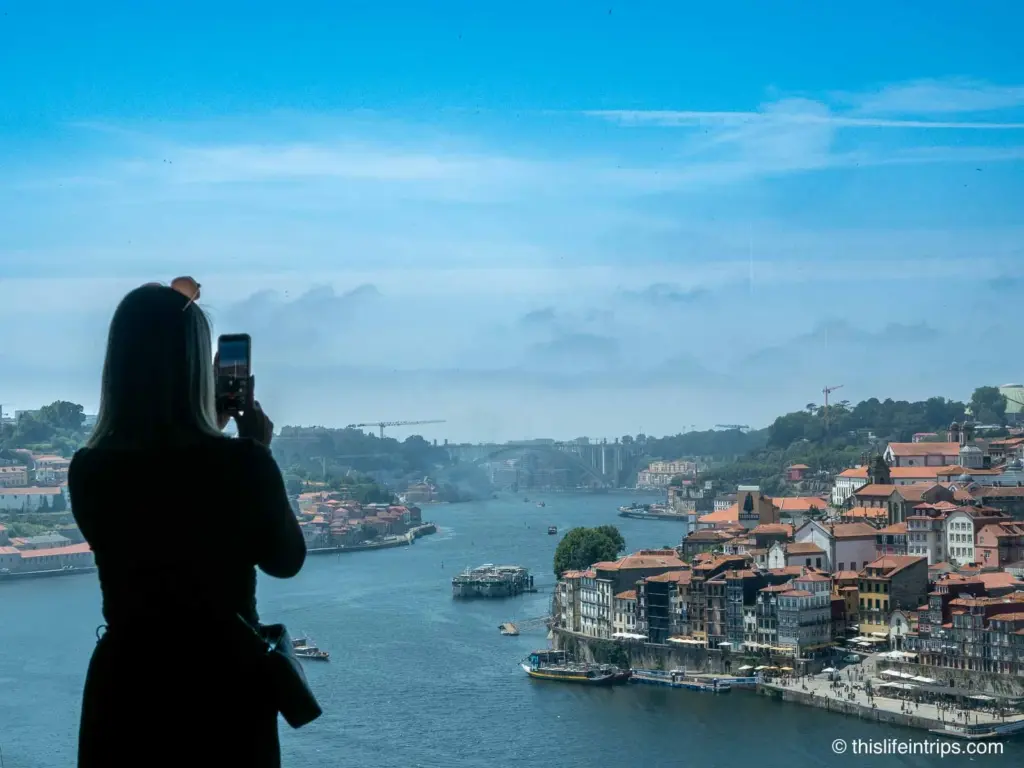
I’ve now visited Porto during different times of the year, and one thing has remained consistent—it’s a wonderfully walkable city. Whether you’re exploring historic Ribeira, browsing Mercado do Bolhão, or relaxing with a glass of Port overlooking the river, mild weather makes spending long days outdoors a pleasure.
If you don’t mind busier streets, late June is one of the most exciting times to visit thanks to the city’s famous São João Festival. Porto transforms into one giant street party, with live music, grilled sardines, plastic hammers, floating sky lanterns, and one of Portugal’s most spectacular fireworks displays over the Douro River. It’s easily one of the biggest annual celebrations and a memorable time to experience the city’s vibrant culture.
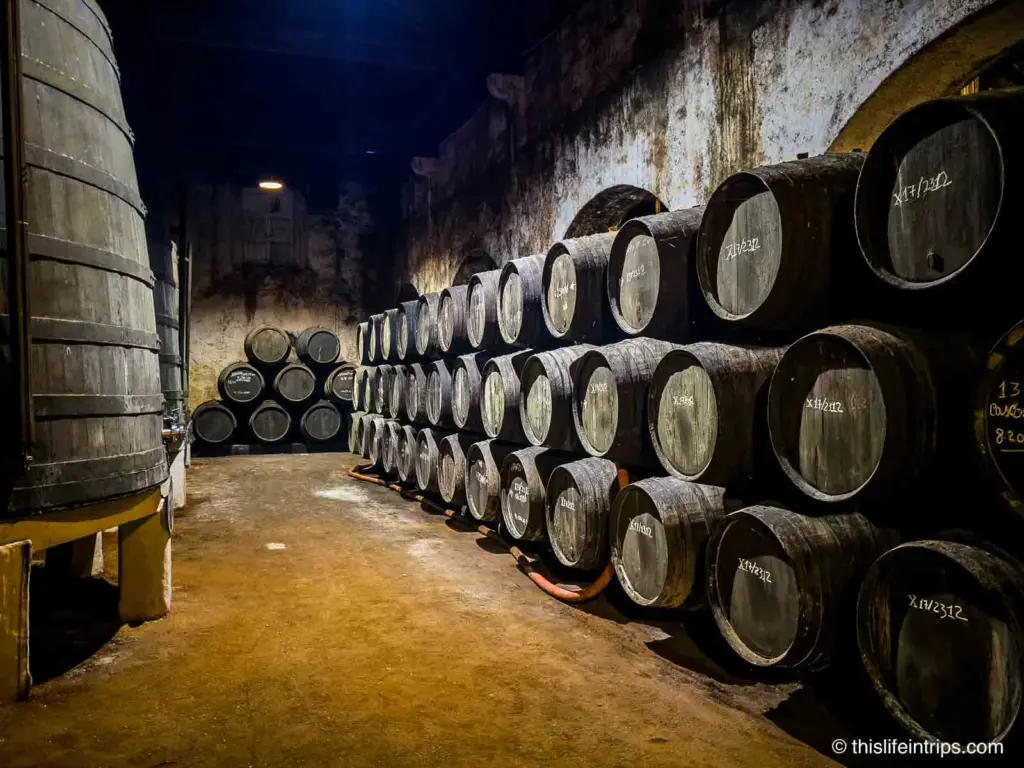
Wine lovers may also want to plan their visit around the autumn harvest season. September and October offer comfortable temperatures and are excellent months for visiting the nearby Douro Valley or enjoying one of Porto’s many wine experiences and historic Port cellars across the river in Vila Nova de Gaia.
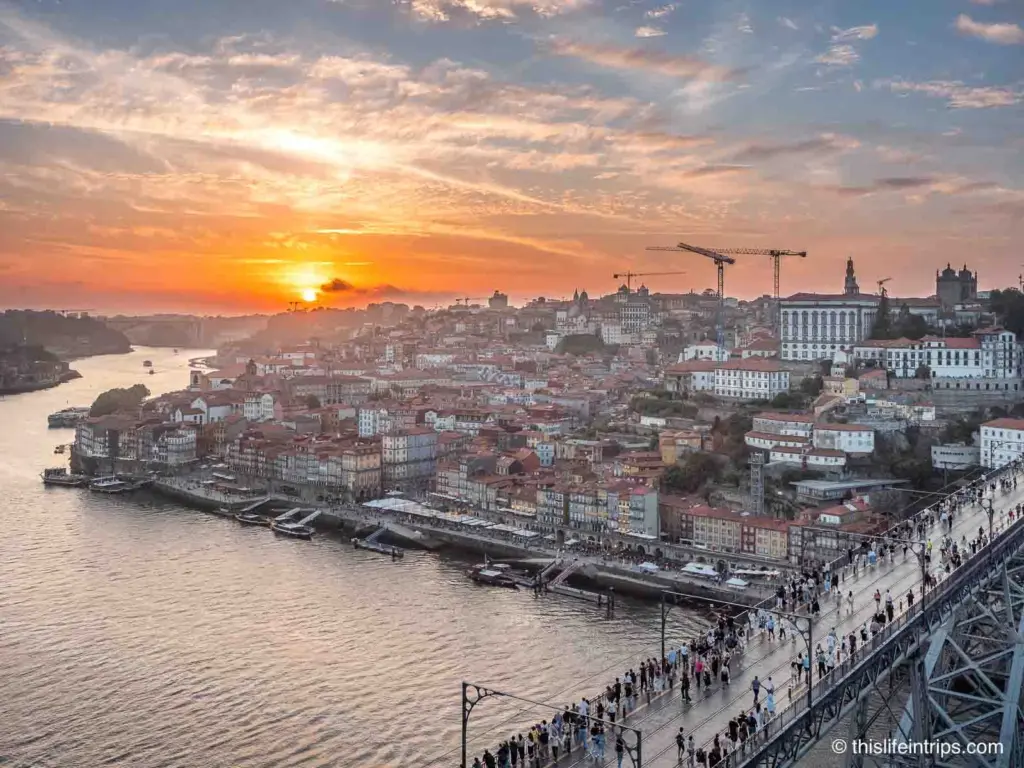
Summer (July and August) brings warmer temperatures and the largest crowds, but it’s also when Porto’s riverside terraces, rooftop bars, and outdoor cafés are at their liveliest. During my most recent visit, I loved ending the day with a drink overlooking the Douro as the sun set behind the Dom Luís I Bridge—a reminder that some of Porto’s best moments are simply slowing down and taking in the view.
No matter when you visit, you’ll find there’s no shortage of what to do in Porto. From incredible food and world-class wine to historic neighbourhoods and unforgettable viewpoints, Porto is a destination that rewards repeat visits. In fact, after returning myself, I discovered even more Porto highlights that have been added throughout this updated guide.
Before You Visit Porto: Planning Your Three-Day Trip
A little planning goes a long way in Porto. Whether you’re visiting for a long weekend or using the city as a base to explore northern Portugal, these tips will help you make the most of your trip.
Book Flights Early
Porto has become one of Europe’s most popular city break destinations, and flight prices can rise quickly during the summer and shoulder seasons. If your travel dates are flexible, it’s worth comparing fares well in advance.
Check the latest flight deals to Porto before booking.
Choose the Right Neighbourhood
For most first-time visitors, I recommend staying within walking distance of Ribeira, Baixa, or São Bento Railway Station. These central neighbourhoods put Porto’s main attractions, restaurants, and nightlife within easy reach while making it easy to explore on foot.
On my most recent visit, I stayed at Canto de Luz, a beautifully restored boutique hotel that quickly became one of my favourite places I’ve stayed in Europe. Beyond its excellent location, it also offers unique experiences like cooking classes, wine tastings, and one of the best breakfasts I’ve had while travelling.
Stay Connected
Portugal has excellent mobile coverage, making it easy to navigate with Google Maps, book attractions, and translate menus while exploring.
Rather than paying expensive roaming fees, I recommend purchasing an eSIM for Portugal before you arrive. It only takes a few minutes to set up and means you’ll have data as soon as your plane lands.
Book Popular Attractions in Advance
Porto has grown tremendously in popularity over the past decade, and several attractions regularly sell out or develop long queues.
If you’re travelling during spring, summer, or on weekends, I recommend booking popular experiences such as Porto tours, Douro River cruises, Port wine tastings, and Livraria Lello tickets ahead of time to avoid disappointment.
Should You Rent a Car?
For exploring Porto itself, absolutely not.
The historic centre is compact, highly walkable, and well served by public transportation. In fact, having a car can become more of a hassle than a convenience due to narrow streets and limited parking.
However, if you plan to venture beyond the city to places like the Douro Valley, Braga, Guimarães, or Portugal’s Atlantic coastline, having your own vehicle offers much greater flexibility. You can compare cheap car rental options before your trip if you’re planning to continue your adventure beyond Porto.
What Is There to See in Porto – Must Visit in Porto
One of the things I love most about Porto is how effortlessly it blends history with everyday life. Around almost every corner you’ll find another beautiful church, viewpoint, historic square, or family-run café that’s been serving locals for generations. It’s a city best explored on foot, where getting a little lost often leads to your favourite discoveries.
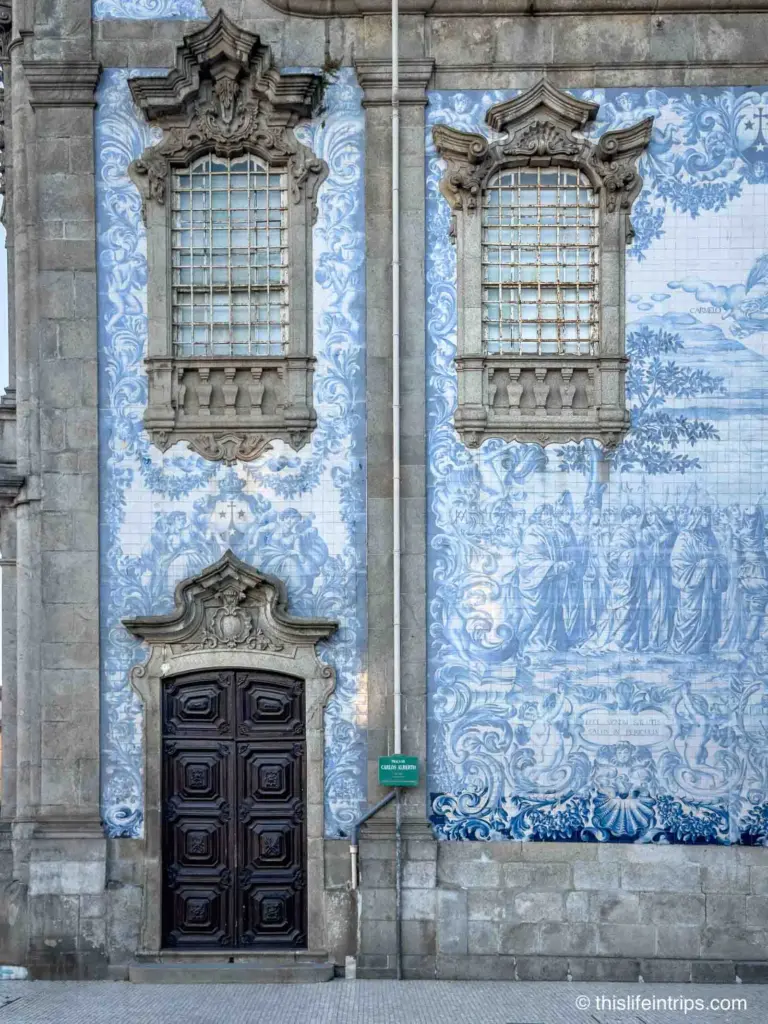
With roots dating back more than 2,000 years, Porto offers no shortage of fascinating places to explore. Set along the scenic banks of the Douro River, the city is filled with colourful buildings decorated in traditional azulejo tiles, lively markets, impressive churches, and neighbourhoods that feel frozen in time.
The UNESCO-listed Ribeira district remains the heart of the city, with its maze of narrow cobbled streets, vibrant riverfront, and historic architecture. Across the Douro River, Vila Nova de Gaia is home to the famous Port wine cellars, where you can learn about one of Portugal’s most iconic exports while enjoying tastings overlooking Porto’s skyline.
After returning to Porto, I also discovered that many of the city’s best experiences aren’t limited to its famous landmarks. Joining a guided tour through Mercado do Bolhão, taking a Portuguese cooking class, enjoying a sunset drink along the river, and simply wandering into neighbourhood restaurants became some of the highlights of my most recent visit. Those experiences have been added throughout this updated itinerary to help you experience Porto beyond the typical tourist attractions.
Whether you’re visiting for the first time or returning for another trip, there’s no shortage of memorable places to discover. Here are my favourite attractions and experiences to include in your 3 days in Porto itinerary.
Compare prices on flights to Porto, Portugal with Skyscanner
Dom Luís I Bridge

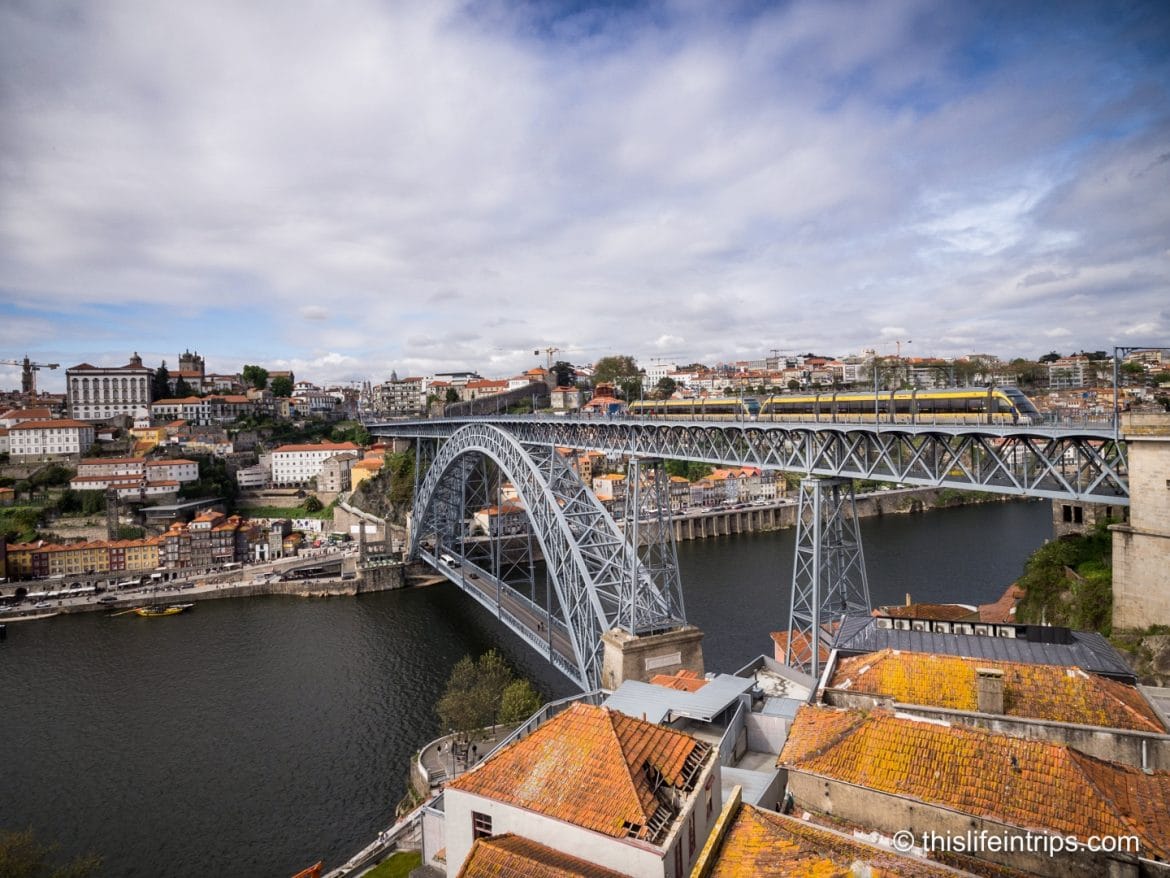


Without a doubt, Porto’s iconic Dom Luís I Bridge is its most recognizable landmark, and for good reason. While many people attribute it to Gustave Eiffel, it was actually designed by his former business partner, Théophile Seyrig, whose engineering style is unmistakably similar to the Eiffel Tower.
Completed in 1886, the impressive double-deck iron bridge spans the Douro River, connecting Porto with Vila Nova de Gaia. The lower level is used by vehicles and pedestrians, while the upper level carries Porto’s Metro alongside a pedestrian walkway.

Crossing the bridge is one of the absolute must-dos in Porto. The panoramic views over Ribeira, the colourful waterfront, and the Port wine cellars of Gaia are spectacular at any time of day. Sunset is particularly magical as the city glows in golden light, although an early morning walk rewards you with far fewer crowds and some of the best photo opportunities in the city.
Porto’s Churches
If you’ve travelled around Europe, you’ve probably reached a point where one historic church starts to blend into the next. I know I certainly have.
Porto, however, manages to stand out.

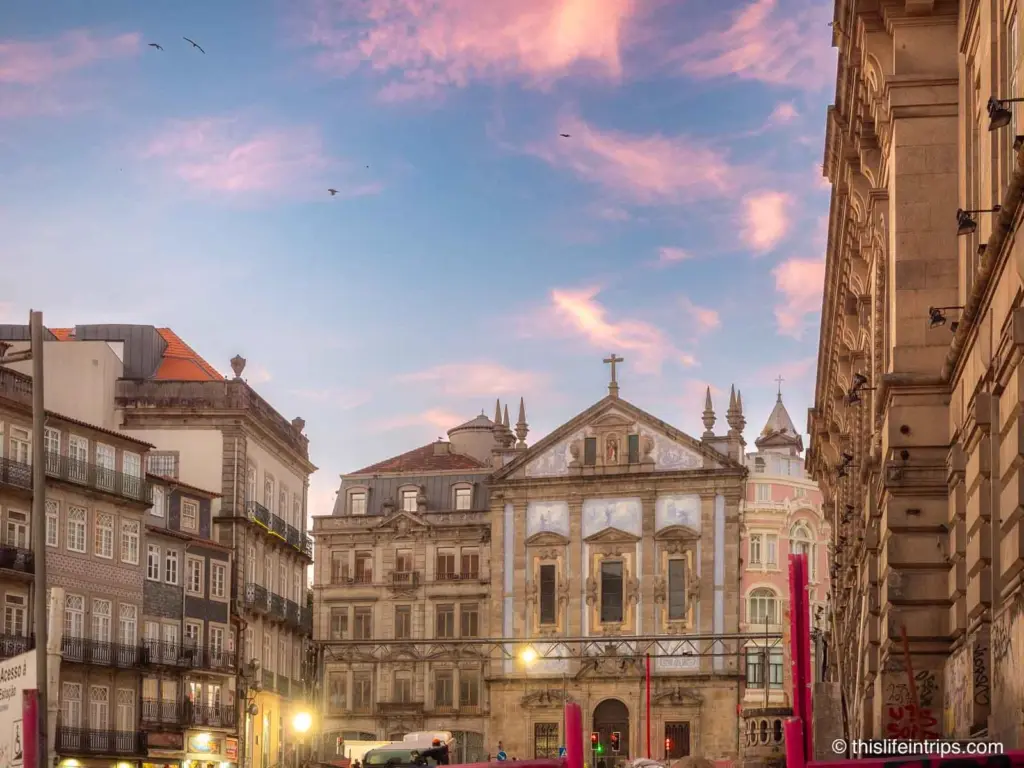
Its churches aren’t just impressive for their architecture—they’re famous for the stunning blue-and-white azulejo tilework that decorates many of their façades, making them some of the city’s most photographed landmarks. Here are some of my favorites:

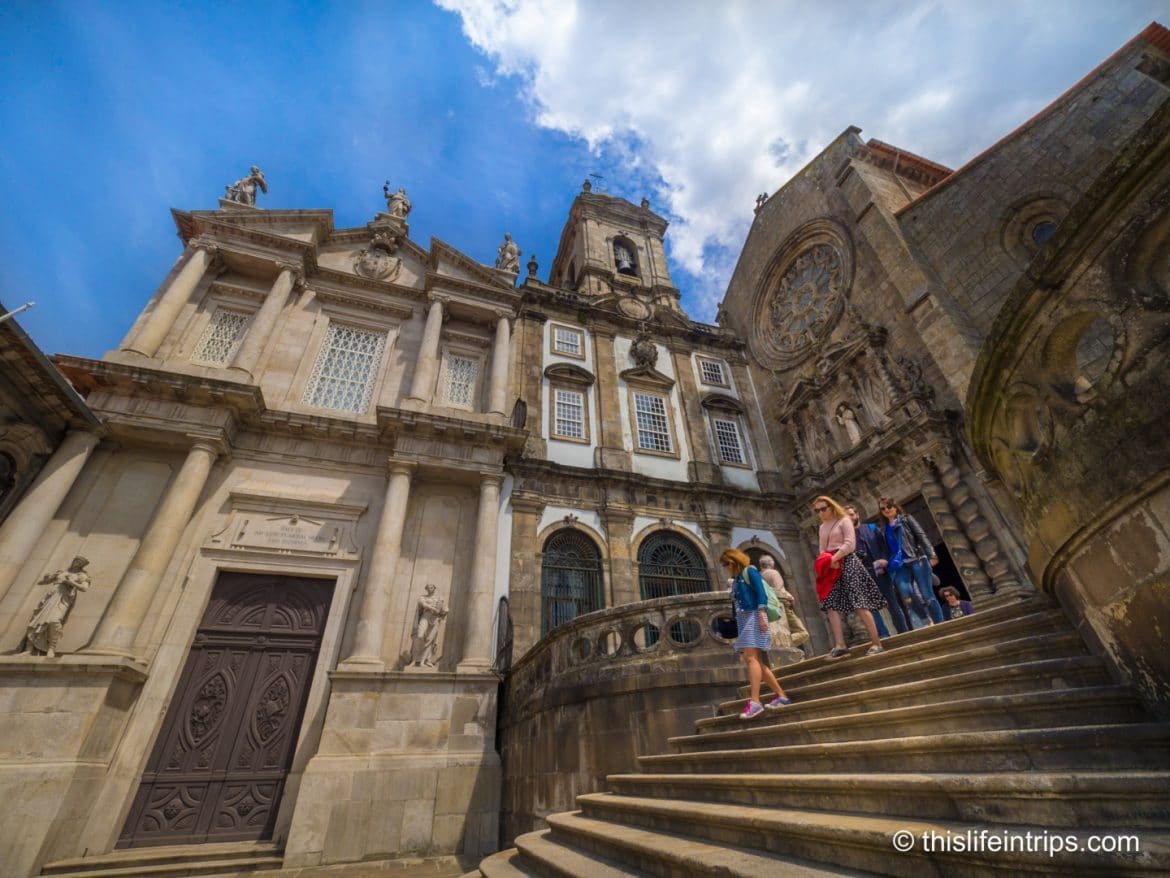

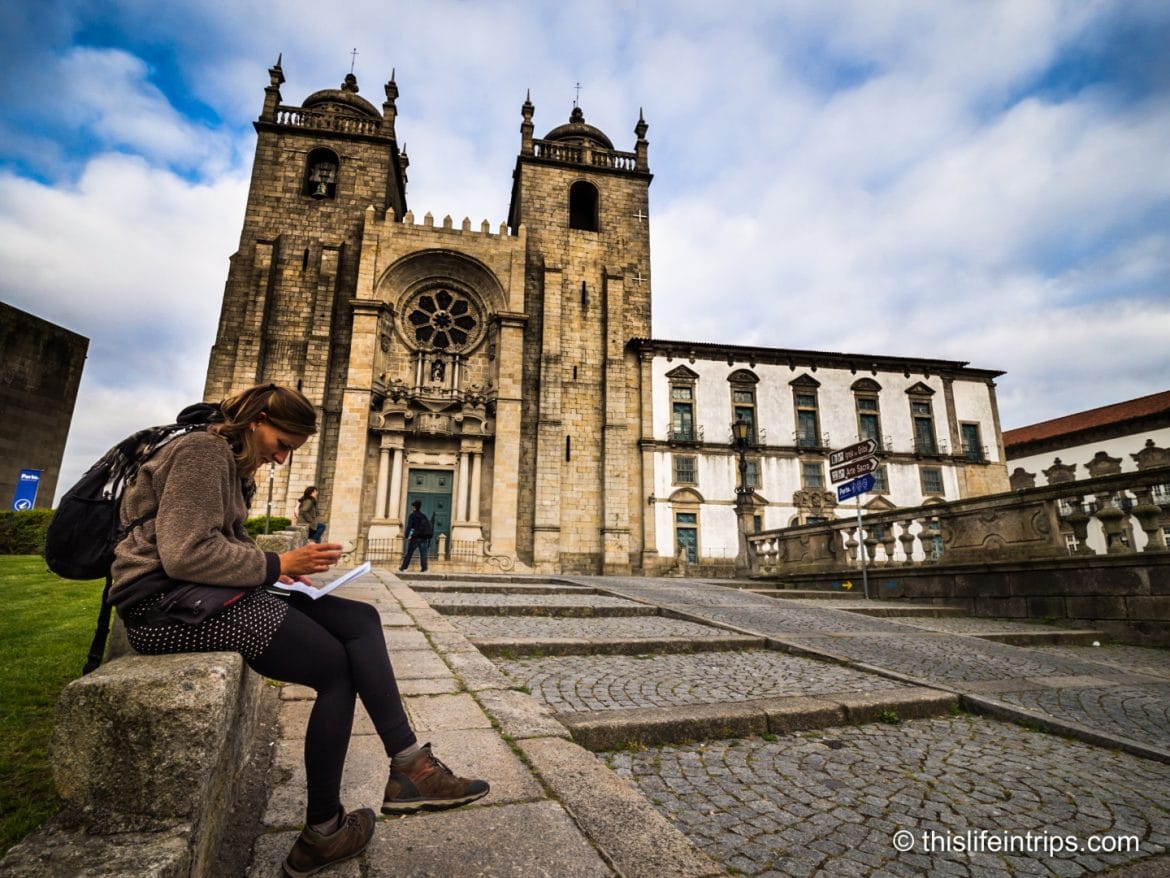

Beyond their beauty, several churches also offer some of the best viewpoints in Porto.
For panoramic sunset views, head across the bridge to Mosteiro da Serra do Pilar, where you’ll enjoy one of the city’s most iconic vistas overlooking the Douro River, Ribeira, and the Dom Luís I Bridge.
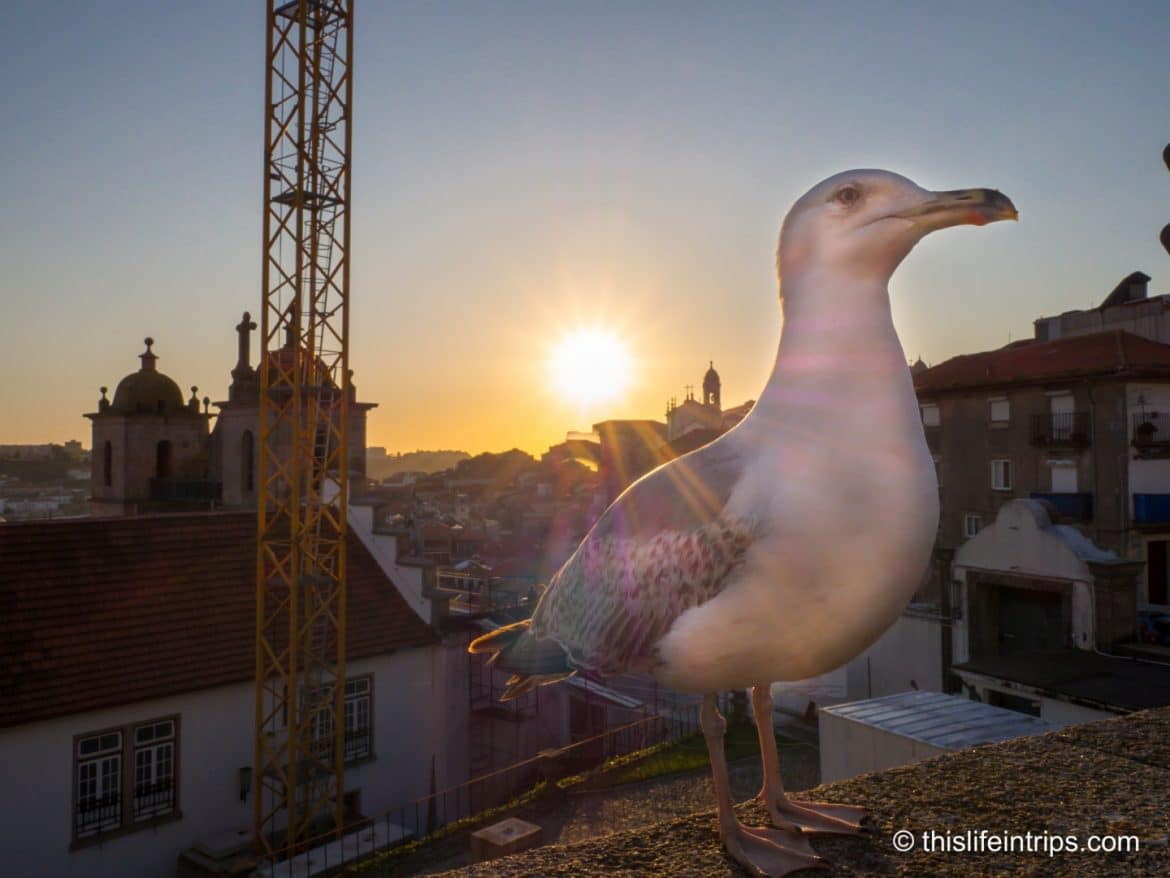
For a different perspective, climb to the steps around Porto Cathedral (Sé do Porto). Not only do you get fantastic views over the historic centre, but you’ll almost certainly find yourself sharing them with Porto’s ever-present seagulls.


São Bento Railway Station

Speaking of Porto’s famous azulejo tiles, no visit is complete without stepping inside São Bento railway station.

Often ranked among the most beautiful train stations in Europe, its grand entrance hall is covered with more than 20,000 hand-painted azulejo tiles illustrating key moments in Portuguese history. Created by artist Jorge Colaço between 1905 and 1916, the murals transform what could have been an ordinary railway station into one of Porto’s most remarkable attractions.
Even if you’re not catching a train, it’s well worth stopping in for a few minutes to admire the craftsmanship.

READ MORE: This Life in Trips’ Most Memorable Train Station Stops

Three Days in Porto Tip: Consider an early morning or evening visit if you want to have a selfie stick-less and uninterrupted views of the tiles.
Stroll the Old Town

Next up on this 3 Day Porto Portugal Itinerary is checking out the tiny corridors of the old town.
From São Bento Railway Station, stroll past Porto’s impressive City Hall before wandering into the historic centre.
One of my favourite things about Porto is that there’s no need to follow a strict route. Some of my best discoveries came from turning down narrow side streets, peeking into tiny cafés, and simply seeing where the cobbled lanes led.


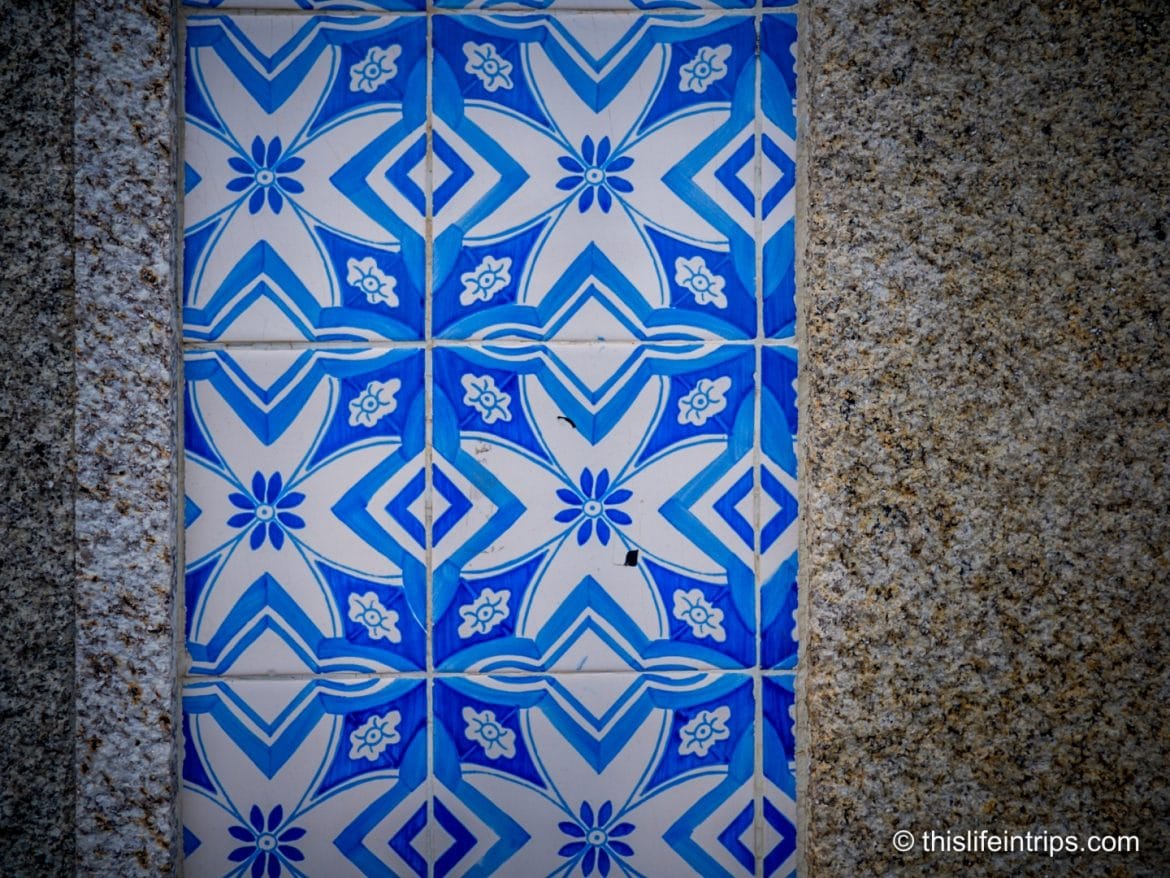
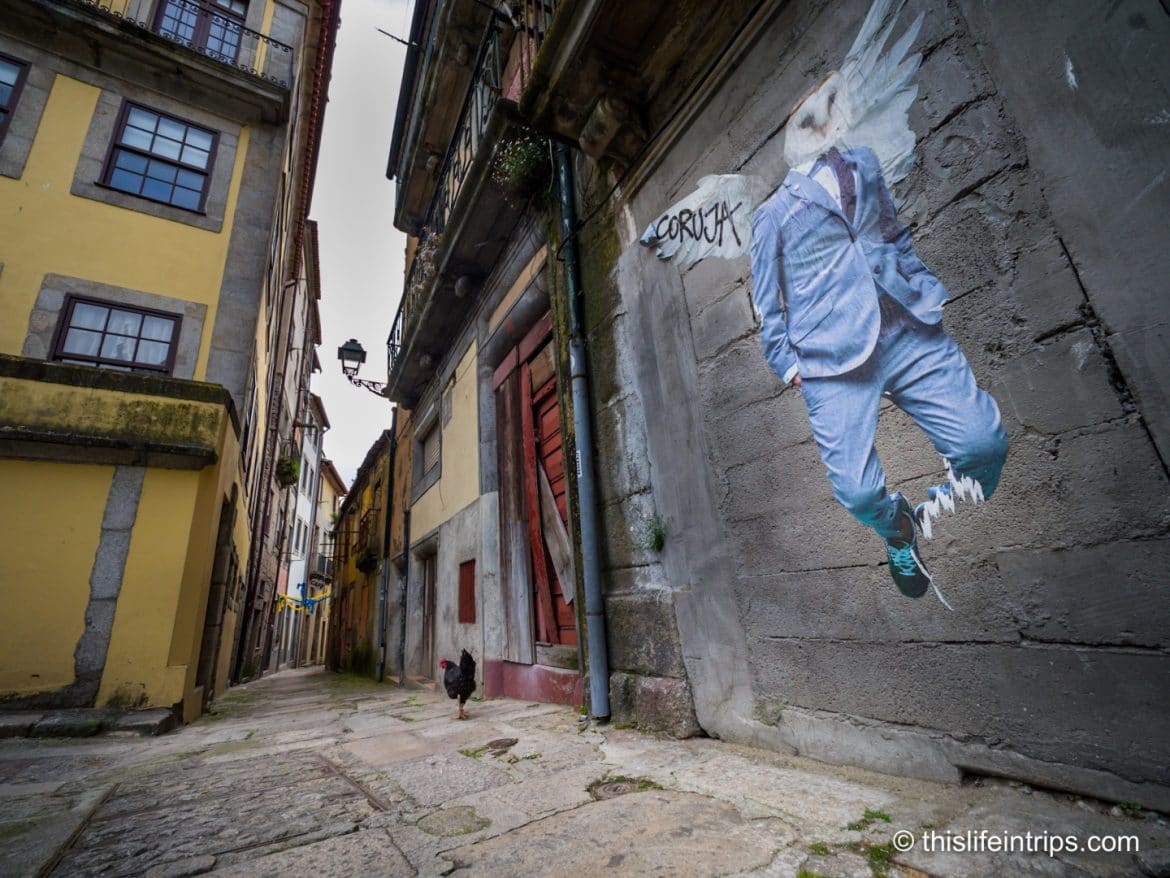
Make your way to Porto Cathedral for sweeping views over the Douro River before slowly descending through the maze of medieval alleyways toward Ribeira.
Years ago, parts of this neighbourhood had a reputation for being run down. Today, thanks to extensive restoration efforts, it’s one of the city’s most vibrant areas while still retaining its authentic character. The winding streets remain wonderfully narrow—so much so that in places you can almost stretch your arms out and touch both sides at once.
Ribeira Square

Eventually, every walk seems to lead to Ribeira Square, Porto’s colourful waterfront and one of the city’s liveliest gathering places.
Once the commercial heart of Porto, today it’s lined with restaurants, cafés, terraces, and street performers overlooking the Douro River. While it’s undeniably touristy, it’s still one of the best places to sit with a drink, watch the traditional rabelo boats drift past, and soak up the atmosphere.

It’s also the departure point for many Porto tours, including the popular Six Bridges river cruises.
Explore Gaia
From Ribeira, you can either take a traditional river taxi across the Douro for just a couple of euros or enjoy the 20-minute walk across the lower level of the Dom Luís I Bridge.
Personally, Gaia has become my favourite side of the river.

Not only does it offer the best panoramic views back toward Porto’s colourful skyline, but it’s also home to the city’s world-famous Port wine lodges. On my latest visit, I joined a wine cellar tour—conducted entirely in Spanish, much to the amusement of everyone involved! Thankfully, Port wine is a language all its own, and the tasting at the end more than made up for any missed translations.
Gaia is also a fantastic place to spend an evening. After touring the wine cellars, I grabbed a drink at a riverside sports bar overlooking the Dom Luís I Bridge and watched the sun disappear behind Porto’s skyline. It ended up being one of my favourite memories from the trip.
Although there are plenty of restaurants and cafés along the waterfront, Gaia generally feels a little more relaxed than Ribeira since fewer visitors choose to stay there overnight. Whether you’re visiting for the wine, the views, or simply a quieter evening by the river, it’s a part of Porto that shouldn’t be missed.
READ MORE: 7g Roaster Apartments: Where to Stay in Porto
What to do in Porto: My 3-days in Porto Itinerary
Exploring Porto is like stepping into a fairytale filled with endless wonders waiting to be discovered. From historic landmarks to hidden gems, this charming Portuguese city offers something for everyone. So, what can you do in Porto? Let me take you on a journey through some of my favorite experiences.
Visit a Cellar…or Several
No visit to Porto is complete without sampling the city’s most famous export—Port wine.
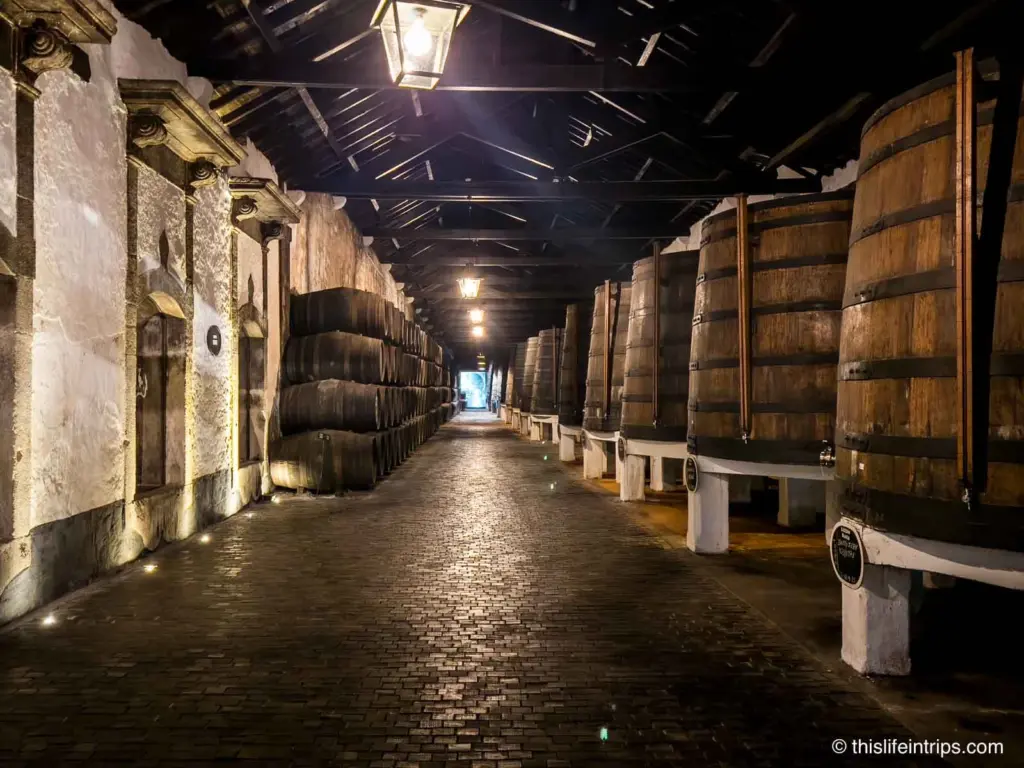
Across the Douro River in Vila Nova de Gaia you’ll find dozens of historic wine lodges, each offering tours and tastings that showcase the history and craftsmanship behind this uniquely Portuguese fortified wine. Whether you’re a seasoned wine enthusiast or simply curious about what makes Port so special, visiting at least one cellar is one of the absolute must-do experiences in Porto.

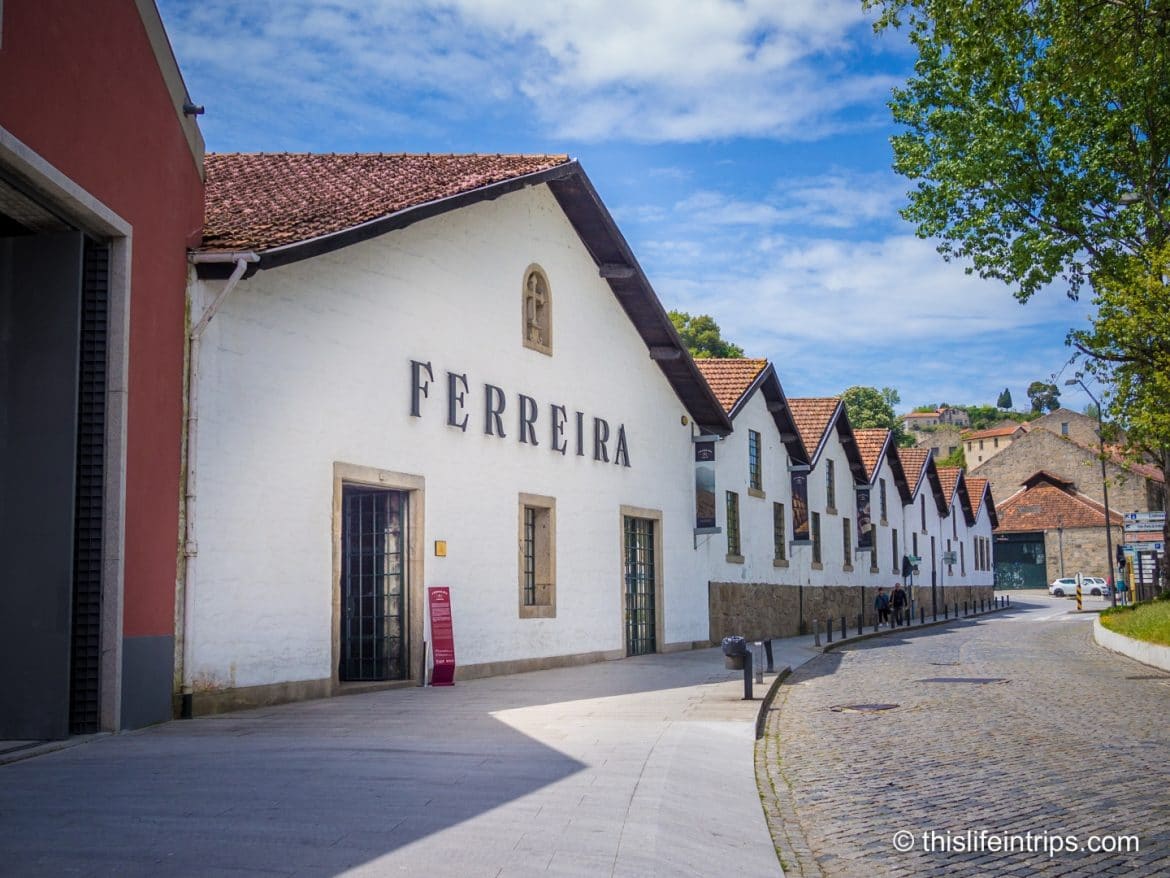
During my visits I’ve toured several lodges, each with its own personality and history. One of my favourites remains Ferreira, one of the few major Port houses founded by a Portuguese family. Operating for more than 250 years, the guided tour offers a fascinating look at how Port is produced before, of course, ending with a tasting.
If you want to combine wine with incredible local food, I also highly recommend the Porto Wine & Tapas Experience I recently enjoyed at Canto de Luz. It pairs excellent Portuguese wines with locally inspired tapas and was one of the culinary highlights of my latest visit.



Cruise the Douro River
Seeing Porto from the water offers an entirely different perspective.
A scenic cruise along the Douro River allows you to admire the city’s colourful waterfront, the iconic Dom Luís I Bridge, and the famous Port wine lodges from below while learning about the river that shaped Porto’s history.

For centuries, the Douro River served as the main highway for transporting barrels of Port wine from vineyards deep within the Douro Valley to the ageing cellars of Vila Nova de Gaia. The traditional Rabelo boats lining the waterfront today are reminders of that rich heritage.
During my first visit, I took a relaxing one-hour Six Bridges cruise with Roto do Douro, which I highly recommend if you’re short on time.

On my most recent trip, I opted for a longer river cruise that included a visit to one of the Port wine cellars. Ironically, the guided portion was entirely in Spanish, making for a few entertaining moments, but thankfully wine tasting requires very little translation.
If you’re spending more than three days in Porto, consider taking a full-day cruise into the Douro Valley. Several operators offer excursions that combine river cruising, wine tastings, and vineyard visits, making for one of the most memorable day trips from Porto.
Looking for options? Browse some of the best Porto tours to compare river cruises, walking tours, wine experiences, and day trips.rt wine, you can take a river cruise on the Douro to get a sense of what life was like shipping barrels downstream. I took a short one hour cruise with and highly recommend them!
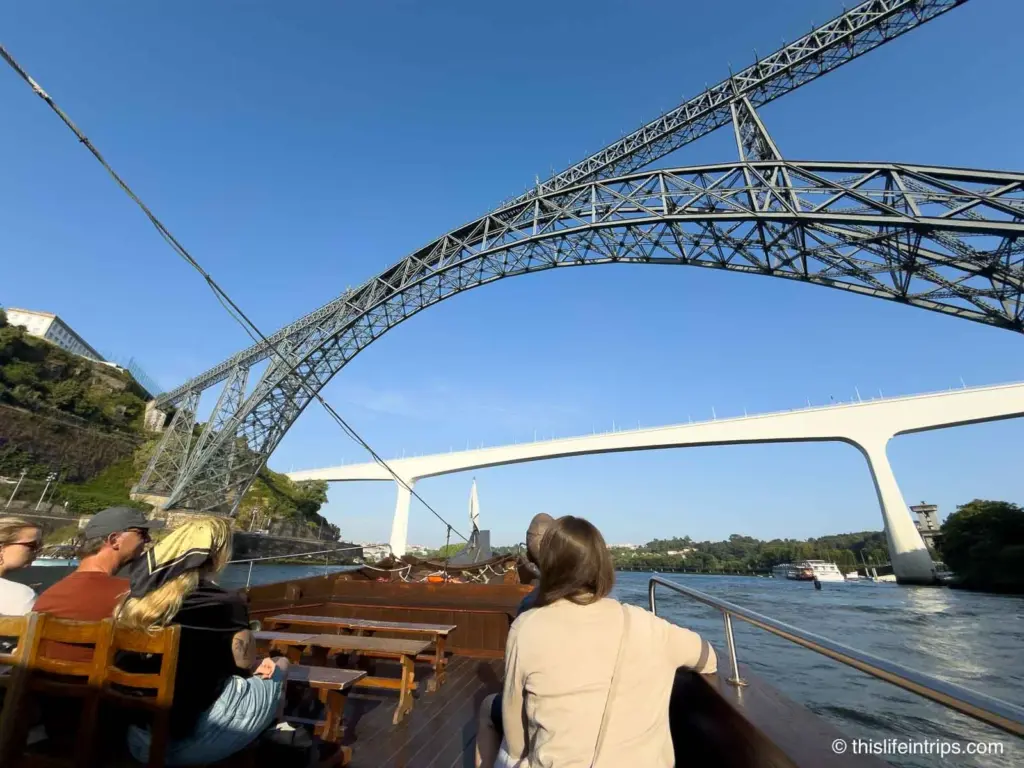
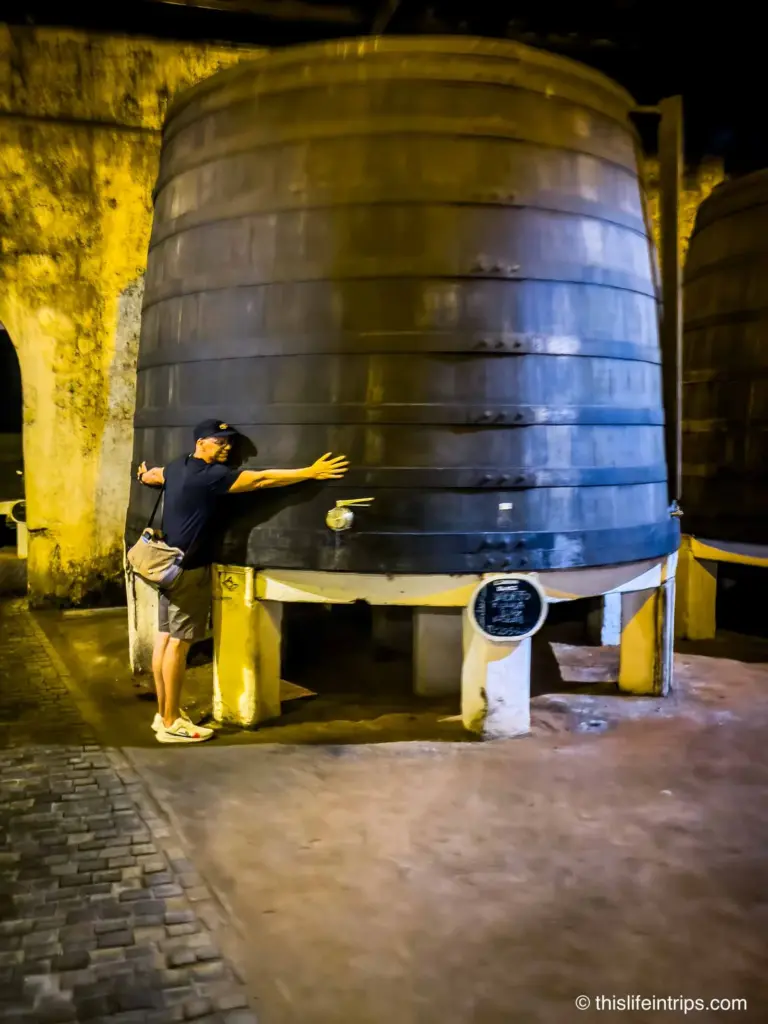
Those spending more than three days in Porto should consider a longer tour up the Douro River to the vineyards of the Douro valley. There are several companies offering river cruises such as Rota do Douro and Viking River Cruises.

READ MORE: Down the Danube with Viking River Cruises
Take a Train Ride Through the Douro Valley
If cruising the Douro isn’t your style, the railway offers another spectacular way to experience Portugal’s most famous wine region.
Departing from the beautiful São Bento Railway Station, the Douro Line follows the river deep into the valley, passing vineyards, terraced hillsides, and charming riverside villages. It’s easily one of the most scenic train journeys I’ve taken anywhere in Europe.

Douro Valley Train (Budget-Friendly)
For just a few euros, you can ride the regular regional train to Pinhão, one of the prettiest villages in the Douro Valley.
The round trip takes most of the day, but it’s well worth it. While the scenery is attractive throughout, it becomes especially spectacular after Peso da Régua as the railway hugs the winding Douro River.
I recommend getting off in Pinhão for a few hours before returning to Porto. It’s a beautiful little town that’s perfect for lunch, a riverside stroll, or a vineyard visit.
3 Days in Porto Tip: Be sure to pack a lunch as food is not available onboard!
Douro Historical Train
If you’re visiting between summer and early autumn, look into the Douro Historical Train.
Operated by CP, this beautifully restored vintage steam train runs between Régua and Tua on select dates and offers one of the most nostalgic ways to experience the valley. Complete with classic carriages and scenic river views, it’s a fantastic alternative for railway enthusiasts.
A Note About the Presidential Train
When I first published this guide, I recommended the extraordinary Presidential Train., a luxury gastronomic journey through the Douro Valley that paired Michelin-starred chefs with world-class wines aboard Portugal’s beautifully restored presidential railway carriage.

I was fortunate enough to experience it myself, and it remains one of the greatest culinary train journeys I’ve ever taken. My full Presidential Train review will remain on the site for historical interest because it truly was a once-in-a-lifetime experience.




Unfortunately, the Presidential Train is no longer operating as a regular luxury dining experience. If you’re planning a trip today, I recommend either the scenic Douro Line to Pinhão or the seasonal Douro Historical Train, both of which offer unforgettable ways to experience the valley by rail.

READ MORE: The Presidential Train Review
Conquer Torre dos Clérigos

Back in Porto, make your way to the unmistakable Torre dos Clérigos, one of the city’s defining landmarks.
Standing roughly 75 metres (246 feet) above the surrounding streets, this elegant Baroque bell tower has dominated Porto’s skyline since the 18th century. Climbing the narrow staircase is a bit of a workout, but the panoramic views over Porto’s terracotta rooftops, the Douro River, and the Atlantic Ocean are well worth the effort.
Explore Porto’s Livraria Lello- Harry Potter-Inspired Library
Few bookstores in the world are as famous as Livraria Lello.
Its magnificent staircase, stained glass ceiling, and ornate woodwork have made it one of Porto’s most visited attractions. While it’s often linked to J.K. Rowling’s time living in Porto, the exact influence it had on Harry Potter remains debated. Regardless, it’s an extraordinary place to visit.

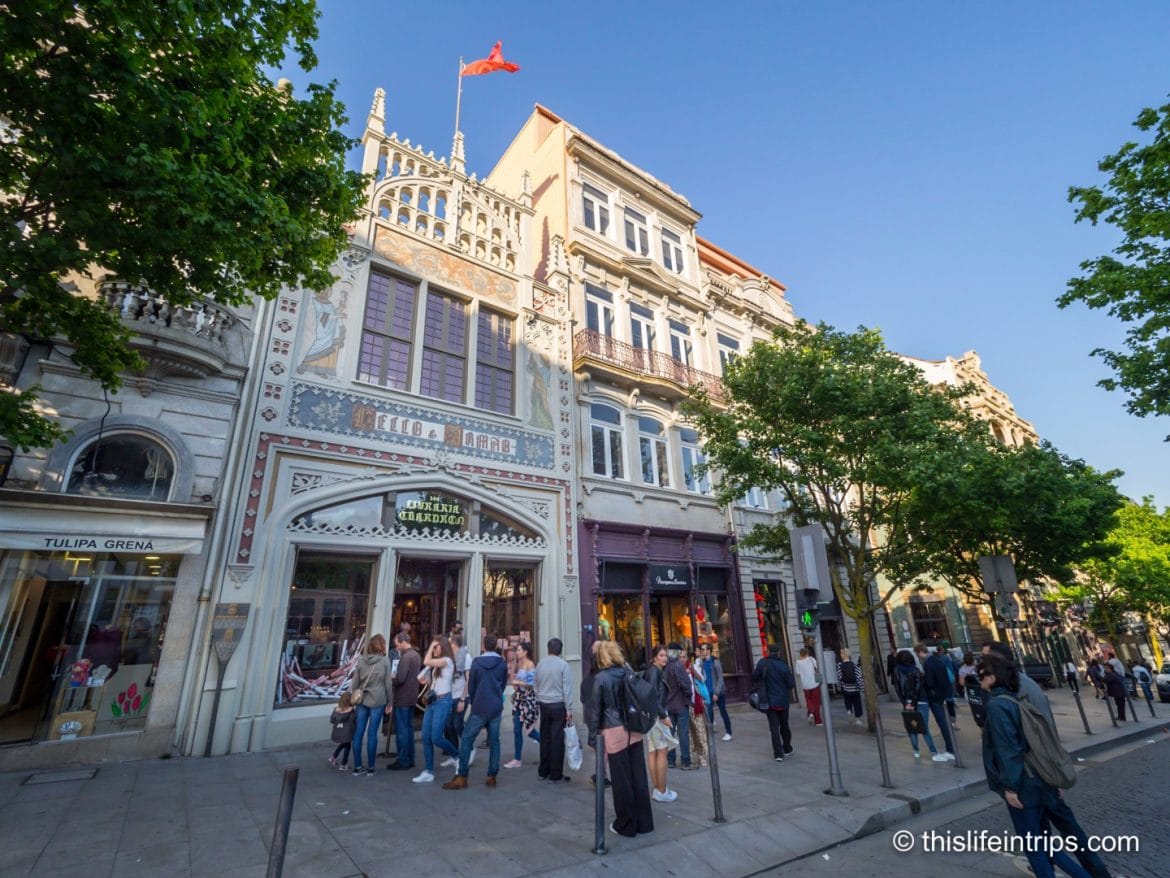


Due to its popularity, entry is ticketed, although the admission fee can be credited toward the purchase of a book.
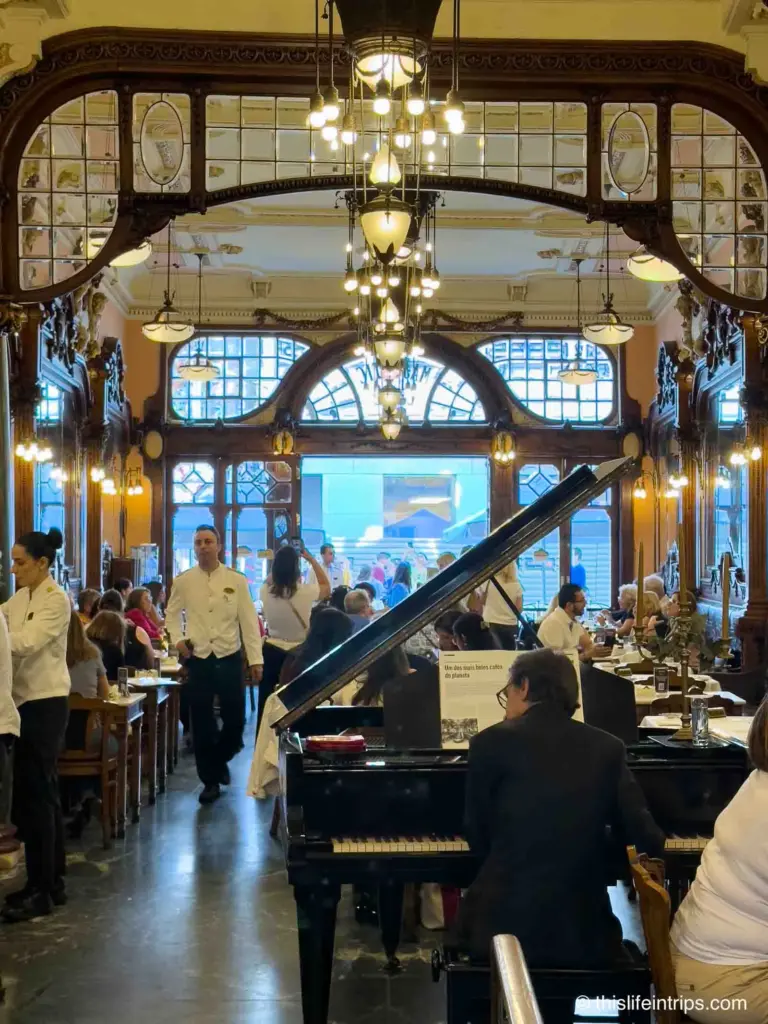
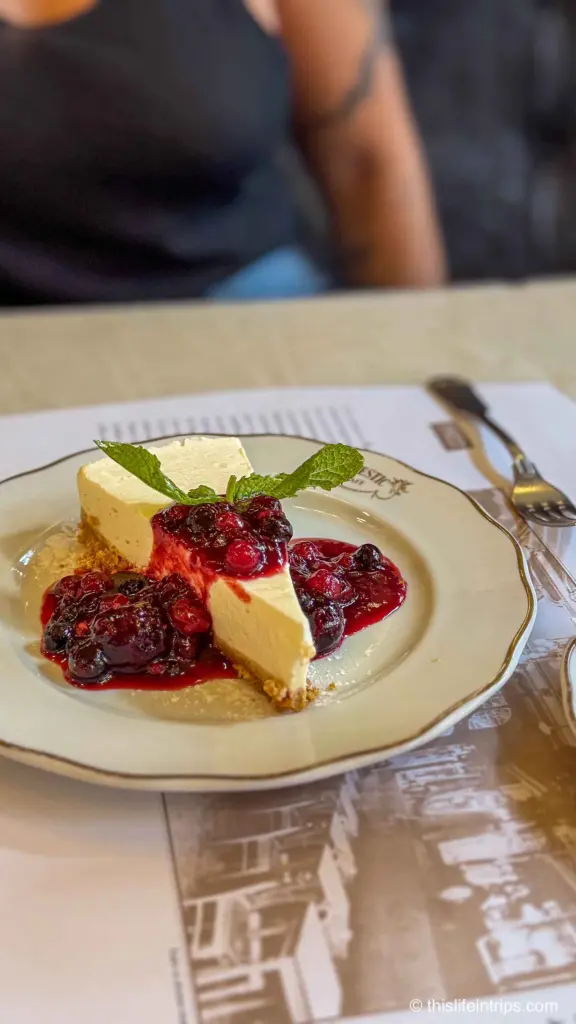
Harry Potter fans should also stop by the nearby Majestic Cafe, another location often associated with Rowling’s time in Porto.

Ride Porto’s Historic Tram
One of the most enjoyable ways to explore Porto is aboard one of its beautifully preserved historic trams.

Operating since the late 1800s, these charming wooden streetcars feel like rolling museums and offer a nostalgic journey through some of Porto’s most scenic neighbourhoods.
The most popular route follows the Douro River all the way to the Atlantic Ocean, making it an enjoyable alternative to walking.
Three Days in Porto Tip: If you’re fascinated by Porto’s tram network, consider visiting the Tram Museum to learn more about their history.
Tour Casa da Música
If your interests extend beyond Porto’s historic centre, make time for Casa da Música.
Designed by renowned Dutch architect Rem Koolhaas and opened in 2005, this striking concert hall has become one of Porto’s most recognizable modern landmarks. The angular building is unlike anything else in the city and offers guided tours that take visitors behind the scenes while exploring its innovative architecture, world-class acoustics, and role in Porto’s cultural life. The building was originally conceived as part of Porto’s year as the European Capital of Culture 2001, although construction wasn’t completed until 2005.

Even if you don’t have time to catch a concert, the guided tour is well worth it. I found it to be a refreshing change of pace after spending several days exploring Porto’s churches, viewpoints, and historic streets, offering a fascinating look at the city’s contemporary cultural side.
After your visit, walk a few minutes to Mercado Bom Sucesso, one of Porto’s best modern food markets. It’s the perfect place to grab lunch before continuing your day, and it’s where I discovered one of my favourite meals of the trip—a phenomenal roast suckling pig sandwich from O Forno do Leitão do Zé.
Sample Super Bock From the Source
Beer lovers shouldn’t miss a visit to Casa da Cerveja, the immersive Super Bock experience located in nearby Matosinhos.

As Portugal’s largest brewery, Super Bock has become an institution, and the recently opened visitor centre offers an excellent behind-the-scenes look at how the country’s favourite beer is produced.
The Casa da Cervejaa experience combines interactive exhibits, brewery history, guided tastings, and thoughtfully paired food, making it far more engaging than a standard brewery tour.

You can read my full Super Bock brewery review for a detailed look at the experience and whether it’s worth adding to your itinerary.
Dine and Sip in Porto
One of the biggest surprises from my first visit to Porto was just how good the food was.
Like many first-time visitors to Portugal, I arrived expecting to live almost exclusively on piri-piri chicken. While I certainly enjoyed my fair share, my return visit completely changed my perspective on Porto’s food scene.
This time I explored the city through its markets, joined a cooking class, sampled wines paired with local tapas, and sought out many of Porto’s signature dishes. It quickly became one of the culinary highlights of my trip through Europe.
From traditional taverns serving recipes passed down for generations to Michelin-starred restaurants pushing Portuguese cuisine in exciting new directions, Porto has something for every budget and appetite.

Visit Mercado do Bolhão
If there’s one food experience I’d tell every visitor not to miss, it’s Mercado do Bolhão.
Freshly restored after years of renovation, Porto’s historic market is packed with family-run stalls selling everything from fresh seafood and local cheeses to cured meats, spices, pastries, olive oils, and seasonal produce.
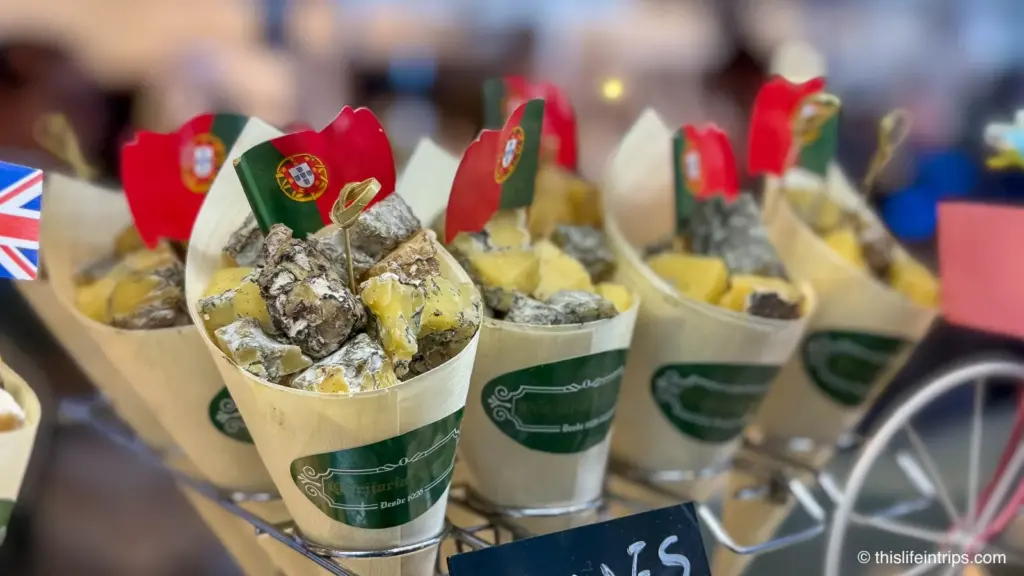

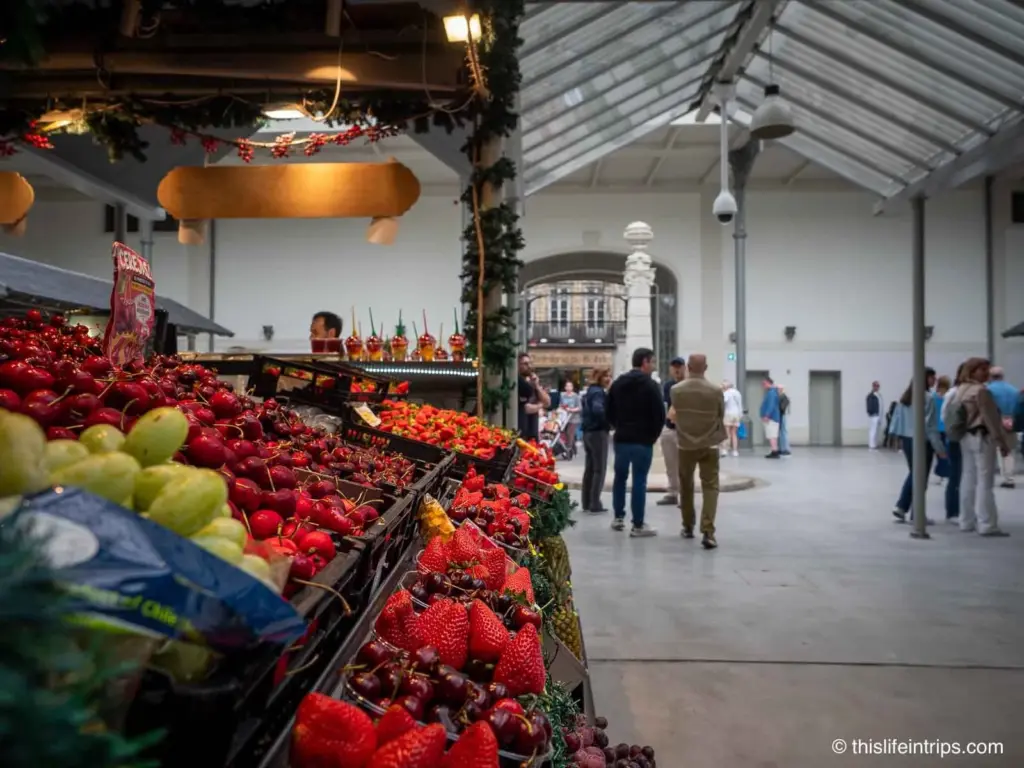
Rather than simply wandering through on your own, I highly recommend joining a guided market experience. During mine I met vendors whose families had been selling here for generations, sampled oysters, tested my sense of smell with a Portuguese spice challenge, tasted incredible olive oils, and even discovered locally made jams packaged in paint tubes.
The experience finished by shopping for fresh ingredients before preparing a traditional Portuguese meal.
If you’re interested, you can read my full guide to the Porto Cooking Class & Mercado do Bolhão experience.
Visit Time Out Market Porto
If Mercado do Bolhão showcases Porto’s culinary traditions, Time Out Market Porto celebrates the city’s modern food scene.
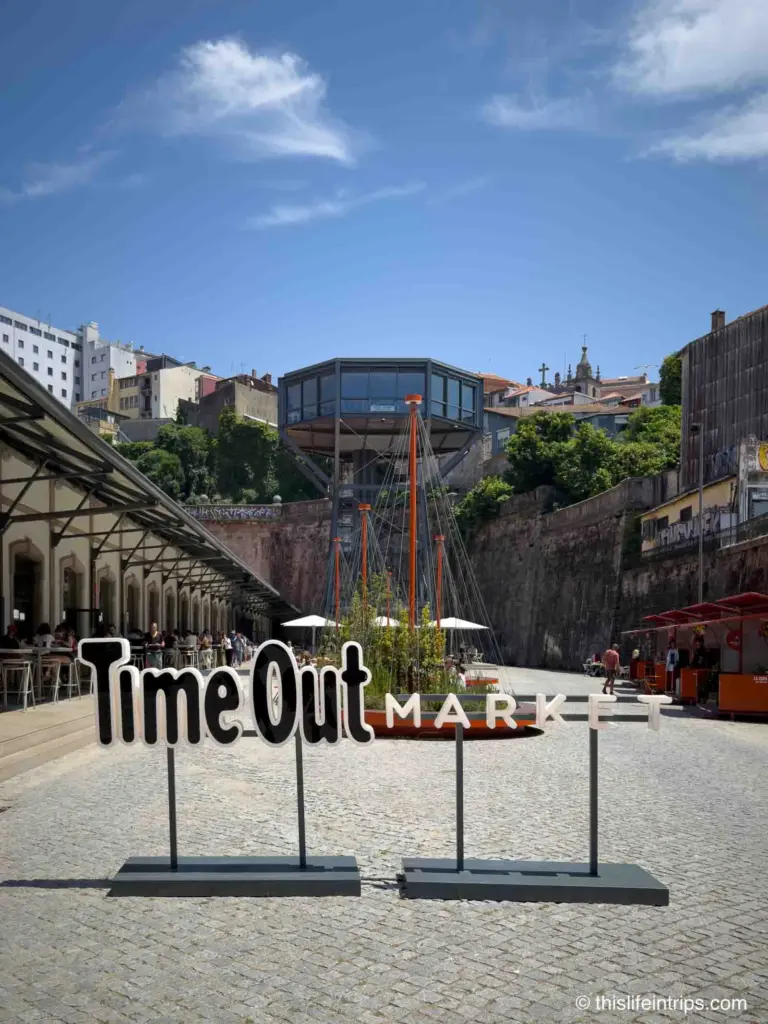
Located in the beautifully restored south wing of São Bento Railway Station, Time Out Market Porto brings together some of the city’s top chefs, restaurants, bars, and food producers under one roof. Since opening in 2024, it has quickly become one of Porto’s premier dining destinations, with everything from traditional Portuguese cuisine to contemporary tasting menus.
I stopped in during my latest visit and found it to be a great place to recharge after a morning of sightseeing. Whether you’re travelling with friends who all want something different or simply can’t decide what to eat, the market makes it easy to sample a variety of dishes without committing to a single restaurant.
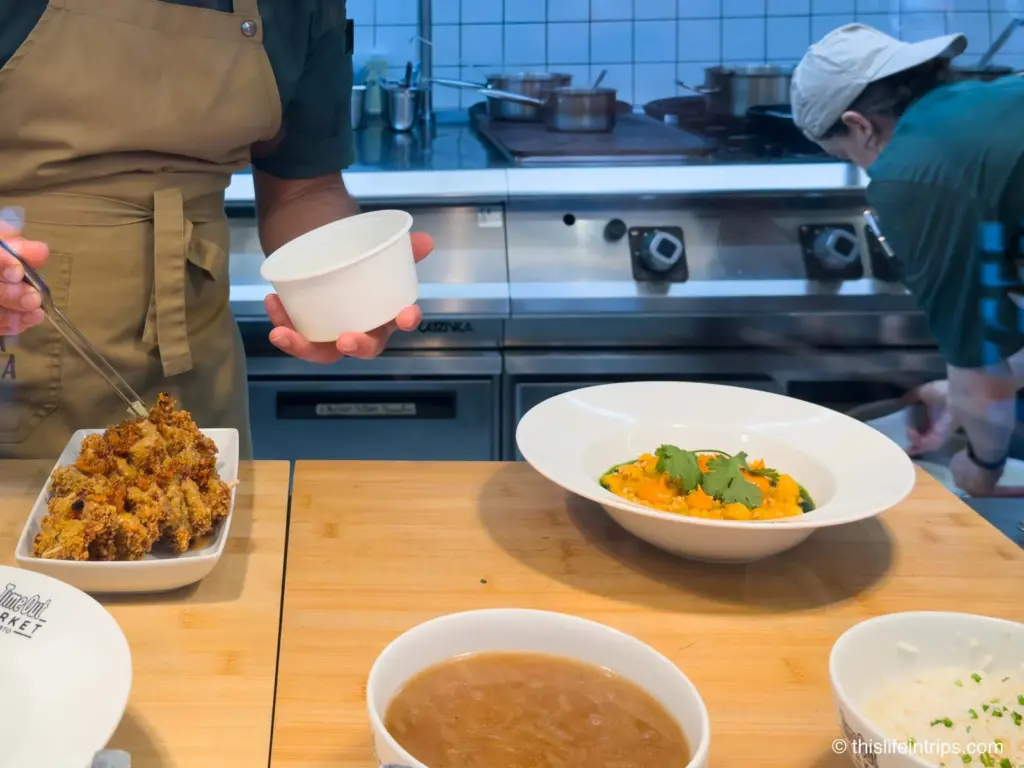
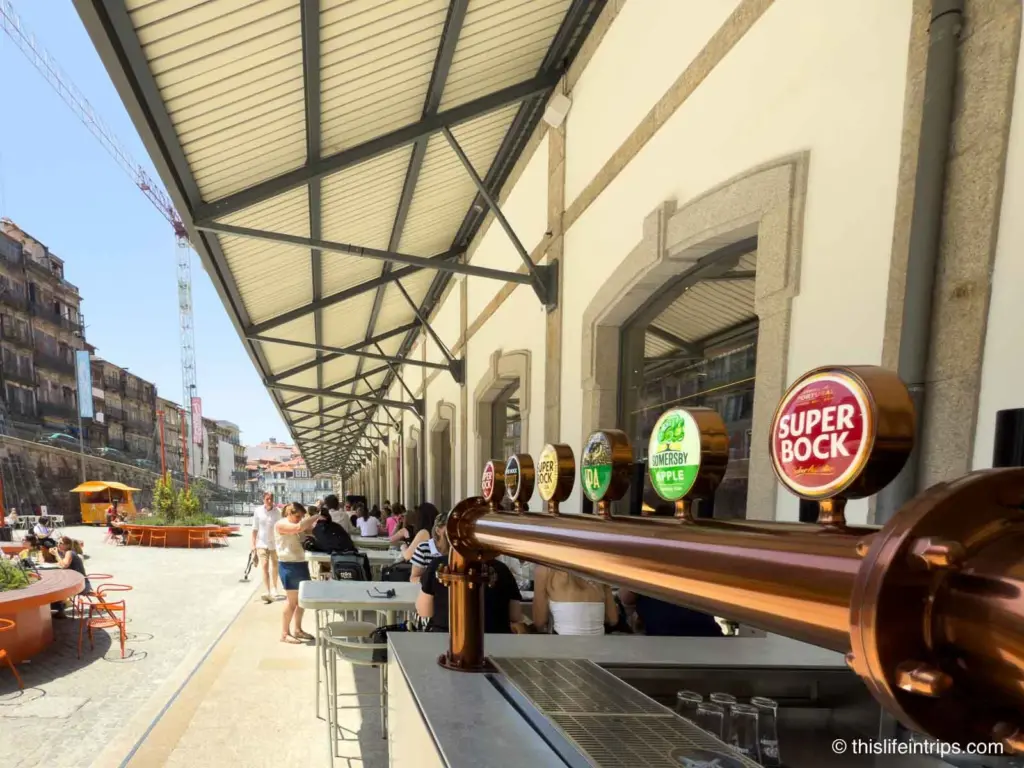
One feature I particularly liked was the elevated Tasting Room, which overlooks the market and showcases wines from the Douro Valley. It’s a great place to enjoy a glass of Portuguese wine while taking in the lively atmosphere below.
If you’re short on time in Porto, I wouldn’t choose it over the more traditional Mercado do Bolhão. But if you have a few extra hours—or you’re looking for a convenient lunch or dinner near São Bento Station—it’s well worth adding to your itinerary.
Visit Mercado Bom Sucesso for Lunch
While Mercado do Bolhão is Porto’s most famous market, don’t overlook Mercado Bom Sucesso.
Originally opened in 1952 and beautifully restored into a modern food hall, it’s packed with local vendors serving everything from fresh seafood and cheeses to Portuguese pastries, craft beer, and regional specialties. It’s a great place to escape the crowds, grab lunch, and sample a variety of Portuguese cuisine under one roof.
One of my favourite discoveries here was O Forno do Leitão do Zé, a local favourite specializing in leitão à Bairrada (Bairrada-style roast suckling pig). Despite now having several locations around Porto, the original concept began right here in Mercado Bom Sucesso in 2013, where it quickly developed a loyal following.

When I visited, people were already lining up before the doors opened—a pretty good sign I was in the right place.
The wait was absolutely worth it.
Their suckling pig sandwich (Sandes de Leitão) was one of the best lunches I had in Porto. Crispy skin, incredibly tender pork, a soft fresh bun, and just enough sauce to let the flavour of the roast pork shine. It was simple, authentic, and unforgettable.
If you’re looking to venture beyond the usual Francesinha recommendations, put this on your Porto food bucket list.
Take a Portuguese Cooking Class
One of the most memorable things I did in Porto wasn’t sightseeing at all—it was learning to cook Portuguese food.
Hosted at Canto de Luz, the class began with a guided visit through Mercado do Bolhão before returning to the hotel’s beautiful kitchen to prepare several traditional dishes using fresh local ingredients.
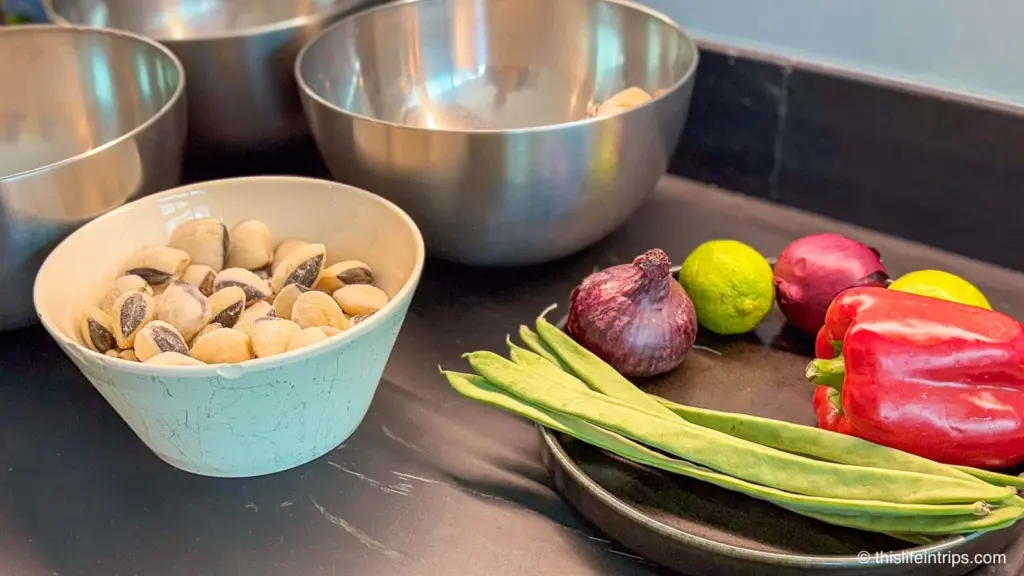


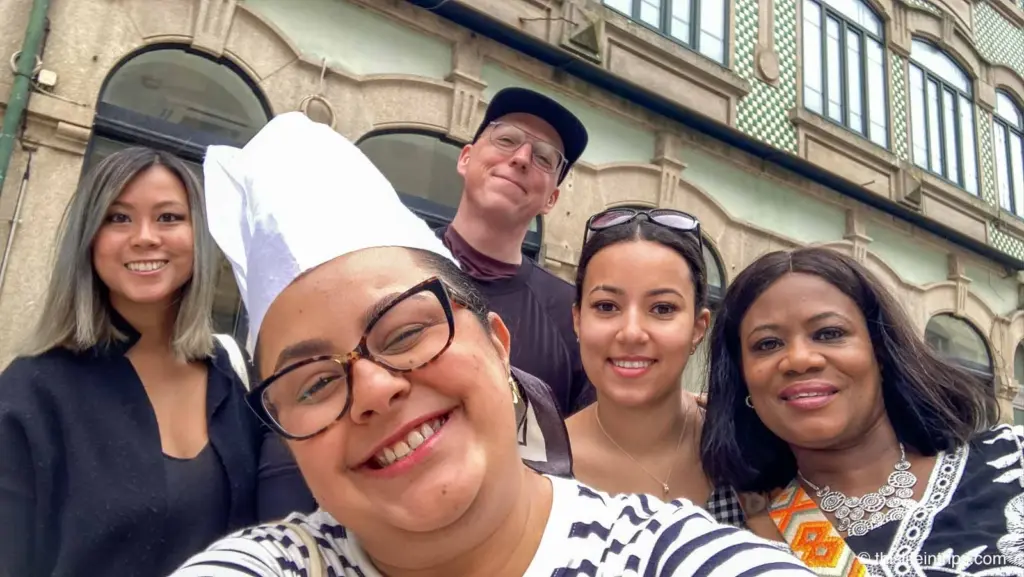
More than just a cooking lesson, it offered fascinating insight into Portuguese food culture and the stories behind many of the country’s most iconic recipes.
If you’re looking for a unique way to experience Porto beyond its landmarks, I can’t recommend it highly enough.
You can read my full Porto cooking class review.
Enjoy a Port Wine & Tapas Experience
Of course, no culinary visit to Porto would be complete without enjoying the city’s famous wines.

While visiting one of the historic Port lodges is practically mandatory, I also loved the intimate Port Wine & Tapas Experience at Canto de Luz. Each carefully selected Port and Portuguese wine was paired with regional tapas while our host explained the history behind the wines and how to appreciate their different styles.
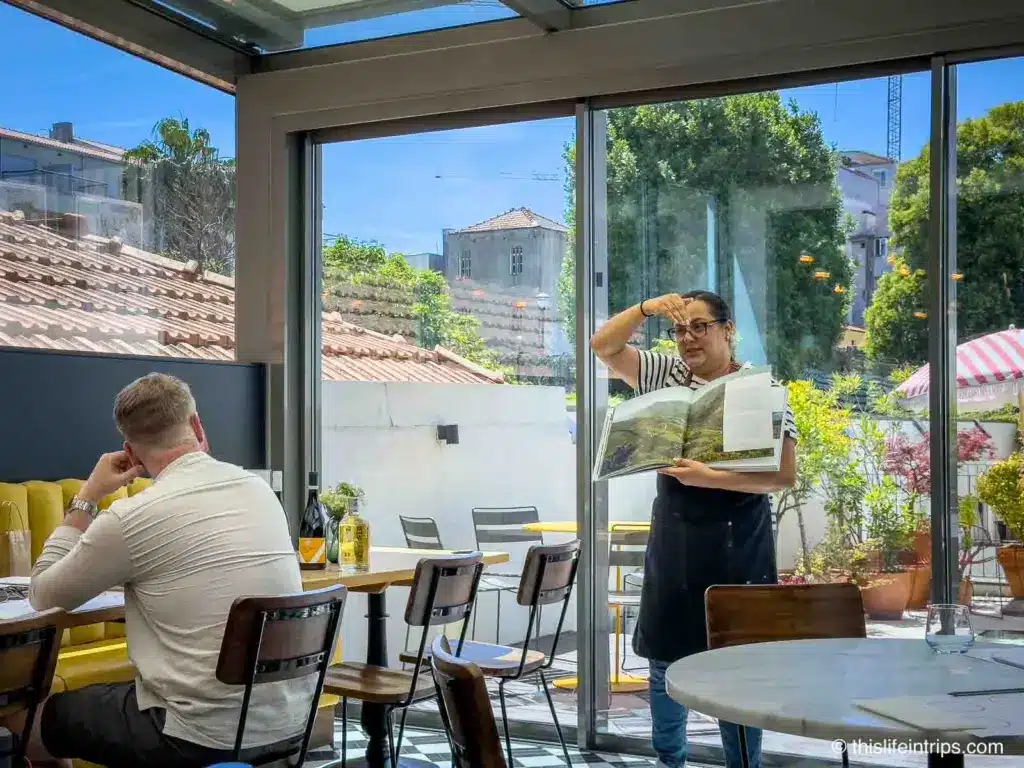

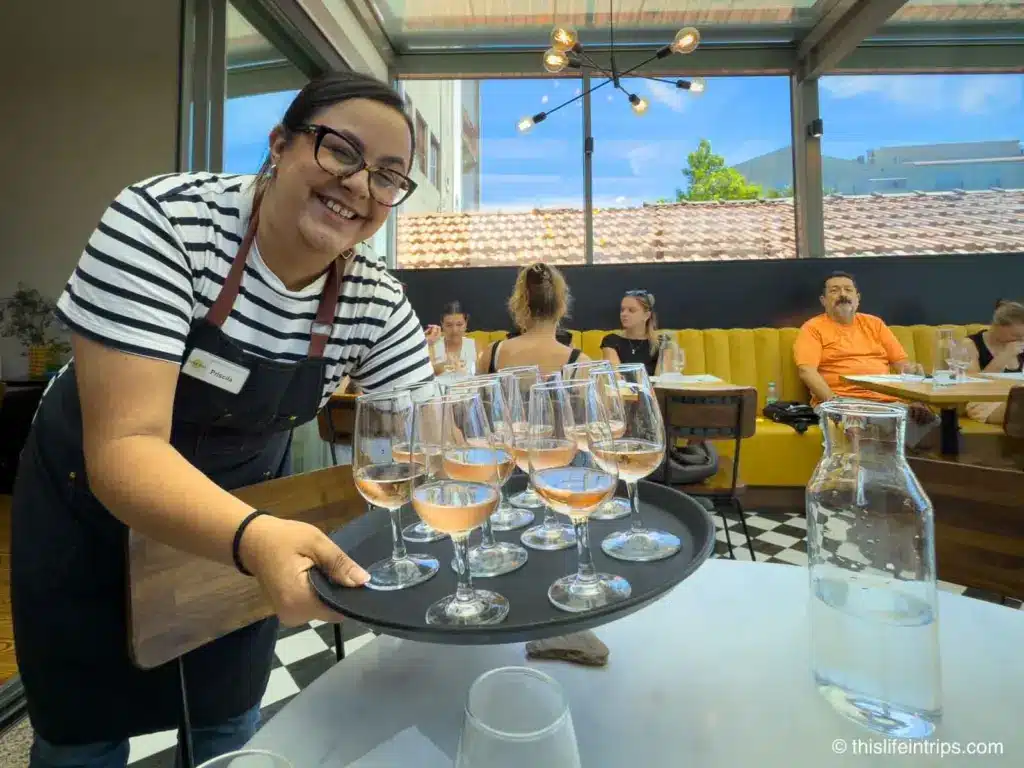

It was a relaxed, intimate evening that offered a different perspective from the larger commercial cellar tours.
Read my full Porto Wine & Tapas Experience review.
Drink Super Bock
By now you’ve probably already enjoyed a few glasses of Super Bock at a riverside terrace or neighbourhood café. It’s Portugal’s best-known beer, and for good reason.
What many visitors don’t realize is that Super Bock also produces an excellent range of craft beers.
One of my favourite places to sample them is Mercado Beira-Rio in Vila Nova de Gaia, where several vendors serve different styles alongside excellent local food.
If beer is more your thing than wine, consider visiting the brewery itself. The interactive visitor experience at Casa da Cerveja includes a brewery tour, tastings, and food pairings that make for a surprisingly enjoyable afternoon.

Drink (More) Port

When a wine style is named after the city, you know you’re in the right place.
Whether you’re enjoying a tasting in Gaia, sipping a Port tonic on a sunny terrace, or finishing dinner with a tawny Port, this fortified wine is woven into Porto’s identity.
Most cellar tours introduce visitors to the four main styles:
- White Port
- Rosé Port
- Ruby Port
- Tawny Port
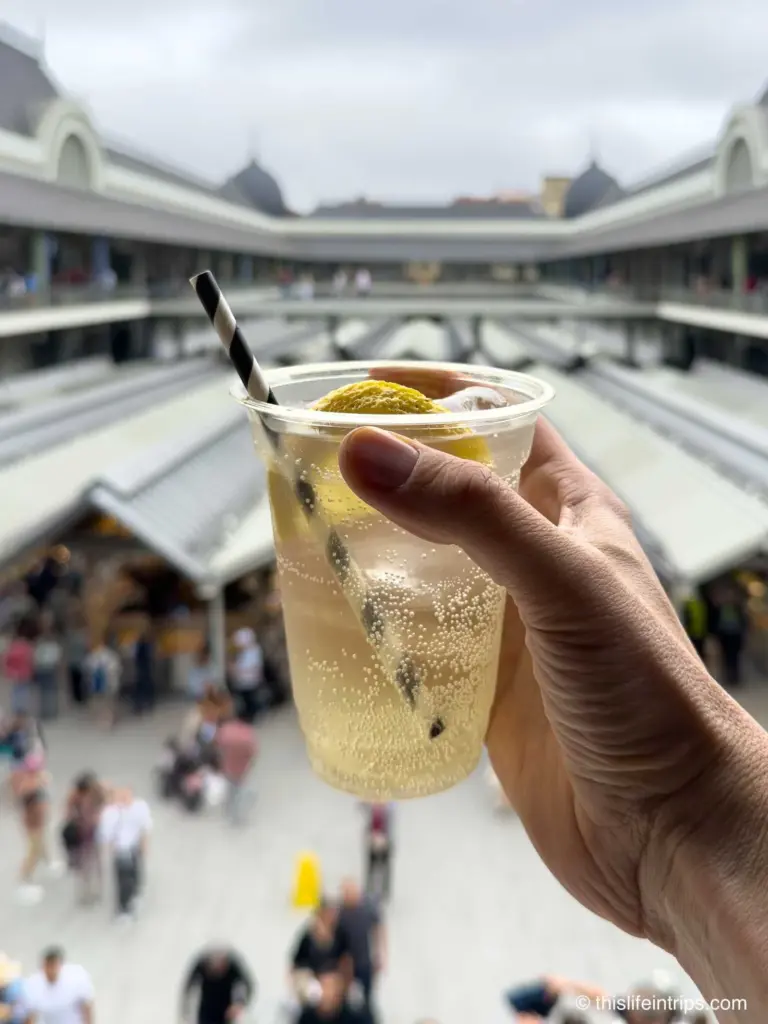
Try each on its own before branching out into some of the creative cocktails you’ll find throughout the city. My favourite discovery was the refreshing Porto Tónico—white Port mixed with tonic water, citrus, and ice—which quickly became my go-to summer drink in Porto.
Try a Porto Tónico
One of my favourite discoveries during my return trip to Porto wasn’t a landmark, it was a drink.
The Porto Tónico (or Port Tonic) is Portugal’s refreshing answer to a gin and tonic. Instead of gin, it combines White Port, tonic water, plenty of ice, and a slice of lemon or orange, often finished with a sprig of fresh mint or rosemary.
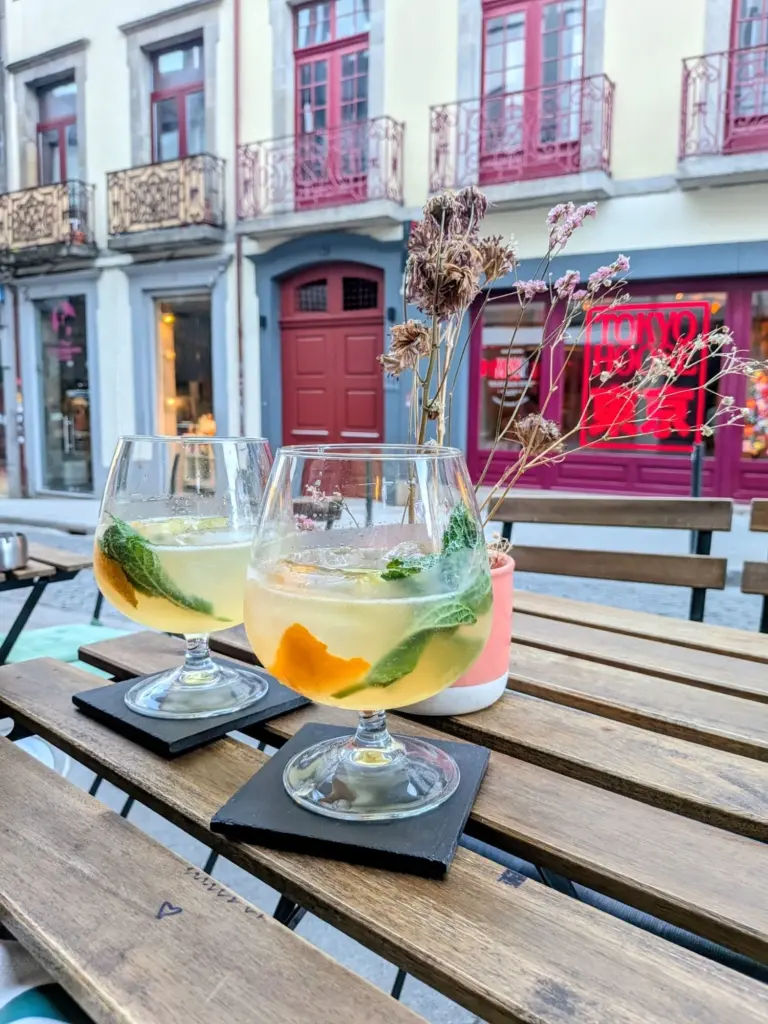
You’ll find it served at rooftop bars, riverside cafés, beach clubs, and wine lodges throughout Porto, especially during the warmer months. Light, crisp, and slightly sweet, it’s the perfect drink after a day of sightseeing.
After trying one during my first evening in Porto, it quickly became my go-to happy hour drink for the rest of the trip.
Porto Tónico Recipe
If you’d like to recreate one at home, here’s the classic Porto Tónico recipe:
Ingredients
- 2 oz (60 ml) White Port
- 4 oz (120 ml) premium tonic water
- Ice
- Slice of lemon or orange
- Fresh mint or rosemary (optional)
Instructions
- Fill a large wine glass with ice.
- Pour in the White Port.
- Top with tonic water.
- Stir gently.
- Garnish with a citrus slice and fresh herbs.
Like many classic cocktails, you’ll find slight variations throughout Porto. Some bartenders prefer a 1:1 ratio of Port to tonic, while others add a splash of soda water or use pink peppercorns, grapefruit, or rosemary for extra aromatics.
If you only order one local drink during your visit, make it a Porto Tónico. It’s refreshing, uniquely Portuguese, and a delicious introduction to the city’s world-famous Port wine.
You can find my full recipe, along with my picks on where to try a Porto Tónico in Porto, here.
What to Eat in Porto: Must-Try Local Dishes
Porto’s cuisine is hearty, comforting, and unapologetically indulgent. These are the dishes I think every visitor should try. Here are my picks on what to eat and where to eat in Porto.
Francesinha
Francesinha
No visit to Porto is complete without trying the city’s most famous dish: the Francesinha.
This legendary sandwich consists of layers of cured meats, fresh sausage, steak, and melted cheese, all smothered in a rich, beer-based tomato sauce. It’s often served with a mountain of fries to soak up the extra sauce and, if you’re feeling particularly hungry, topped with a fried egg. It’s gloriously over-the-top and absolutely worth trying at least once.

On my first visit to Porto, I joined the crowds at Café Santiago, one of the city’s most famous places to order a Francesinha. It was an excellent introduction to Porto’s signature dish and easy to see why it has earned such a loyal following over the years.
When I returned to Porto, I decided to compare it with Brasão Aliados, another restaurant frequently mentioned in discussions about the city’s best Francesinha.
For me, Brasão Aliados edged out Café Santiago.
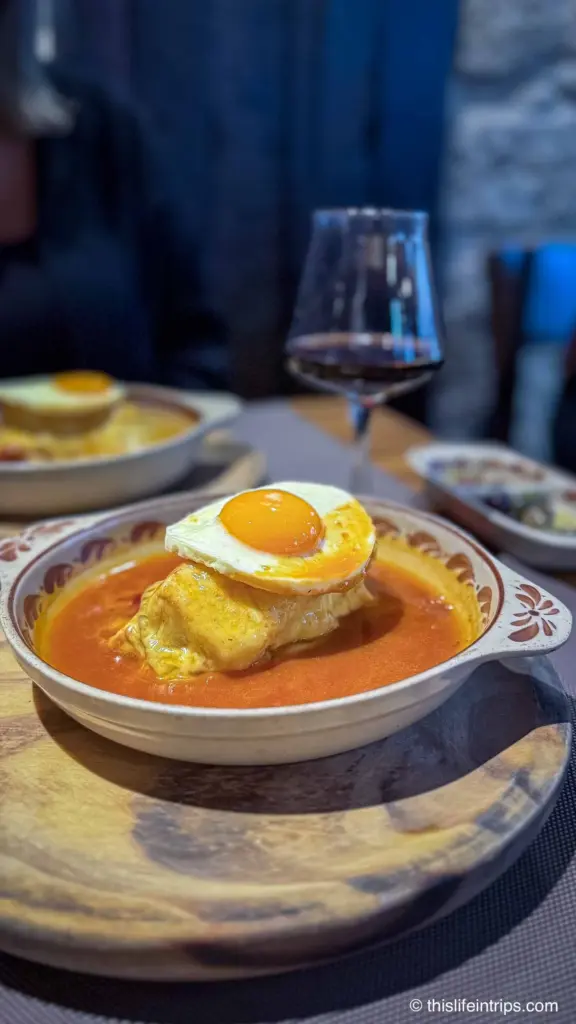
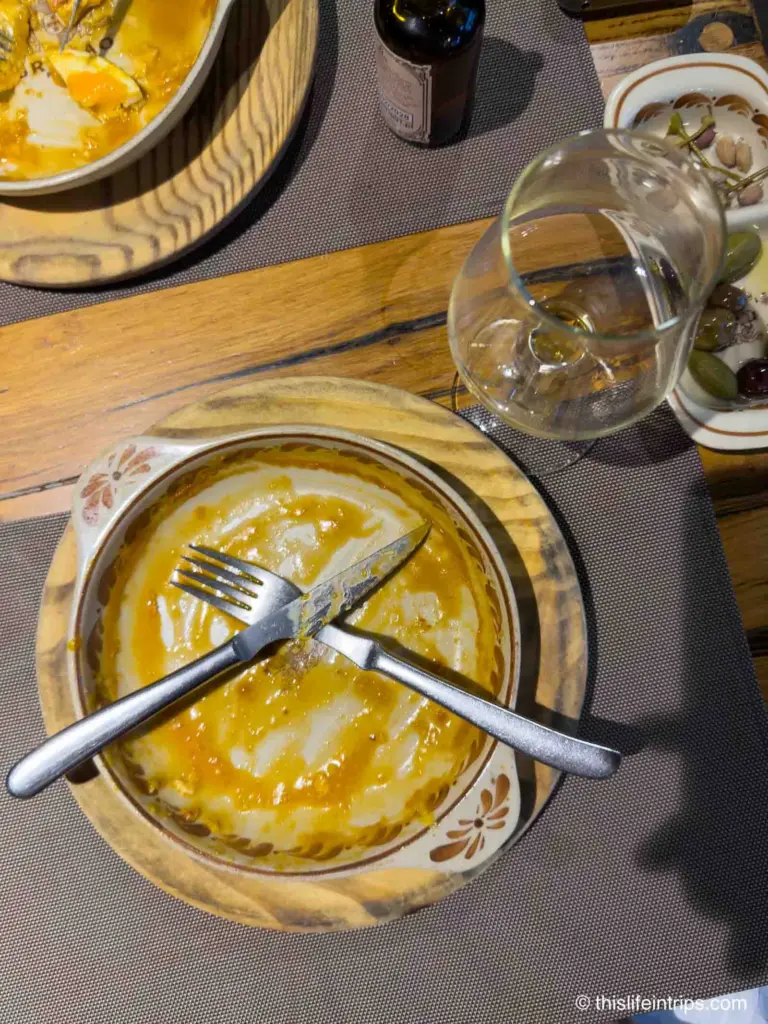
The sandwich struck the perfect balance between indulgent and flavourful. The meat was excellent, the cheese perfectly melted, and the signature sauce had just the right amount of richness without being overpowering. Paired with a cold Super Bock, it was one of my favourite meals from my return trip.
That said, you really can’t go wrong with either restaurant. Café Santiago is a Porto institution for good reason, while Brasão Aliados offers a slightly more refined take on the classic. If I were recommending just one today, I’d send you to Brasão Aliados—but whichever you choose, make sure you arrive hungry. A Francesinha is every bit as filling as its reputation suggests.
Read what other travelers have to say about Francesinha at TripAdvisor
Tripas à Moda do Porto
Speaking of dishes named after the city, Tripas à Moda do Porto is perhaps Porto’s most historic meal.
This hearty stew combines tripe (beef stomach), white beans, smoked sausage, pork, and vegetables into a rich, comforting dish that has become a symbol of the city’s identity.
According to local legend, when Prince Henry the Navigator was preparing his fleet for the conquest of Ceuta in 1415, the people of Porto generously donated the best cuts of their meat to the expedition. Left with only the offal, they created a satisfying stew from the remaining ingredients. Whether entirely true or not, the story earned Porto residents the nickname “Tripeiros”, a name they still wear with pride today.
While the ingredient list might sound intimidating, don’t let it put you off. The slow-cooked beans, smoky chouriço, and tender meats create a surprisingly rich and flavourful dish that’s far more approachable than many visitors expect.
If you’d like to try an authentic version, Restaurante Abadia do Porto has been serving traditional Porto cuisine for more than 80 years and is widely regarded as one of the city’s best places to experience this local classic.
Cachorrinho
Porto’s cachorrinho is closer to a spicy, crispy sandwich than a typical hot dog. A thin sausage and melted cheese are tucked inside a narrow roll, pressed until crunchy, brushed with a spicy sauce, and sliced into bite-sized pieces.
Most visitors head to Cervejaria Gazela, the Porto institution credited with creating the original cachorrinho. It’s an excellent choice and well worth trying, although the queues can be long during busy periods.
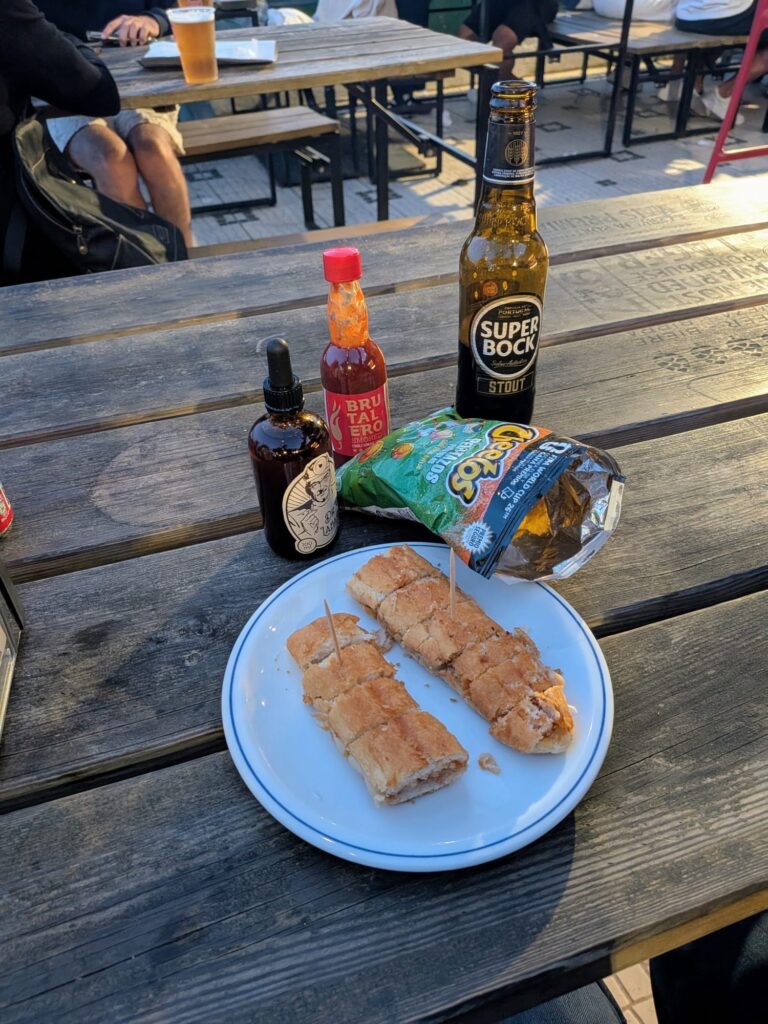
My favourite, however, came from an unexpected place: Guindalense Futebol Clube. This unassuming neighbourhood sports bar is perched above the Dom Luís I Bridge and serves a cachorrinho that I thought was every bit as good—if not better—than Gazela’s.
The real bonus is the setting. Grab a cachorrinho and a cold Super Bock, then head out to the terrace overlooking the Douro River. As the sun sets behind Porto’s colourful skyline and the Dom Luís I Bridge lights up, you’ll quickly understand why this became one of my favourite spots in the city.
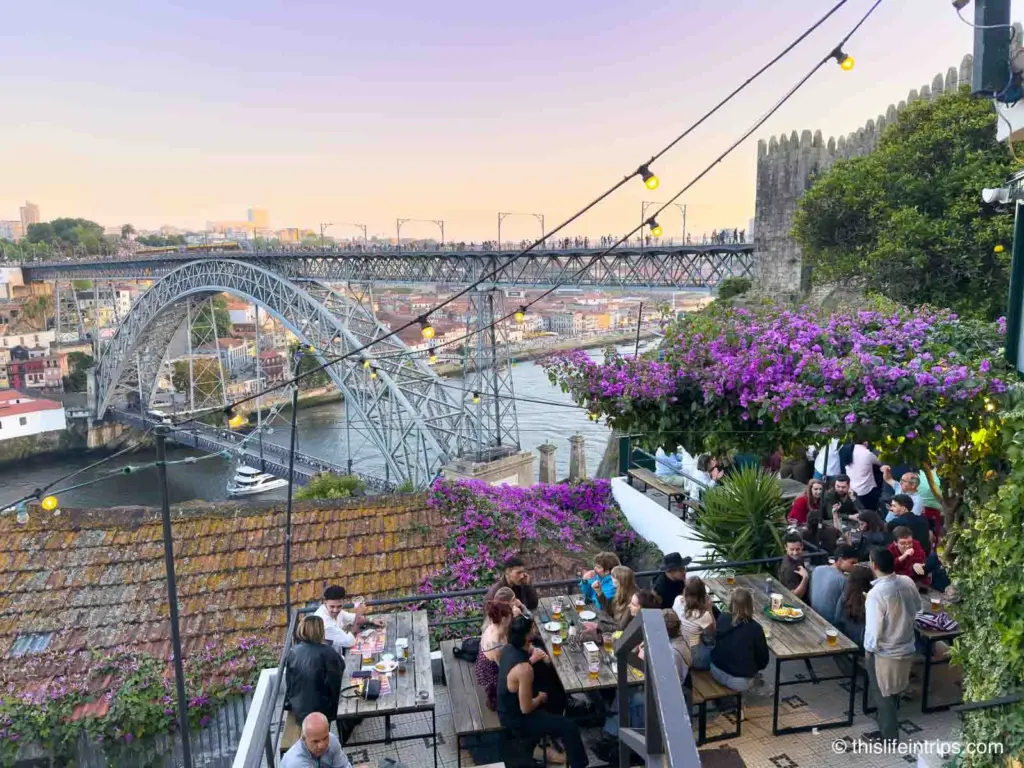
If you’re only in Porto for a few days and want one insider tip, this is mine. Skip the crowds, enjoy an outstanding cachorrinho, and watch the sunset from Guindalense. It ended up being one of the most memorable meals of my trip.
Prego
For something a little less intimidating than a Francesinha, order a Prego.
This classic Portuguese steak sandwich is typically served on crusty bread with garlic butter and mustard, making it an excellent lunch while exploring the city.
Bifana
Another Portuguese favourite is the Bifana.

Made with thinly sliced marinated pork served in a fresh bread roll, it’s one of the country’s best-value meals and can be found everywhere from neighbourhood cafés to bustling markets.
Tripas à Moda do Porto
Porto’s signature dish has one of Portugal’s most fascinating origin stories.
Legend has it that in 1415, as Prince Henry the Navigator prepared his fleet for the conquest of Ceuta, the people of Porto donated their finest cuts of meat to support the expedition, leaving themselves only the tripe and other less desirable cuts. Rather than let anything go to waste, they transformed the leftovers into what would become Tripas à Moda do Porto, earning locals the nickname Tripeiros—a title they still proudly embrace today.
The slow-cooked stew combines tripe, white beans, chouriço, and other meats into a surprisingly rich and comforting dish that’s far tastier than its ingredient list might suggest. It may not be everyone’s first choice, but if you’re looking to experience one of Porto’s most authentic culinary traditions, it’s well worth stepping outside your comfort zone.
One of the best places to try it is Abadia do Porto. Serving traditional Porto cuisine for more than 80 years, it’s renowned for its excellent Tripas à Moda do Porto and is an ideal place to experience this historic local specialty.
Caldo Verde
One of Portugal’s great comfort foods, Caldo Verde is a simple soup made from potatoes, kale, olive oil, and slices of chouriço.

I found it particularly satisfying on cooler evenings while dining beside the Douro River.
Bacalhau com Natas
Portugal’s love affair with cod is legendary, and Bacalhau com Natas is one of the country’s best-known dishes.

Unlike the cod fritters many visitors expect, Bacalhau com Natas is a creamy baked casserole of shredded salt cod, potatoes, onions, and cream, topped with cheese until golden brown. Head to Casa Portuguesa do Pastel de Bacalhau for this unique treat.
It’s rich, comforting, and one of my favourite ways to enjoy Portugal’s famous bacalhau.
Pastéis de Bacalhau
While you’re exploring the city, don’t miss Pastéis de Bacalhau (also called Pastéis de Bacalhau or cod fritters).
These crispy fried codfish cakes make a perfect snack between attractions. One of the most popular places to try them is Casa Portuguesa do Pastel de Bacalhau near Clérigos Tower.
Pastel de Nata
No visit to Portugal is complete without at least one Pastel de Nata—although you’ll probably end up eating several.
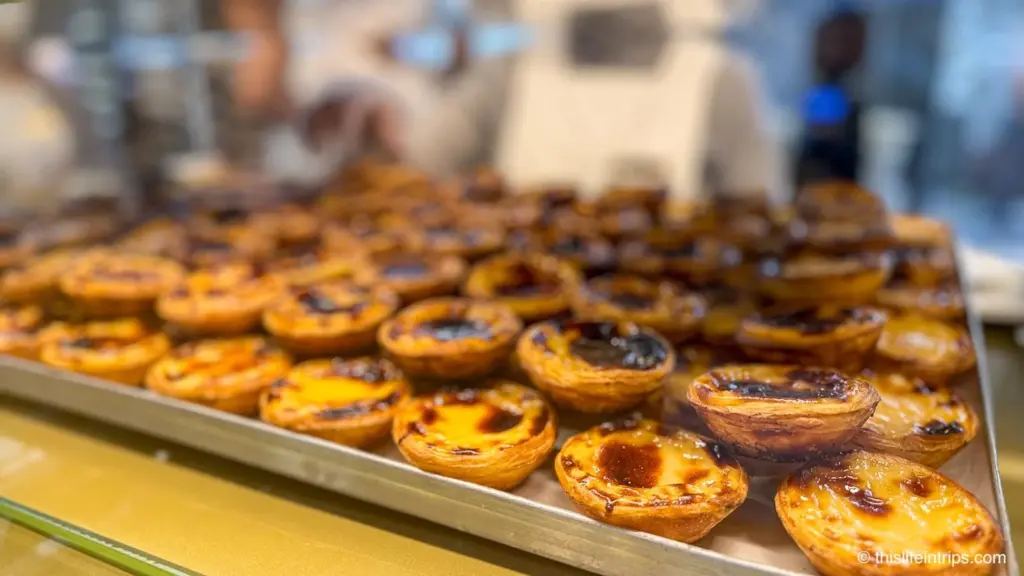
These flaky custard tarts can be found in bakeries across Porto and are best enjoyed warm with a coffee. While the classic version remains my favourite, some bakeries have created regional twists using Port wine or other local ingredients.

I’ll also have a dedicated guide to Porto’s famous sandwiches coming soon, comparing the Francesinha, Bifana, Prego, and Cachorrinho to help you decide which to try first.
Where to Stay in Porto?
When deciding where to stay in Porto, consider factors such as location, amenities, and budget. Whether you prefer a centrally located boutique hotel or the space and flexibility of an apartment, Porto has accommodations to suit every style of traveller.
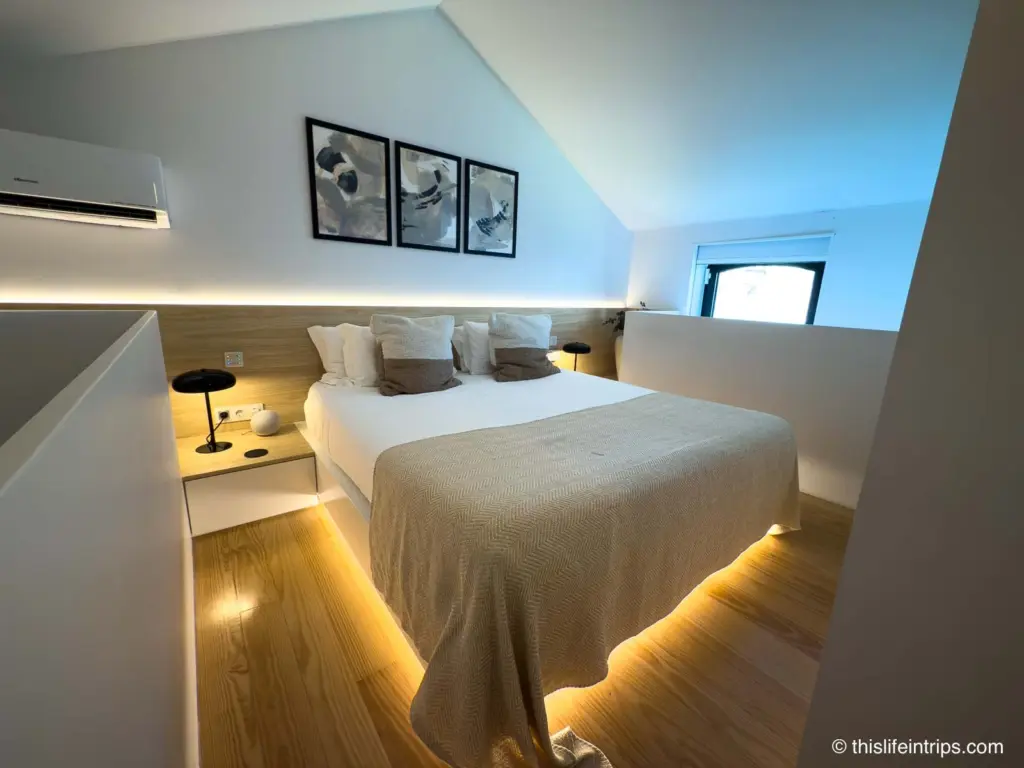
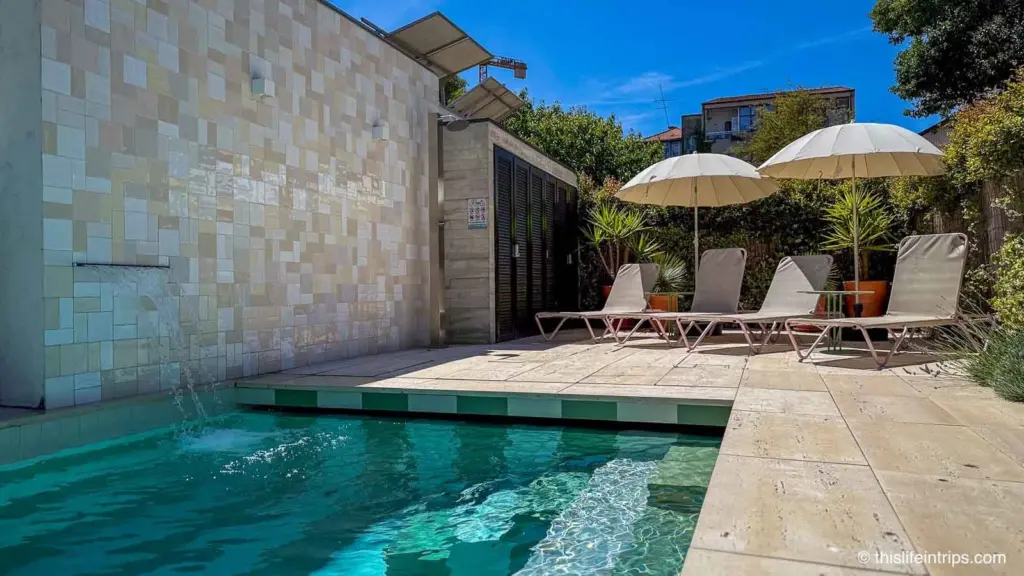
On my most recent visit, I stayed at Canto de Luz, and it quickly became one of my favourite boutique hotels in Europe. Hidden away on a quiet street just minutes from Porto’s top attractions, it offers beautifully designed suites, exceptional breakfasts, peaceful gardens, a small pool, and genuinely warm hospitality. It strikes the perfect balance between luxury and feeling like a home away from home. If you’re looking for a memorable place to stay in Porto, I can’t recommend it enough.

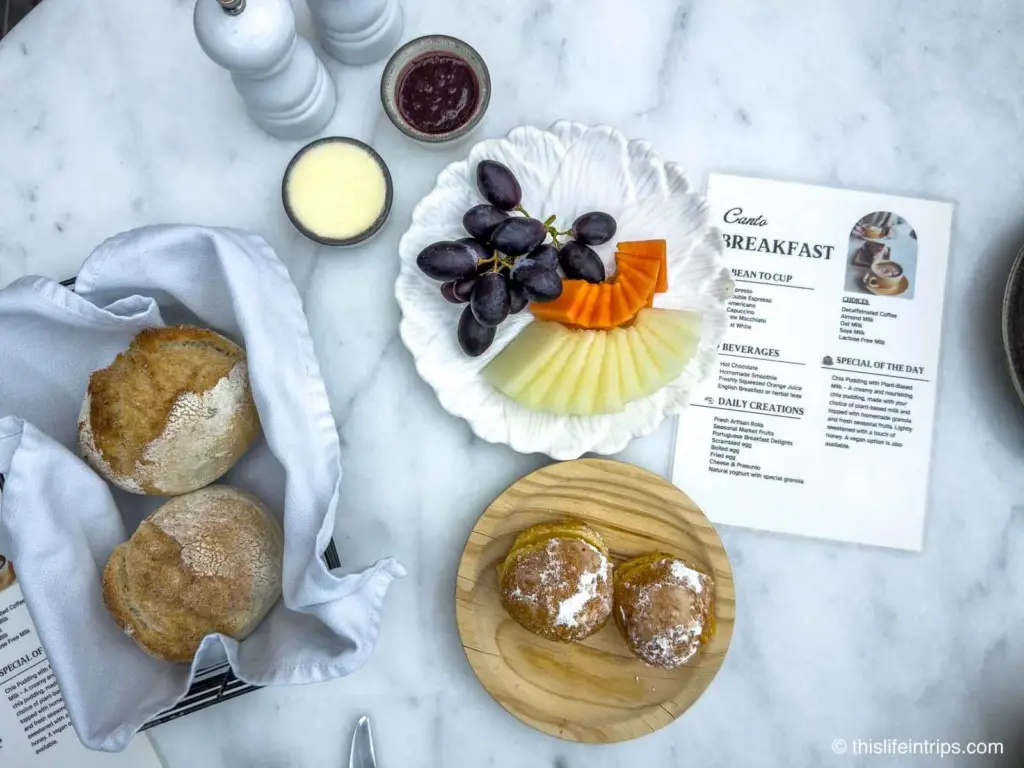

You can read my full Canto de Luz Porto review or book your stay here.
On a previous trip, I stayed at 7g Roaster Apartments and absolutely loved it.

As the name suggests, the apartments sit above a specialty coffee roaster and hip café, making it easy to start each morning with an excellent cup of coffee. Located on the quieter Gaia side of the Douro River, they offer easy access to Porto while providing some of the city’s best skyline views. The extra space and apartment amenities also make them an excellent choice for longer stays.
Get and eSIM Before you Visit Porto!
Getting an eSIM before traveling to Porto ensures you stay connected from the moment you arrive. With an eSIM like Holafly, there’s no need to hunt for local SIM cards or worry about costly roaming fees. Activate your plan instantly and enjoy seamless navigation through Porto’s charming streets, easy access to booking sites, and uninterrupted sharing of your adventures. It’s the perfect solution for stress-free travel in Portugal. For more details, check out my Holafly eSIM review.
Order a Holafly eSIM Before You Go: Use PROMO Code THISLIFEINTRIPS to get 5% off your eSIM!
Three Days in Porto or Three Months?
So, is Porto worth visiting?
Absolutely.
After two trips to Porto, I can confidently say it’s one of my favourite cities in Europe. It’s large enough to keep you busy for days, yet compact enough that you never feel rushed getting from one neighbourhood to the next.
This itinerary proves you can experience many of Porto’s highlights in three days. While Porto earned the title of European Best Destination of 2017, the city has only become more appealing since then thanks to thoughtful restoration projects, a thriving culinary scene, and an ever-growing collection of unique experiences. You can stroll the colourful streets of Ribeira, tour historic Port wine cellars, cruise the Douro River, wander through centuries-old churches, sample incredible food, and still find time to simply sit at a riverside café with a glass of wine and watch the world go by.
If you’re looking to make the most of your visit, I highly recommend adding a Portuguese cooking class, a Port Wine & Tapas Experience, or browsing these top Porto tours for even more memorable experiences.
That said, every time I leave Porto, I find myself wishing I had stayed longer.
On my return visit, I discovered that some of the city’s greatest experiences weren’t landmarks at all. Shopping alongside locals at Mercado do Bolhão, learning to cook traditional Portuguese dishes, sharing wine and tapas late into the evening, and finding quiet viewpoints away from the crowds reminded me that Porto rewards those who slow down.
I also found Canto de Luz to be one of the best places to stay in Porto. Its central location made it easy to explore the city on foot while offering unique experiences that went well beyond simply having a place to sleep.
Whether you’re planning a quick city break or using Porto as a base to explore the Douro Valley and northern Portugal, it’s a destination that effortlessly balances history, culture, food, wine, and spectacular scenery.
Three days is enough to fall in love with Porto.
Three months? I still don’t think it would be enough.

What say you?
Thoughts on this Three Days in Porto itinerary?
Let’s hear it!
Looking for more Portugal?
Like me? Pin me!

— Northern Portugal Tourism on Facebook —
— Northern Portugal Tourism on Twitter —

My 3 days in Porto was made possible in part by Northern Portugal Tourism.
As always, the experience, opinions, and new discoveries are my own.





Thank you for pic help.
Beautiful photos!